
Termite identification guides
Termite Identification Guides: Signs, Damage, and Lookalikes
Use these guides to sort visible termite evidence before you choose a treatment. Start with what you can see: mud tubes, frass, wings, swarmers, damaged wood, moisture clues, and common lookalikes.
Short Answer
Do not start with a product if you are not sure what you found. Termite identification begins with visible evidence: where it appears, whether it is active, whether it is inside or outside, and whether the sign points to subterranean, drywood, dampwood, or a lookalike insect. If you see indoor swarmers, active mud tubes on the structure, recurring frass, or possible structural damage, treat that as an inspection problem before treating it as a DIY product decision.
This page is the hub for TermitePlan identification and inspection guides. If you already know it is termites and want to compare next steps, use the termite treatment decision guide. If you are comparing treatment categories or products, use termite treatment types compared or our termite product guides.
1. Match the sign
Start with the visible clue: tubes, pellets, wings, damage, moisture, or insects.
2. Check the context
Indoor evidence, active structural signs, and hidden areas deserve more caution.
3. Decide the next step
Observe, document, inspect further, compare treatment, or call a professional.
What Did You Find? Start With a Photo
Compare the visible clue with these real examples. A photo helps you choose a guide; it cannot confirm whether termites are active in your home. Click any photo to see the full image.
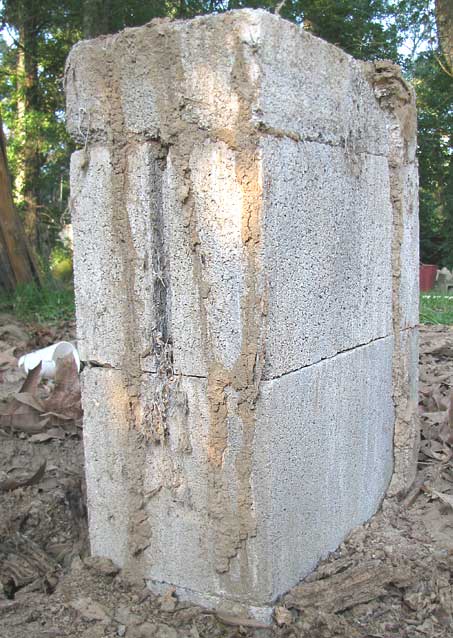
Mud tubes
Raised earth-colored paths can be termite shelter tubes. A photo cannot tell you when the tube was used.
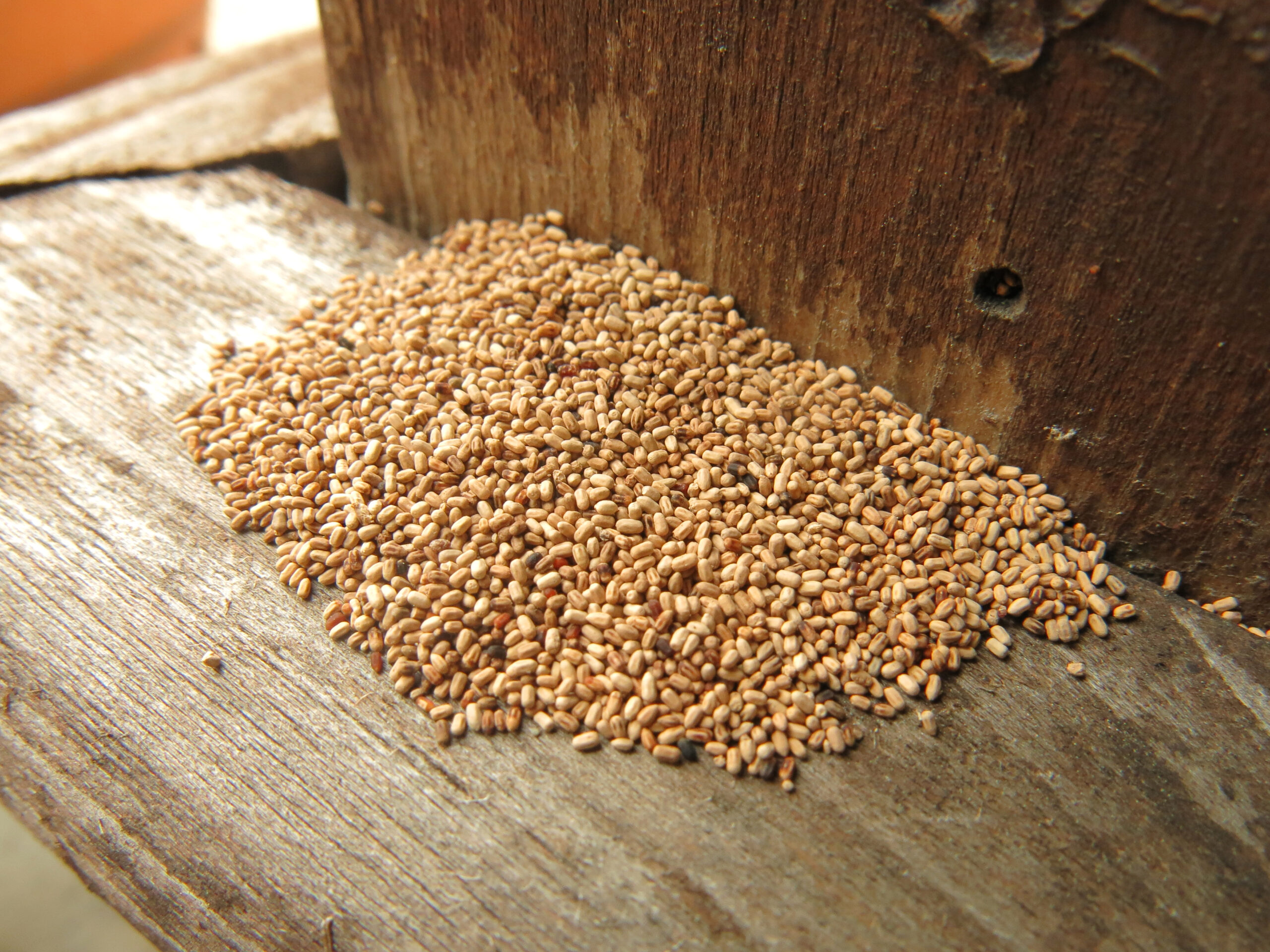
Frass or pellets
These are documented drywood termite pellets. Other debris can resemble frass, so compare shape and where it appeared.
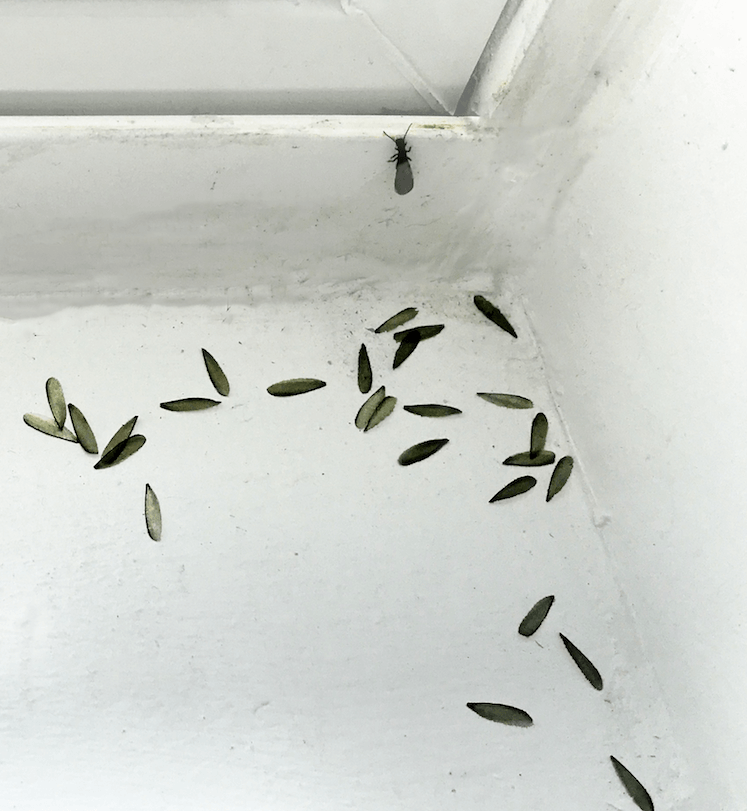
Swarmers or shed wings
Indoor winged insects or discarded wings deserve identification. Flying ants can be mistaken for termite swarmers, and dark swarmers that have shed their wings are often called black termites.
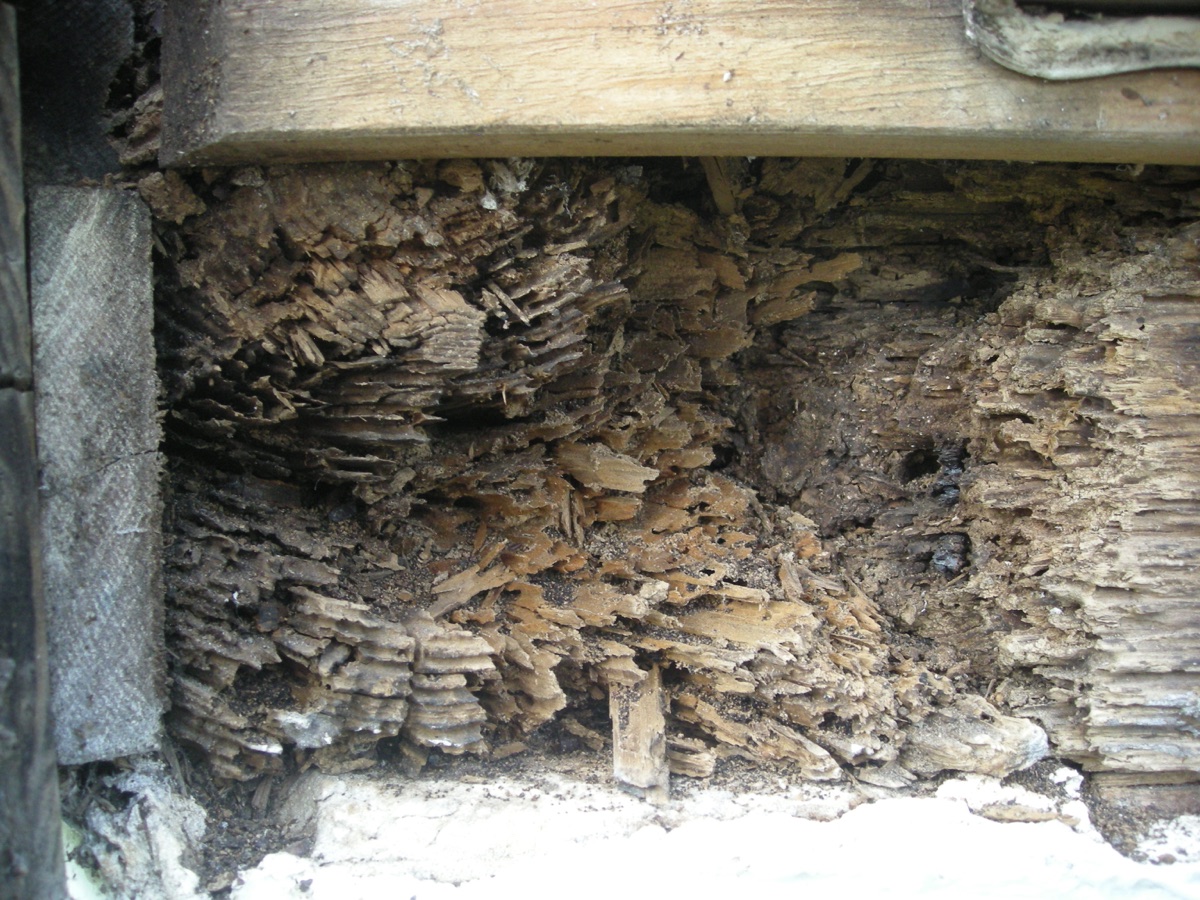
Damaged wood
This is documented termite damage in a historic structure. Similar-looking wood at home needs an on-site assessment.
Start With What You Found
Scroll the table sideways to see all columns.
| What you found | What it may mean | Use caution when | Start here |
|---|---|---|---|
| Mud tubes | Possible subterranean termite travel tubes, especially on foundations, piers, slab edges, or framing. | The tube looks fresh, repaired, moist, or connected to the structure. | Mud tubes vs. old damage |
| Pellets or frass | Possible drywood termite evidence, especially if hard pellets keep appearing from the same area. | The pile reappears after cleaning or sits below wood trim, furniture, attic framing, or wall openings. | Droppings vs. frass |
| Winged insects | Termite swarmers can be confused with flying ants, especially around windows, lights, and doors. | You find swarmers or discarded wings indoors. | Flying ants vs. termites Termite swarmers inside the house |
| Damaged wood | Termite damage, water damage, decay, or another wood issue may be involved. | Wood is soft, hollow, blistered, structural, or close to moisture. | Termite damage vs. water damage |
| Unclear insects or wood debris | Carpenter ants, termites, and wood-boring beetles can leave different signs. | You are tempted to treat before confirming what pest or damage pattern is present. | Termites vs. carpenter ants vs. wood-boring beetles |
| You need a structured inspection | A checklist can help you document what is visible without over-reading the evidence. | The area is unsafe, hidden, structural, or difficult to access. | Termite inspection checklist |
| You need tools to look closer | Flashlights, probes, cameras, and moisture meters can help with observation, not diagnosis by themselves. | You need a structural judgment, species confirmation, or treatment plan. | Termite inspection tools |
Where Did You Find Them?
Where you found a possible termite sign matters just as much as what it looks like. Evidence inside a wall, near attic framing, in a piece of furniture, or in outdoor wood can call for different checks. Choose the location below to learn what to look for, what the evidence may mean, and when a professional inspection makes sense.
Inside the House
Around the House and Yard
A location points you to the right guide. It does not identify the termite type, show how far damage extends, or decide which treatment fits.
Core Identification Guides
Signs of Termites
Start here when you need a broad overview of the most common termite signs around a home.
- mud tubes
- frass and pellets
- swarmers, wings, and wood damage
Mud Tubes vs. Old Damage
Use this when you see tubes, stains, old repairs, or foundation clues and need to judge whether the sign deserves urgent follow-up.
- active-looking tubes
- old or abandoned evidence
- when to avoid DIY guessing
Droppings vs. Frass
Pellet piles can be one of the clearest clues, but only when the material, location, and reappearance pattern fit.
- drywood termite pellets
- sawdust and other debris
- recurring piles
Flying Ants vs. Termites
Winged ants and termite swarmers can look similar at first glance. Compare body shape, wings, antennae, and where the swarm appeared.
- swarmers
- discarded wings
- indoor vs. outdoor context
Termite Damage vs. Water Damage
Damaged wood may point to termites, moisture, decay, or more than one issue at the same time.
- wood galleries and grain patterns
- soft or blistered wood
- moisture clues
Termites vs. Lookalikes
Use this when you are comparing termites with carpenter ants or wood-boring beetles before choosing a treatment path.
- body and damage differences
- frass, sawdust, and exit holes
- when identification is uncertain
Termite Types
Once a sign points to termites, the type matters: subterranean, drywood, dampwood, and Formosan termites live in different places and lead to different treatment paths.
- Subterranean termites nest in the soil and build mud tubes; they are the most widespread type in the U.S.
- Drywood termites live inside dry wood and push out small, hard pellets.
- Dampwood termites need wet, decaying wood, so they usually point to a moisture problem.
- Formosan termites are an invasive subterranean species with very large colonies, found mainly in the Southeast, along the Gulf Coast, and in Hawaii.
- Termite season explains when swarmers usually appear, which helps when you find winged insects.
Inspection Guides
Identification is not only about naming a pest. It is also about documenting what you can see without turning a clue into a conclusion too early.
- Termite inspection checklist gives you a structured way to look around the house and record visible signs.
- What termites eat explains which materials around the house are food, from framing to stored cardboard, and which ones termites only tunnel through.
- Termite inspection tools explains what simple tools can help you see, probe, photograph, and document.
- Subterranean vs. drywood vs. dampwood termites helps connect visible evidence to the termite type that may be involved.
- What a termite nest looks like shows where colonies hide and which mud structures on walls are not termites.
When Identification Should Become an Inspection
Call a licensed termite professional when you see indoor swarmers, discarded wings inside, active mud tubes on the structure, damaged structural wood, recurring frass, activity in a crawl space or wall, or any issue tied to a sale, refinance, landlord, repair deadline, or termite bond. A guide can help you organize evidence, but it cannot inspect hidden areas or certify that a home is protected.
After You Identify the Sign
Once you are reasonably sure what the evidence is, move from identification to decision-making. The next step may be observation, moisture control, a professional inspection, or comparing treatment categories.
- Use the termite treatment decision guide if you need a route from evidence to next action.
- Use termite treatment types compared if you are choosing between bait, liquid, foam, borate, prevention, or professional treatment.
- Use termite product guides only after the situation is clear enough to compare product categories responsibly.
- Use termites by state if local termite types or regional risk may change the likely explanation.
TermitePlan rule of thumb: the more hidden, active, structural, or deadline-driven the situation is, the less a DIY identification page should decide by itself.
The Bottom Line
Termite identification is the first decision layer. Match the visible sign, check the context, document what you can see, and avoid turning one clue into a whole-house verdict. If the evidence is active, hidden, structural, or uncertain, use these guides to prepare for a better inspection rather than to justify a rushed product choice.