
Inspection planning
How Often Should You Get a Termite Inspection?
A useful schedule depends on what has happened at your house, where it is, and whether a service agreement already sets the next visit.
Short Answer
There is no single professional termite inspection interval that fits every U.S. home. Keep an eye on safely visible areas during normal home maintenance. For a routine professional visit, weigh local termite activity, moisture and access conditions, any past infestation or treatment, and the terms of your own termite contract. Annual inspections may be a sensible choice in higher-risk situations, while some extension guidance describes longer intervals for routine checks.
Do not wait for a calendar date if you find new possible evidence. Document it and arrange a professional assessment. If you have a bond, warranty, or bait service, follow its written inspection and maintenance schedule.
Choose the Next Visit by Situation
Routine observation, no known history
Check accessible areas periodically and keep a dated note of changes. Ask a local extension office or qualified inspector what professional interval makes sense for your house. UC IPM mentions regular inspections every 3 to 5 years in its California guidance; Rutgers Extension calls at least yearly a good idea. Neither is a nationwide requirement.
New signs or a changed condition
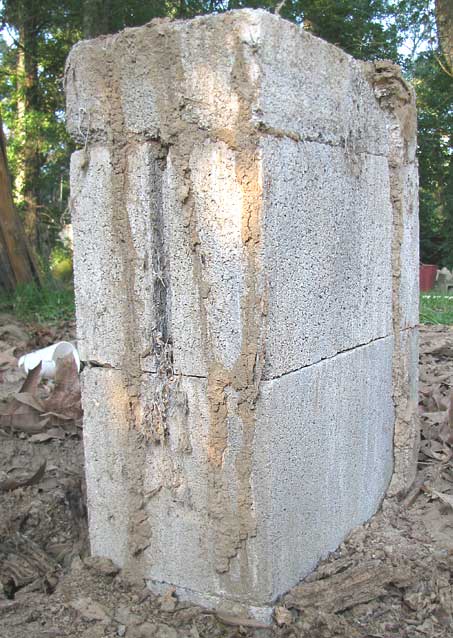
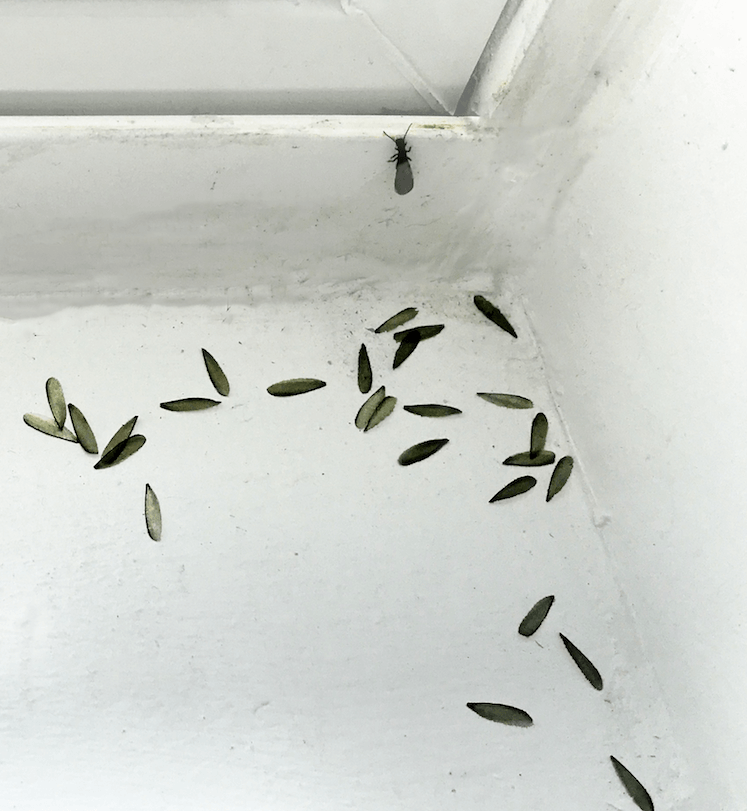
Request an inspection promptly if you find mud tubes on the structure, suspected termite swarmers or piles of wings indoors, pellets that reappear, or unexplained damaged wood. A new leak, wet crawl space, or newly blocked inspection area also deserves attention; correct the condition and ask whether the inspection plan should change.
Past infestation or treatment
Use the treatment report and the inspector’s follow-up recommendation to set the next date. An annual professional visit is common after treatment, but the right schedule depends on what was found, what was done, and whether recurring monitoring is part of the plan. Do not assume an old treatment invoice proves the house is clear today.
Active bond, warranty, or bait service
Read the signed agreement for the inspection date, renewal, access duties, station service, and what is covered. Ask the provider to explain anything unclear in writing. Bait-station checks and a whole-house inspection may be different visits; one should not be assumed to replace the other.
The homeowner termite inspection checklist can help you record what is visible between visits. It does not certify hidden areas or replace a professional inspection.
When a New Sign Changes the Schedule
A calendar is for routine monitoring, not for postponing a new concern. Photograph a suspected sign in place, note the date and location, and ask a qualified pest professional to identify it. Mississippi State Extension highlights indoor swarmers, shelter tubes, and building damage as important clues. A single clue still needs context: a winged insect may be an ant, and an old tube may remain after earlier activity. If framing seems weakened, keep clear of it and seek a qualified building professional as well. If you are considering waiting because it is winter, read how cold weather affects termite activity before postponing an assessment.
Two examples of signs that should move an inspection earlier. Select a photo to enlarge it; click the enlarged photo or press Escape to close.
How Local Risk Changes a Routine Interval
Termite exposure is not uniform across the United States. University of Georgia Extension describes subterranean termites as more abundant in warmer regions, particularly the South and Southeast. At the property level, recurring moisture, wood touching soil, and difficult-to-see foundation or crawl-space areas can also make a longer gap less comfortable. Fix leaks and drainage problems promptly, keep wood debris away from the house, and ask a local professional or extension office to relate the interval to your structure and area.
In a region with substantial termite pressure or a house with several risk conditions, a yearly professional inspection may be a practical plan. In a lower-risk setting with no known history, an inspector may support a different periodic schedule. The decision should come from the house and local conditions, not a blanket claim that every homeowner is required to book annually. For prevention work between visits, see how to prevent termites around your home.
If Your Home Has Been Treated Before
Start with the latest written inspection and treatment records. Ask what areas were treated or left inaccessible, when the provider wants to return, and what new evidence should prompt a call sooner. Rutgers Extension notes that companies often recommend annual inspection after termite treatment. That is a planning point, not a promise that one clear visit proves lasting control. If a bait system is involved, scheduled station monitoring and maintenance matter as well as any inspection of the house.
Let the Written Contract Set Contract Visits
A termite bond or warranty can specify renewal dates, inspections, service visits, access requirements, and limits on retreatment or repairs. EPA advises checking what a guarantee covers and whether a yearly inspection charge applies. Mississippi State Extension emphasizes that termite contracts vary. Put the next required date on your calendar, keep the report and payment records, and ask your provider to confirm how a missed or delayed visit affects your agreement.
For a plain-language explanation of coverage and renewal questions, read what a termite bond means. An inspection performed for a home purchase is a separate transaction question: confirm the current WDI/WDO report, form, and deadline through the homebuyer inspection guide.
A Simple Way to Set Your Next Date
- Check for a fixed obligation: Find the next date in your signed service agreement, if you have one.
- Review the house: Note past termite findings, treatments, moisture, wood-to-soil contact, and areas that were not inspected last time.
- Ask for a property-specific interval: Have a local qualified inspector explain the recommendation and record it in the report.
- Keep an earlier-call rule: New possible evidence or new damage warrants an assessment before that date.
At the next visit, ask for the scope and limits in writing. An inspection addresses visible and accessible areas under its stated scope; it is not a guarantee that concealed termites or damage are absent. See what happens during a professional termite inspection for the visit itself.
Bottom Line
Use routine checks to notice change, professional inspections at an interval suited to your home and region, and immediate follow-up for new suspected evidence. If a contract sets dates, follow that contract. Annual service can be appropriate, but it is not a universal U.S. rule for every house.
Sources
- U.S. EPA — Termites: How to Identify and Control Them
- U.S. EPA — Tips for Selecting a Pest Control Service
- UC IPM — Subterranean and Other Termites
- Rutgers NJAES — Termite Prevention and Control
- Mississippi State Extension — Signs of Termite Infestation
- Mississippi State Extension — Common Questions About Termites and Termite Control
- University of Georgia Extension — Biology of Subterranean Termites in the Eastern United States