Hiring a pro
What Happens During a Professional Termite Inspection?
Last updated: October 2026.
Short Answer
During a professional termite inspection, the inspector usually examines visible and accessible areas inside and outside the home, looks for live termites, termite evidence, visible damage, previous treatment signs, and conditions that can make termite activity more likely. The exact process depends on your state, the purpose of the inspection, the construction of the home, and what areas the inspector can safely reach.
A professional inspection is stronger than a DIY look, but it is still not a guarantee that the house is termite-free. Sealed wall cavities, areas under slabs, blocked crawl spaces, concealed wood, stored items, insulation, and unsafe areas may remain outside the inspection. Before the inspector leaves, ask what was found, where it was found, and which areas could not be inspected.
The DIY termite inspection checklist shows what a homeowner can safely observe. This guide explains what typically happens when you bring in a professional and how to understand the limits of the visit.
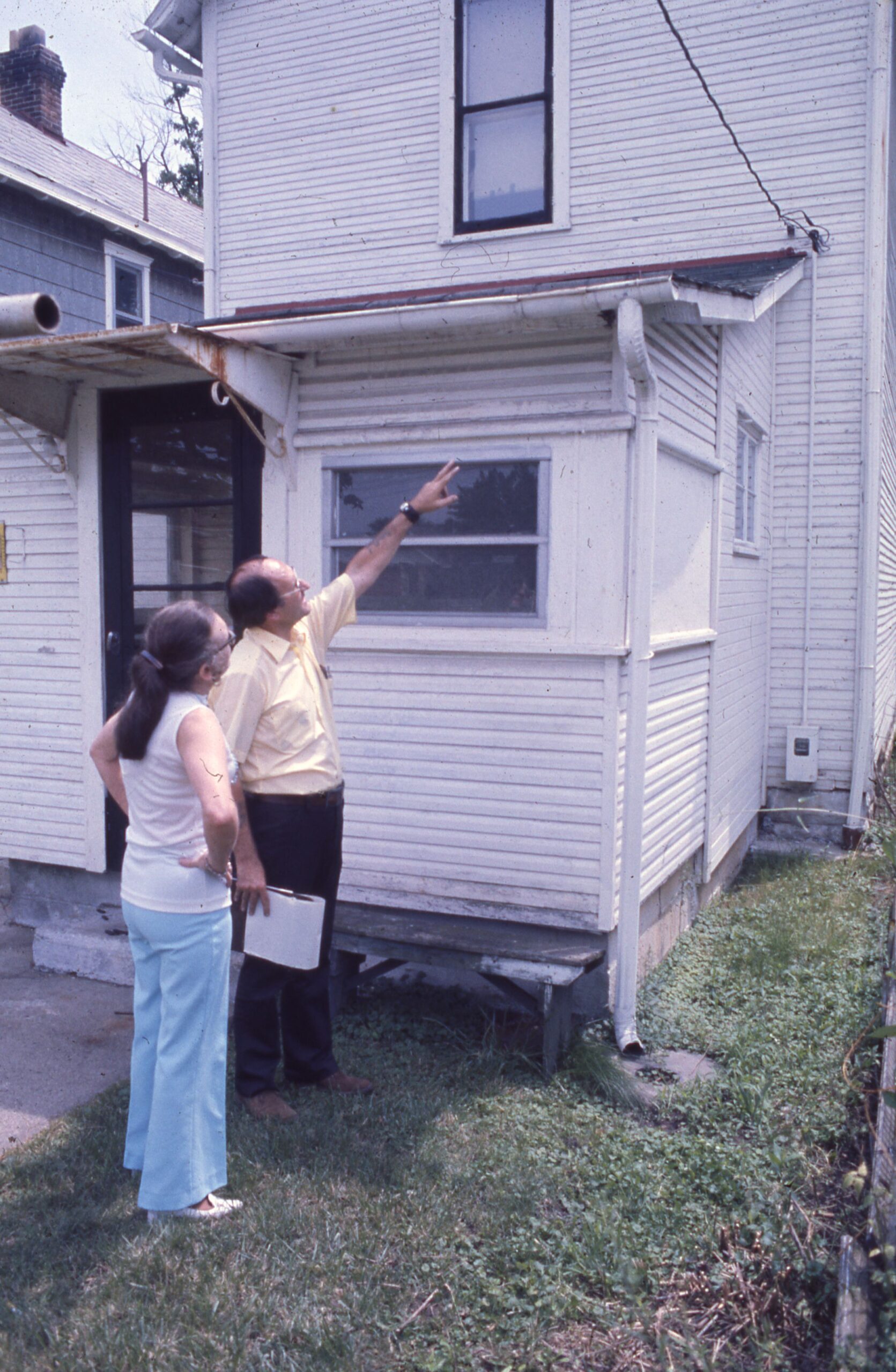
Before the Inspector Arrives
You do not need to diagnose the problem before the visit. Your job is to preserve evidence, make reasonable access possible, and share the history of the home.
- Do not clean up suspected evidence yet. Photograph pellets, wings, mud tubes, or damaged wood before moving anything.
- Clear safe access where you can. Move light storage away from crawl space entries, attic hatches, garage walls, plumbing walls, and foundation edges when doing so is safe.
- Point out recurring clues. Tell the inspector about swarmers, discarded wings, pellets that reappear, mud tubes, leaks, previous treatments, or past repairs.
- Keep unsafe areas off-limits. Do not enter tight crawl spaces, wet areas, unstable attics, exposed wiring, or damaged framing just to prepare for the inspection.
If you are still deciding whether the evidence is worth a call, compare the main signs of termites first. If you already scheduled the visit, keep the evidence available so the inspector can evaluate it in context.
What the Inspector Usually Checks
A professional inspection is not just a walk through the rooms. The inspector is trying to connect visible evidence with likely termite pathways, moisture sources, wood access points, and areas where wood-destroying insects may be active. Depending on the inspection scope and safe access, that may include:
Outside and foundation
Foundation edges, slab joints, crawl space vents, siding, porches, steps, weep holes, decks, utility penetrations, soil grade, wood-to-ground contact, and moisture around the structure.
Interior risk areas
Windows, doors, baseboards, flooring, walls, ceilings, plumbing areas, kitchens, bathrooms, laundry areas, garages, and places where wings, pellets, or damaged trim have appeared.
Accessible structure
Crawl spaces, basements, piers, joists, subfloor, sill plates, attic framing, roof leaks, and exposed wood where the inspector can safely and legally access the area.
This is different from a homeowner checklist. A homeowner can document visible clues. A professional brings training, reporting requirements where applicable, knowledge of building construction, and experience interpreting patterns across the whole structure.
What the Inspector Is Looking For
The inspector is not looking for only one thing. A clear report or explanation should distinguish the type of finding, because “termite evidence” does not always mean the same thing as “live termites seen today.”
- Live termites or swarmers. Seeing live insects can be important, but termites are often hidden when the inspection happens.
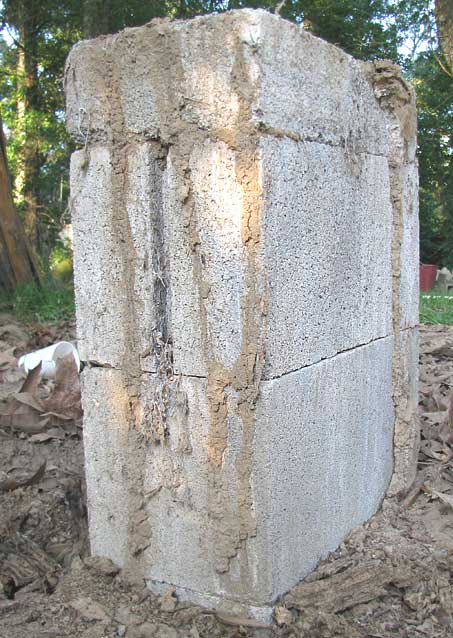
- Mud tubes or shelter tubes. These can show subterranean termite travel routes, but an old or broken tube needs careful interpretation.
- Discarded wings. Wings near windows, doors, lights, or plumbing areas can point to swarming activity.
- Drywood termite pellets. Pellets can be a strong clue, but pellets alone do not prove how far an infestation extends or whether activity is current.
- Visible wood damage. Blistering, hollowed wood, galleries, soft trim, or damaged framing may need further evaluation, especially if the wood may be structural.
- Previous treatment or previous infestation signs. Old treatment marks, repairs, or historic evidence may change what the next step should be.
- Conducive conditions. Excess moisture, wood-to-soil contact, debris, high soil grade, heavy foliage, poor ventilation, and wood piles near the home can make termite problems more likely or harder to inspect.
For specific clues, use the separate guides to mud tubes vs. old damage and termite droppings vs. frass. The professional inspection should put those clues into a whole-house context.
Tools the Inspector May Use
Some inspectors use a flashlight, probe, sounding tool, moisture meter, inspection mirror, camera, ladder, or other equipment depending on the home and the inspection type. More advanced tools may be used in some situations, but they are not a promise that every hidden void can be read like an X-ray.
Tools support the inspection; they do not remove access limits. A moisture meter can help locate damp areas. A probe can help assess accessible wood. A camera may help document findings. None of those tools can guarantee that sealed walls, slab interiors, or blocked voids are clear.
For homeowner-level gear and its limits, see termite inspection tools. That page is about observation tools, not professional diagnosis or treatment.
What the Inspector May Not Be Able to See
Access limits are not a footnote. They are one of the most important parts of the inspection. Areas may be hidden by wall coverings, floor coverings, furniture, equipment, stored items, insulation, finished surfaces, tight clearances, locked spaces, unsafe conditions, or construction that would have to be damaged to inspect.
Common examples include sealed wall cavities, wood under slabs, concealed framing, inaccessible crawl spaces, insulated attic areas, blocked plumbing areas, heavy storage along garage walls, low-clearance subfloors, and areas behind built-ins or immovable equipment.
After the visit, do not ask only, “Did you find termites?” Ask, “Which areas could you not inspect, and why?” A clean-looking report is much less useful if important areas were inaccessible and you do not understand what was excluded.
Does “No Termites Found” Mean the House Is Termite-Free?
No. It usually means the inspector did not report visible evidence in the areas inspected under the scope of that inspection. It does not automatically rule out concealed termites, hidden damage, inaccessible areas, or future activity.
Official WDI/WDO report forms in Texas and Florida make the visibility limit explicit. Florida’s form also states that it is not a structural damage report. If structural soundness is a concern, ask whether a qualified building or structural professional should evaluate the damage.
What Happens After the Inspection?
Before you talk about treatment, make sure you understand the findings. A useful post-inspection explanation should answer four plain questions:
- What was found? Live termites, evidence, visible damage, previous treatment signs, conducive conditions, or no visible evidence.
- Where was it found? The report should describe locations clearly enough that you can find them again.
- What was not inspected? Ask the inspector to identify inaccessible or obstructed areas, especially in crawl spaces, attics, and areas blocked by coverings or storage.
- What is the next step? That may be monitoring, correcting conducive conditions, further evaluation, a second opinion, treatment, or repair assessment.
Buying a house? See our termite inspection before buying a house guide for the transaction-specific report, access-limit questions, and deadlines to check before closing.
If the inspector recommends treatment, slow the conversation down and separate the inspection finding from the sales proposal. Our questions to ask a termite company can help you compare the recommendation with another written quote.
Questions to Ask Before the Inspector Leaves
These questions turn the visit from a quick verdict into information you can actually use:
What evidence did you find, and exactly where?
Ask for specific locations, not just “termites present” or “no problem.”
Did you see live termites, or only evidence or damage?
This helps you separate current visible activity from signs that may need more context.
Which areas could you not inspect?
This may be the most important question in a finished home, slab home, cluttered garage, insulated attic, or tight crawl space.
Did you find conditions that make termite activity more likely?
Moisture, wood-to-ground contact, debris, high soil, blocked ventilation, and heavy foliage can matter even if no live termites are visible.
Does any damage need evaluation by a building professional?
Pest inspectors can identify visible insect evidence, but structural soundness may require a different qualified professional.
What part of your recommendation is inspection, and what part is treatment?
This keeps the finding, the risk, and the proposed service from blending into one rushed decision.
DIY Checklist vs. Professional Inspection
A DIY inspection is useful for routine observation and documentation. You can look for visible mud tubes, wings, pellets, moisture, damaged trim, and blocked inspection areas without opening walls or entering unsafe spaces. That is the role of the homeowner termite inspection checklist.
A professional inspection adds trained interpretation, a broader inspection pattern, knowledge of construction and termite behavior, and a written reporting context where required. But even a professional inspection is not magic. It still depends on what can be seen, reached, and safely inspected at the time of the visit.
The Bottom Line
A professional termite inspection should leave you with more than a yes-or-no answer. You should understand what was inspected, what evidence was found, what areas were inaccessible, whether damage needs separate evaluation, and what next step is being recommended. If the visit produces a treatment recommendation, use the termite treatment decision guide to slow down and compare options before you sign.
How We Approach These Guides
TermitePlan is an independent decision resource; we are not an exterminator and do not sell treatments. This article is educational and does not replace a state-required WDI/WDO inspection, a licensed pest control inspection, or a structural evaluation by a qualified building professional. See our Methodology.
Sources
- Texas Department of Agriculture: Texas Official Wood Destroying Insect Report, SPCS/T-5.
- Texas Department of Agriculture: Structural Pest Control Service Combined Rules.
- Florida Department of Agriculture and Consumer Services: Wood-Destroying Organisms Inspection Report, DACS 13645.
- Florida Statutes 482.226: Wood-destroying organism inspection report notice.
- UC IPM: Drywood Termites.
- UC IPM: Subterranean and Other Termites.