Decision guide
What should you do about termites?
Finding signs of termites is stressful, and the internet is full of people trying to sell you something before you even know what you are dealing with. This guide does the opposite. It helps you figure out your situation first, then points you to the right next step — which is sometimes a product, sometimes a professional, and sometimes just confirming what you have found before spending any money.
Use this guide to decide whether to inspect, monitor, compare products, or call a licensed termite professional.
Work through the four questions below. At the end, you will land on one of five results. Each result explains when it fits, when it does not, and what to do next.
A note before you start: termite treatment involves pesticides and the structural safety of your home. This guide is educational and does not replace a licensed inspection or the current product label. When a situation looks serious, unclear, or high-risk, the safest answer is almost always a professional inspection first. We would rather send you to a professional you did not strictly need than talk you into DIY on a problem that was over your head.
Find your safest next step
Answer four short questions. The guide suggests a route; it does not identify a species or confirm an infestation.
The Four Questions
Prefer to work through it yourself, or have JavaScript turned off? The complete manual version is right here. Read all four questions, then use your answers together with “How To Read Your Answer” below. The interactive guide above follows these exact same rules.
Question 1 — What are you actually seeing?
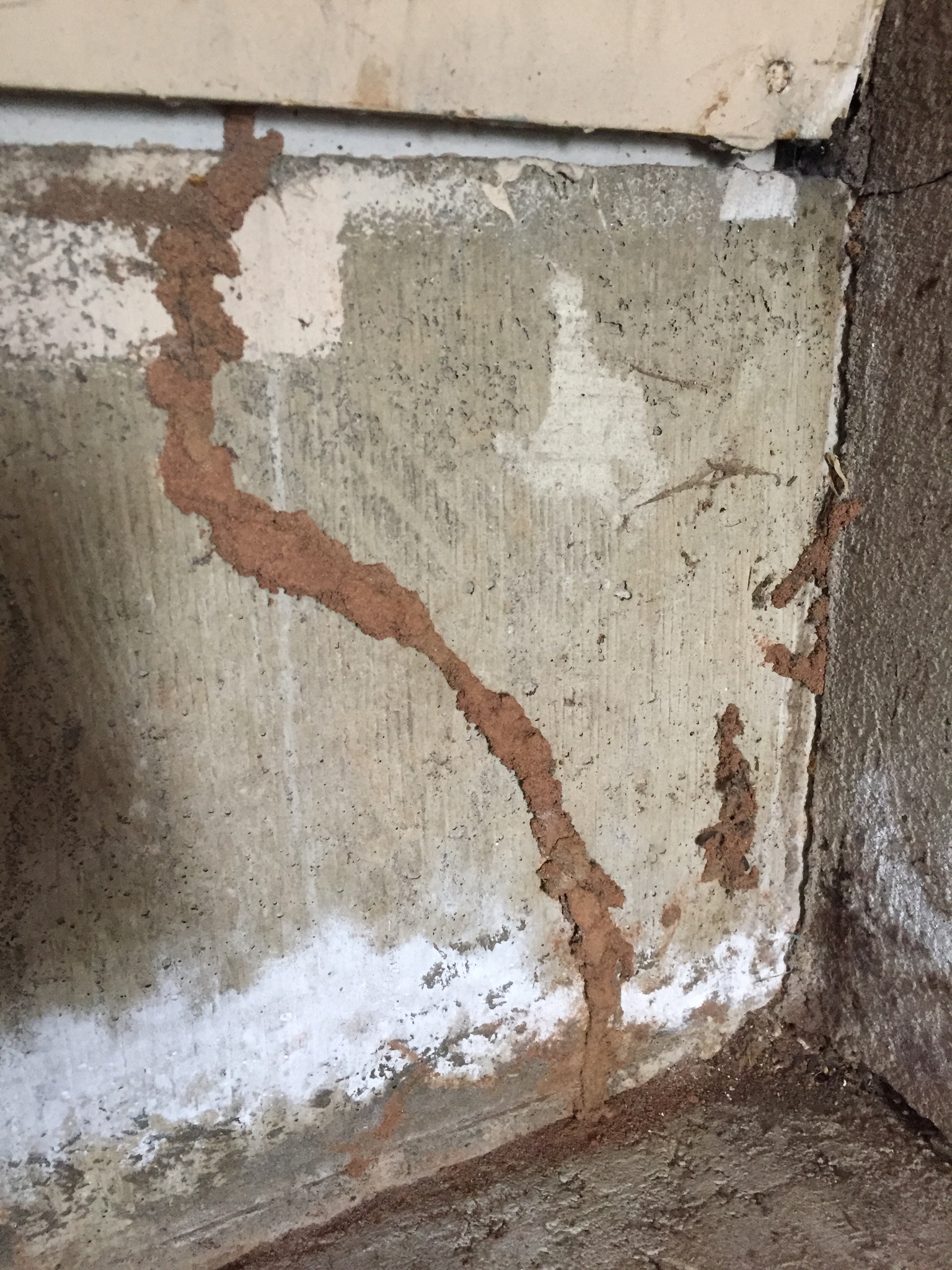
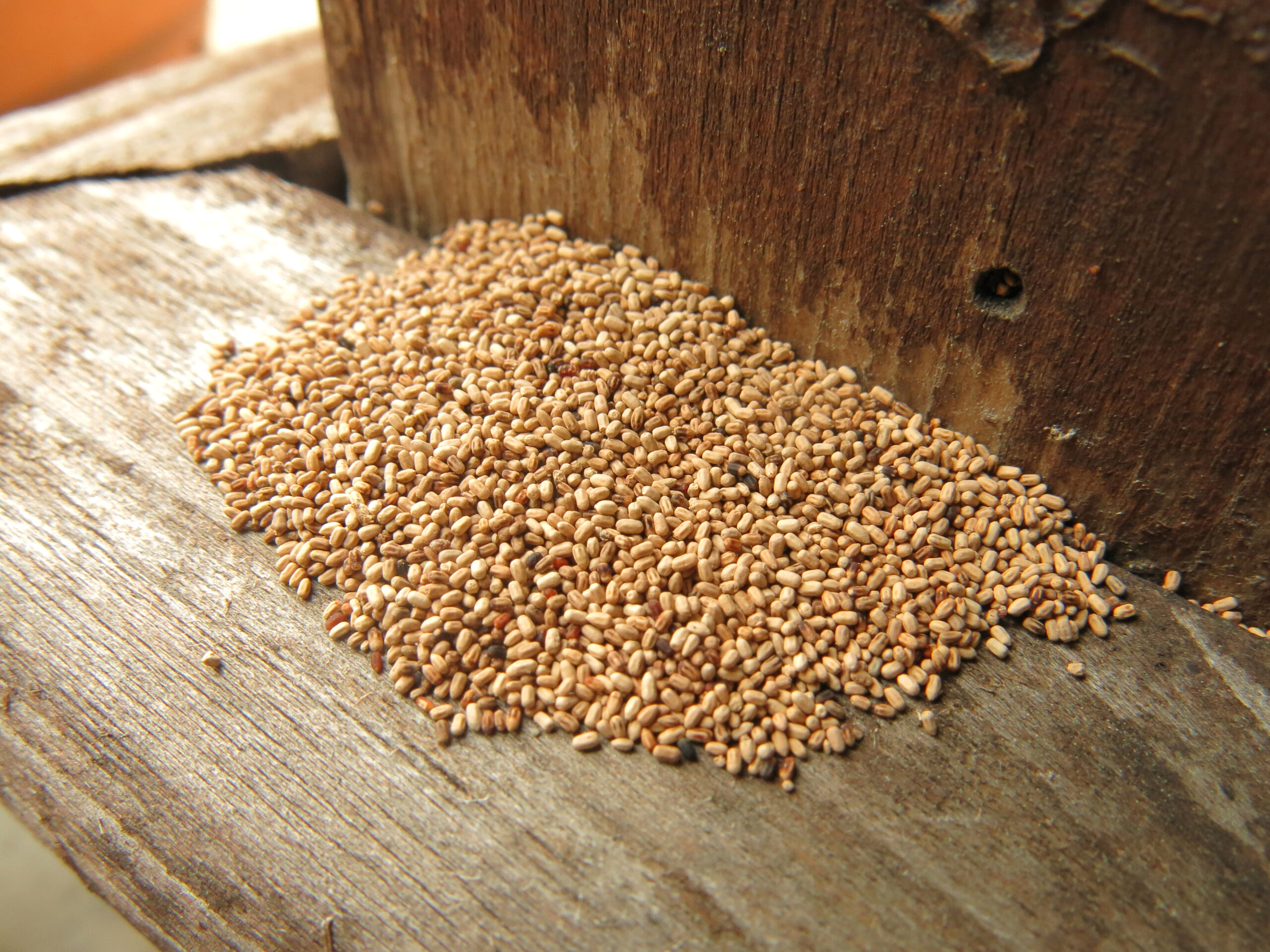
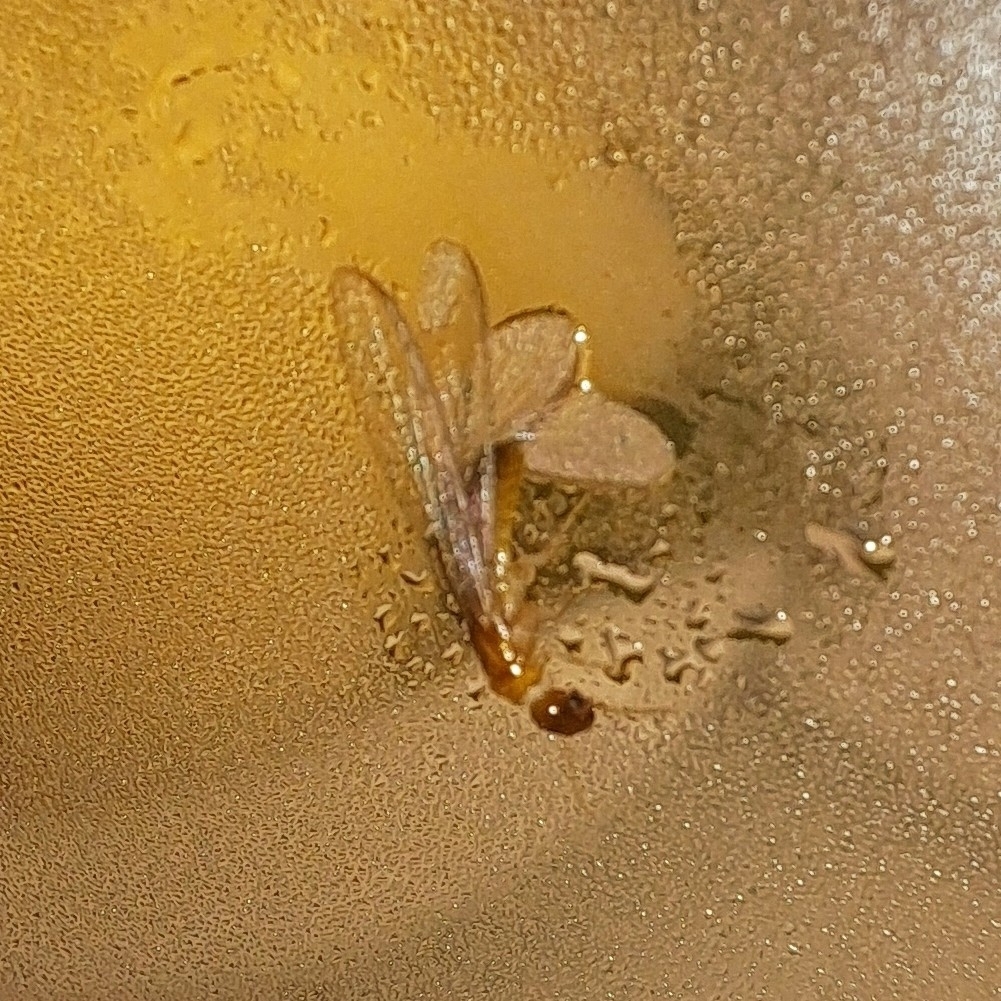
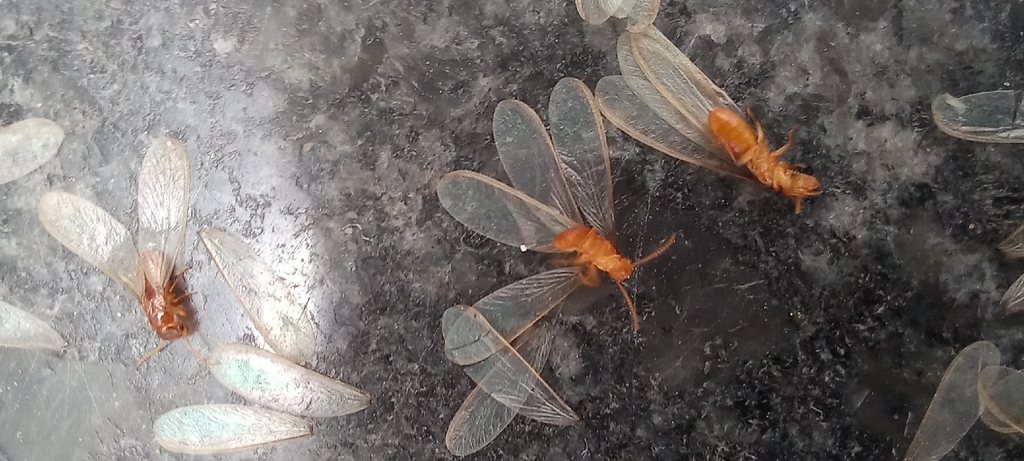
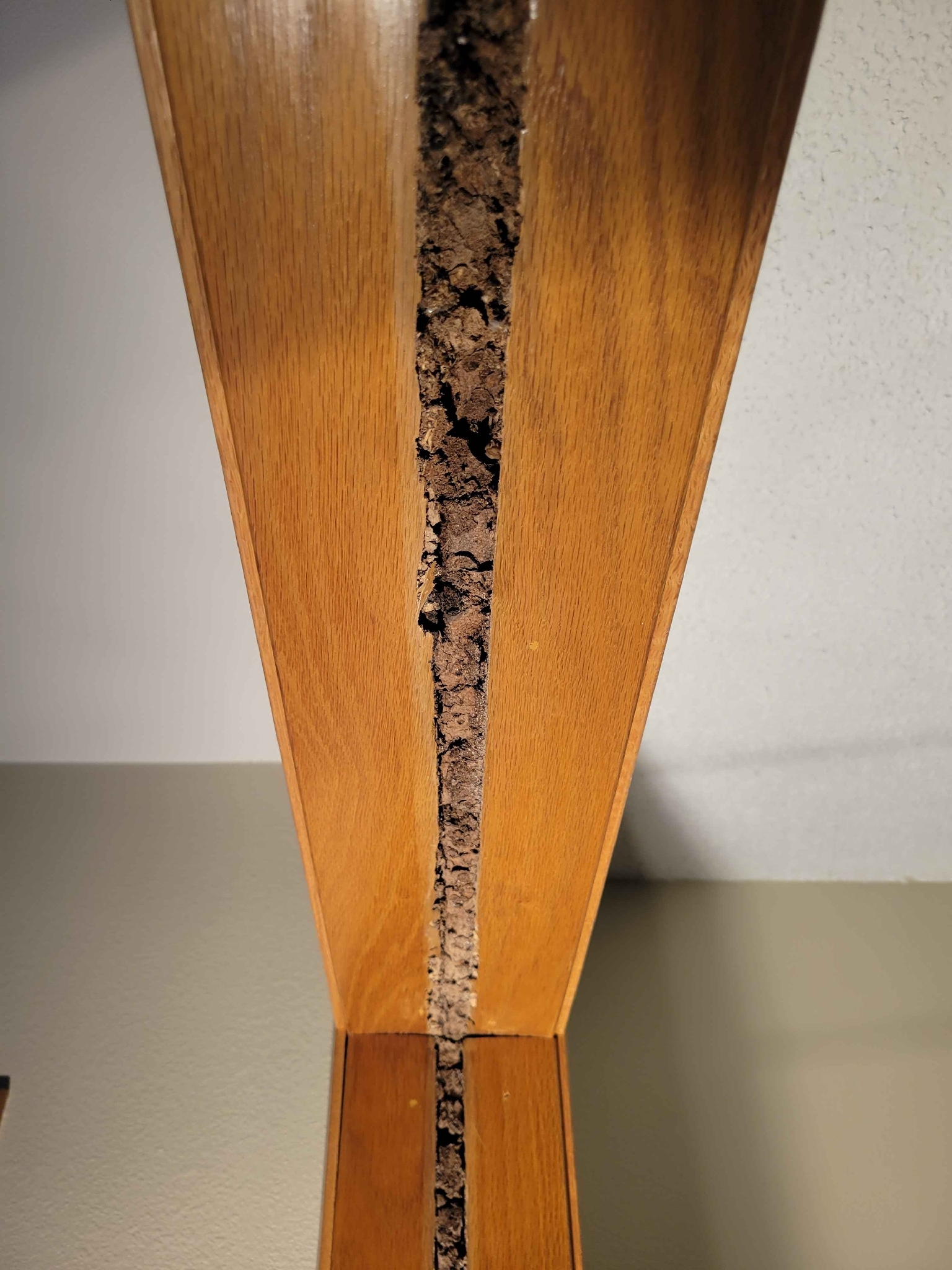
Five of the visual signs below (tap any photo to enlarge). Full identification guides are linked in Result A.
- Mud tubes (pencil-width mud trails on foundations, walls, or wood)
- Droppings, frass, or pellets (small piles of wood-colored pellets)
- Swarmers or discarded wings (flying insects or shed wings near windows/light)
- Damaged wood (hollow-sounding, blistered, or crumbling wood)
- Live insects
- Not sure / I can’t tell yet
Question 2 — Where are the signs?
- Outside, around the foundation
- Crawl space
- Basement
- Slab or concrete edge
- Deck, fence, or other exposed outdoor wood
- Inside a living area
- Attic, wall, or another hidden area
- Not sure
Question 3 — What are you trying to do?
- Identify what I found
- Monitor or prevent a problem
- Treat accessible, exposed wood
- Compare DIY treatment products
- Decide whether to call a professional
- Deal with an urgent, active problem
Question 4 — Do any of these high-risk conditions apply? (Choose all that apply)
- Active termites or swarmers inside the home
- Possible structural damage
- A home sale, inspection, refinance, or tenant deadline
- A previous DIY treatment already failed
- Children, pets, or a food-prep area near the treatment zone
- A well, pond, drain, cistern, or other water concern nearby
- I am not comfortable reading and following pesticide labels
- None of these
How To Read Your Answer
Use this priority order. Start at the top and stop at the first one that matches you — this is exactly the order the interactive guide above uses:
- If you checked ANY box in Question 4 (except “None of these”) → Result E: Call a Licensed Professional. High-risk conditions override everything else. This is deliberate — some termite mistakes are expensive or unsafe, and they are not worth the risk.
- If your goal (Question 3) is “decide whether to call a professional” or “deal with an urgent, active problem” → Result E.
- If you see live insects or swarmers (Question 1) inside a living area or a hidden area such as an attic or wall (Question 2) → Result E. Active insects indoors are a professional-inspection situation, not a first DIY project.
- If you are not sure what you found (Question 1 = “Not sure”), or your goal is just to identify it (Question 3 = “Identify what I found”) → Result A: Inspect or Monitor First. Do not buy treatment for a problem you have not confirmed.
- Otherwise, match your main goal in Question 3:
- Treat accessible, exposed wood, and the location is reachable (deck/fence/outdoor wood, crawl space, basement, or foundation) → Result B: Borate / Exposed-Wood Treatment. If the wood is on a slab, hidden, or you are not sure where → Result A first.
- Monitor or prevent → Result C: Bait Stations or Monitoring
- Compare DIY treatment products → Result D: Liquid or Foam Treatment Comparison
If two results seem to fit, always choose the one higher on this list. Safety and certainty come before product choice.
Inspect or Monitor First
The most common and most expensive termite mistake is treating the wrong thing. Old, inactive damage looks alarming but may need no treatment at all. A confirmed active infestation needs a very different response from a bit of weathered wood.
When this fits you:
- You are not sure what you found.
- Your goal right now is to identify the evidence.
- The signs look old or weathered, with no clear sign of current activity.
- You see something near the foundation but cannot tell if it is active.
When this does NOT fit you:
- You see live insects, active mud tubes, or swarmers indoors → see Result E.
- You already know what you are dealing with and want to compare treatments → go back to Question 3.
Your next step: Confirm the evidence before spending anything. These guides walk you through what you are looking at:
- New to the signs? Start with the signs of termites, with pictures.
- Not sure which kind of wood pest left the evidence? Compare termites, carpenter ants, and wood-boring beetles.
- Saw a winged insect or shed wings? Tell them apart in flying ants vs. termites.
- Want to check the whole house in order? Use the termite inspection checklist.
- Found possible evidence beneath the home? See the crawl space treatment guide.
- Mud tubes vs. old damage: is it active?
- Droppings vs. frass, and what each means.
- Which termite type you may have: subterranean vs. drywood vs. dampwood (including the higher-risk Formosan termite).
- Texas-specific termite types, swarm timing, and next steps: termites in Texas.
- Simple inspection tools that help you look closer.
If, while confirming, you find clearly active termites or damage inside the structure, move to Result E.
Where a product or pro fits here: simple inspection tools can help you look properly, and a downloadable inspection checklist can keep you organized. A professional is only needed at this stage if what you find looks active or urgent.
Borate / Exposed-Wood Treatment
Borate products (such as Bora-Care or Tim-bor) are applied to bare, accessible wood to help protect it. They make the most sense for prevention and for exposed wood you can actually reach — think deck framing or fence posts, or accessible structural wood during a renovation.
When this fits you:
- Your goal is treating accessible, exposed wood.
- The location is a deck, fence, exposed framing, or otherwise reachable wood.
- You are focused on prevention or protecting sound wood.
- There is no sign of an active, hidden, or structural infestation.
When this does NOT fit you:
- The wood is hidden, painted, sealed, or inside a wall → borate may not reach where it needs to.
- You are dealing with an active infestation you are hoping to “cure” with surface treatment → this is not what borate does; see Result D or Result E.
- The damage looks structural → see Result E.
Your next step:
- Compare borate options and where each fits: best borate wood treatment.
- Bora-Care vs. Tim-bor differences: liquid vs. powder borate.
Where a product or pro fits here: borate products (via specialist retailers) are the natural fit, with simple application accessories where useful. If the wood damage turns out to be structural or hidden, stop and get a professional inspection instead.
Bait Stations or Monitoring
Bait systems work slowly and steadily. They are well suited to monitoring for activity and to prevention around a foundation. They are not an emergency fix for termites already active inside a structure.
When this fits you:
- Your goal is to monitor or prevent.
- Signs are outside, around the foundation, or low-urgency.
- You want a station-based or monitoring approach and understand it is ongoing.
- There is no clear active structural infestation.
When this does NOT fit you:
- You have active termites inside the home or a deadline → see Result E.
- You want to compare faster-acting liquid or foam treatments → see Result D.
Your next step:
- For routine steps that reduce conducive conditions around the property, see our home termite prevention guide.
- Before buying retail stakes or a station kit, compare termite detection stakes vs. bait stations.
- Bait stations vs. liquid treatment, and when each makes sense: compare them here.
Where a product or pro fits here: bait station and monitoring products (via specialist retailers) fit this path. If you tell us there is active infestation or a deadline, the honest answer shifts toward a professional.
Liquid or Foam Treatment Comparison
This path is for homeowners who are comfortable reading pesticide labels and are seriously comparing DIY treatment types — soil-applied liquid termiticides, foams, and similar products. The goal here is to understand which category fits your situation before buying, not to crown a single “best” product.
When this fits you:
- Your goal is to compare DIY treatment products.
- You are considering soil treatment, liquid termiticide, or foam.
- None of the high-risk conditions in Question 4 apply to you.
- You are comfortable reading and following pesticide labels exactly.
When this does NOT fit you:
- You checked any high-risk box in Question 4 → see Result E.
- You are not comfortable following a pesticide label precisely → see Result E; this matters for both safety and results.
- You still are not sure what you are treating → start with Result A.
Your next step:
- Compare the main treatment types side by side: termite treatment types compared.
- Foam vs. liquid, and when each is used: foam vs. liquid treatment.
- Considering foam specifically? Read what termite foam can and cannot do.
- A narrower active-ingredient comparison: Taurus SC vs. Termidor SC.
Where a product or pro fits here: liquid and foam termiticide products (via specialist retailers) fit this path. For slab, hidden, water-adjacent, structural, or unclear cases, the guide points to a professional instead — those are not good DIY liquid-treatment scenarios.
Call a Licensed Termite Professional
Some situations are simply not worth doing yourself. When termites are active inside the home, when damage may be structural, when there is a deadline, or when water sources or unclear access are involved, the cost of getting it wrong is far higher than the cost of an inspection. Calling a professional here is not a failure — in these cases it is usually the most cost-effective way to avoid a much larger bill later.
When this fits you (any one is enough):
- Termites or swarmers appear inside the home.
- Mud tubes are active or extensive.
- Damage may be structural.
- The issue involves a slab foundation, hidden wall, crawl space complexity, or unclear access.
- There is a home sale, inspection, refinance, or tenant deadline.
- Water sources — wells, drains, ponds, cisterns — or other sensitive areas are nearby.
- A previous DIY treatment already failed.
- You are not comfortable reading and following pesticide labels.
When something lighter might fit instead:
- If you genuinely have none of the above and only want to confirm weathered, old-looking evidence, you may belong in Result A first. But when in doubt between A and E, choose E.
Your next step:
- What happens during a professional termite inspection.
- Why DIY vs. professional comes down to the situation, not the product.
- What termite treatment typically costs.
- Questions to ask before hiring a termite company.
Where a product or pro fits here: the honest monetization on this path is helping you reach a qualified professional and giving you a checklist of questions to ask. Simple inspection tools may help only where they are genuinely useful. We do not push treatment products into a scenario where DIY is the wrong call.
One Last Thing
No four-question guide can capture every home or every infestation. If your situation feels borderline, treat that feeling as information: borderline termite problems are exactly the ones where a professional inspection pays for itself. You can always start with confirmation and a phone call, and buy products later only if DIY genuinely fits.
For how we compare options and why we route the way we do, see our Methodology. For how affiliate links work on this site, see our Affiliate Disclosure.