
Termite biology for homeowners
What Do Termites Eat? Wood, Paper, Drywall, and What They Only Chew Through
Short Answer
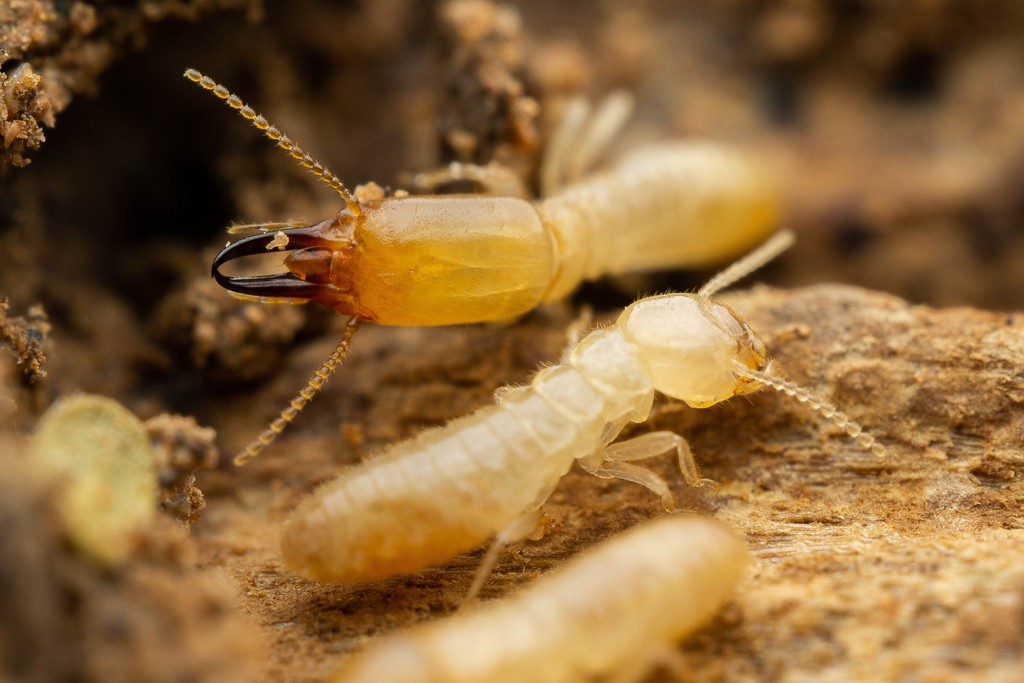
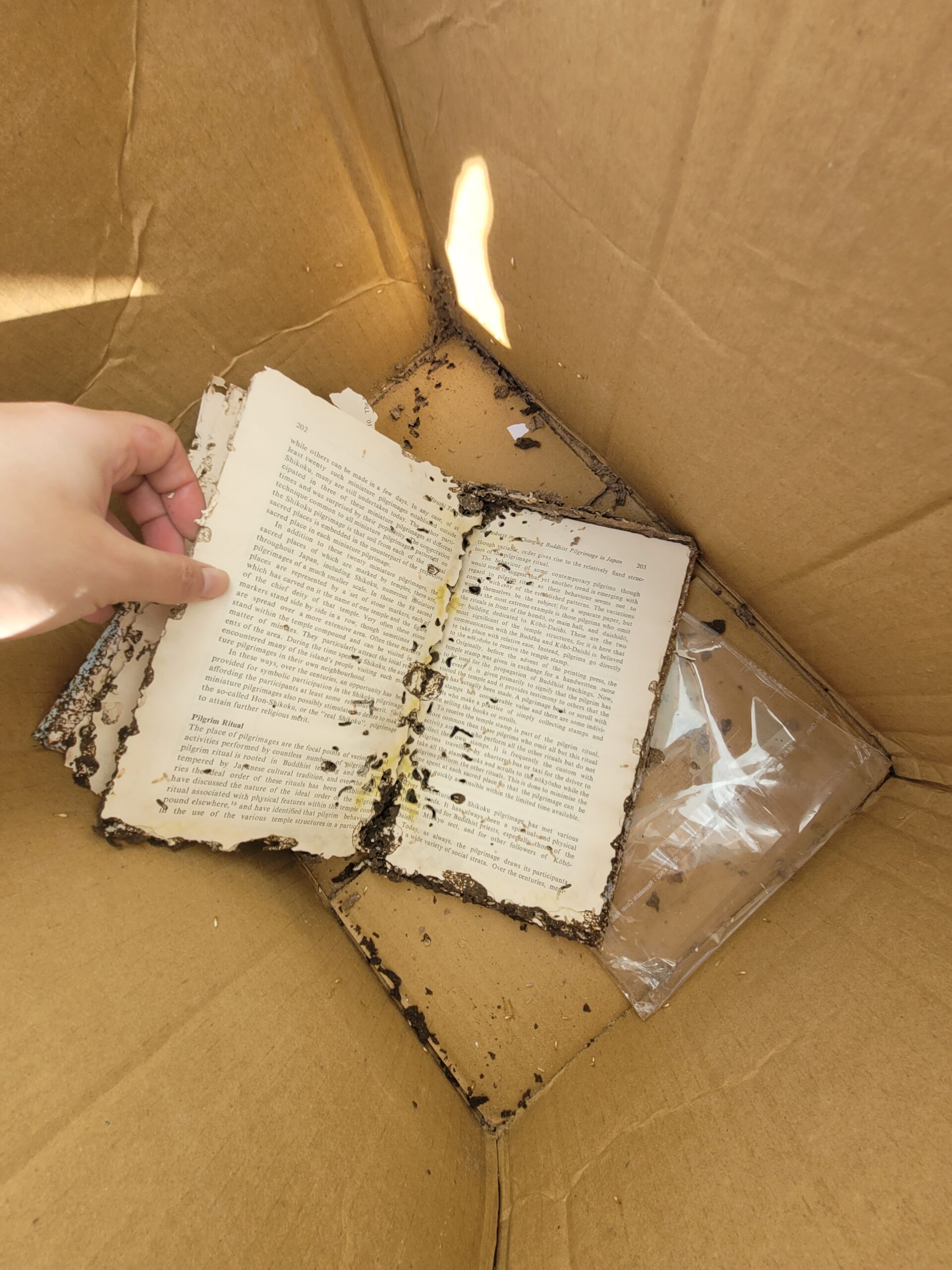
Termites eat cellulose, the main component of wood and plant fiber. In a house that means structural wood, trim, and flooring, but also paper products, cardboard boxes, the paper facing on drywall, and other cellulose materials. NC State Extension notes that termites feed on almost anything that contains cellulose.
They do not eat concrete, brick, metal, or plastic. Subterranean termites travel over or through those materials to reach food, and they can tunnel through plastic and foam board on the way. Moist, softened, or decayed wood is their favorite meal, which is why leaks and wood-to-soil contact matter so much.
How Termites Digest Wood
Wood is hard to digest. UC IPM explains that most termite species carry microscopic one-celled organisms in their intestines that help convert otherwise indigestible cellulose into food for the colony. Workers do the eating and then share food with the rest of the colony by passing gut contents from one termite to another, which also passes along the cellulose-digesting organisms. Soldiers, young termites, and the king and queen depend on workers to feed them.
That shared feeding is why baits work: workers carry a slow-acting active ingredient back through the colony. It is also why spraying the termites you can see does little; most of the colony never comes to the surface.
What Termites Eat in a House
Scroll the table sideways to see every column.
| Material | Food? | What to know |
|---|---|---|
| Framing, subfloor, sill plates, trim | Yes | The main target. Wood near soil or kept damp by leaks is at the highest risk |
| Wood flooring and paneling | Yes | Damage often stays hidden under the surface. See termites in wood floors |
| Drywall | The paper facing | Termites feed on the paper covering of drywall and can chew holes through it; the gypsum core is not food |
| Paper, books, cardboard boxes | Yes | Stored boxes on a basement or garage floor are an easy target |
| Mulch, firewood, stumps, buried scrap wood | Yes | Food outside the house that can support activity next to the foundation |
| Pressure-treated wood | Resists feeding | Protects the treated wood, not the rest of the house. See do termites eat pressure-treated wood? |
| Plastic and foam board | No, but they tunnel through | NC State notes termites may tunnel through plastic and foam board while foraging |
| Concrete, brick, stone, metal | No | Subterranean termites build mud tubes over these surfaces or follow cracks and joints to reach wood |
Texas A&M AgriLife Extension adds that Formosan termites may chew through asphalt, plaster, rubber, and plastic, and that their damage has been linked to electrical shorts.
Which Wood Termites Prefer
UC IPM says the condition of the wood matters more than the species. Decayed wood is eaten faster and preferred over sound wood, because decay fungi have already started breaking down the cellulose. Subterranean termites follow the grain and eat the softer springwood, leaving the harder summerwood behind, which is why damaged wood often looks layered and hollow.
Subterranean termites
Eat wood they can reach from moist soil, often wood that is damp or slightly decayed. Above-ground colonies can form where a leak keeps wood wet. See subterranean termites.
Formosan termites
Eat the same cellulose materials, but Texas A&M reports they also attack living trees, more than 50 species. See Formosan termites.
Drywood termites
Live and feed inside dry, sound wood, including furniture and trim, with no soil contact. See drywood termites.
Dampwood termites
Need wood with high moisture content. UC IPM calls their presence an indicator of a moisture problem or decay. See dampwood termites.
What Termites Eat Outdoors
Outside, termites are recyclers. UC IPM describes them feeding on felled trees, stumps, grasses, bushes, and other dead or decaying wood, returning nutrients to the soil. Most yards contain buried cellulose such as roots, stumps, and old fence posts, so UC IPM cautions that finding termites in the yard does not necessarily mean the house has termites.
The risk rises when that food sits against the house. Stumps, firewood stacks, wood mulch, and scrap lumber near the foundation can keep a colony feeding a few feet from your sill plate. Our guides to termites in mulch, termites in firewood, termites in a tree stump, and termites in garden soil cover each situation.
Do not use food as bait at home: cardboard or wood “traps” attract termites but do not reach the colony, and they can draw activity closer to the house. Professional bait systems use labeled products in monitored stations; that is a different thing from leaving food out.
What This Means for Protecting Your House
Take food and moisture away
Keep wood and stored paper off soil and slab floors, pull mulch back from the foundation, remove stumps and scrap wood near the house, and fix leaks. UC IPM recommends keeping substructural wood at least 12 inches above the soil.
Found damage or termites?
Look for mud tubes, hollow wood, and chewed paper facing on drywall, then confirm what you have before treating. Start with our termite identification guide and termites in walls.
The full checklist is in how to prevent termites around your home. If you are not sure whether soft wood is termite damage or rot, see termite damage vs. water damage.
Your Next Step
Walk the outside of the house this week and list every place wood, mulch, or cardboard touches soil or the foundation, plus any leak that keeps wood wet. Move or fix what you can, and photograph any mud tubes or hollow-sounding wood for an inspection.
Common Questions
Do termites eat drywall?
They eat the paper facing on drywall and can chew through it to reach wood or build tubes, but the gypsum core itself is not food.
Do termites eat concrete?
No. Concrete has no cellulose. Subterranean termites cross it in mud tubes or travel through cracks, joints, and gaps around pipes to reach wood.
Do termites eat plastic or foam insulation?
They do not digest it, but NC State says they may tunnel through plastic and foam board while foraging, and Formosan termites can chew through plastic, rubber, and asphalt.
Do termites eat living trees and plants?
Most termites feed on dead wood and plant material. Formosan termites are an exception: Texas A&M reports they attack more than 50 species of living trees.
Do termites prefer wet wood?
Yes. UC IPM says decayed wood is eaten faster and preferred over sound wood, and subterranean termites need moisture. Drywood termites are the exception and live in dry wood.