Regional termite guides
Termites by State: Local Types, Signs, and Treatment Routes
Start With Your State
Termite evidence can look similar from one state to another, but the likely species, swarm timing, licensing rules, inspection documents, and practical treatment routes can change with location.
Choose a published state guide below for local context. If your state is not listed yet, begin with the termite type comparison and the termite treatment decision guide. To compare swarm timing across regions, see when termite season starts by region.
Choose a State Guide
Alabama
Native subterranean termites are the main risk, and invasive Formosan termites have now been recorded in 32 of 67 counties. Alabama termite contracts must state whether they cover retreatment only or limited repair.
Arizona
The desert subterranean termite is the most destructive species and swarms after monsoon rains; western drywood termites infest dry wood above ground. Arizona makes recent termite treatment records searchable by address.
California
Subterranean termites are widespread, western drywood termites are a major structural route, and dampwood termites matter in coastal or persistently wet settings.
Florida
Subterranean, drywood, and dampwood termites all matter. Florida also has invasive Formosan and Asian subterranean termites, so identification changes the route.
Georgia
Native subterranean termites are the statewide baseline. Structural drywood risk is more important in south and southeast Georgia, while Formosan findings remain limited.
Hawaii
Hawaii has eight introduced termite species, led by the invasive Formosan “ground termite,” with the Asian subterranean termite established on Oʻahu and drywood termites as the other main group.
Louisiana
Native subterranean termites are common statewide, while invasive Formosan termites define much of the state’s regional risk, especially across southern Louisiana.
Mississippi
Native eastern subterranean termites occur in every county, while invasive Formosan termites are established mostly in the southern half of the state. Most contracts cover retreatment only, and the state WDI report carries no warranty.
North Carolina
Native subterranean termites are the primary structural concern. Swarm timing varies by species, and the WDIR-100 has North Carolina-specific limits.
Oklahoma
Native subterranean termites are common across the state and swarm mainly from March through May. Home-sale inspections must be reported on the official ODAFF-1 form, which lists inaccessible areas and recommendations.
South Carolina
Native subterranean termites are the statewide baseline. Formosan termites have a documented 16-county history, with the strongest concentration from Charleston south to Beaufort, while drywood termites form a secondary route.
Tennessee
Native subterranean termites, led by the eastern subterranean termite, are the main risk; Formosan termites are not established. Tennessee termite contracts must say on the front, in half-inch letters, when damage repair is not covered.
Texas
Subterranean termites are the main statewide concern. Formosan termites are concentrated along the Gulf Coast and in major metropolitan areas, while drywood importance rises nearer the coast.
Which States Have Termites?
Nearly all of them. UF/IFAS Extension notes that native subterranean termites in the genus Reticulitermes are found in every state in the continental United States except Alaska, and that they are most abundant in the warm, humid Southeast. Farther north, Penn State Extension reports eastern subterranean termites throughout Pennsylvania; see our Pennsylvania termite guide. Hawaii has its own introduced termites; see our Hawaii termite guide.
Risk is not the same everywhere. Building codes and HUD use a termite infestation probability (TIP) map with four zones: very heavy, moderate to heavy, slight to moderate, and none to slight.
- Very heavy: for the states it covers, HUD’s Atlanta Homeownership Center lists Alabama, Florida, Georgia, Mississippi, South Carolina, and Puerto Rico in this zone.
- Moderate to heavy: the same HUD list places Illinois, Indiana, Kentucky, North Carolina, and Tennessee here. An Ohio State University entomology update also rates Ohio’s subterranean termite risk as moderate to heavy; see our Ohio termite guide.
- Slight to moderate and none to slight: areas with lower termite pressure. Termites can still occur there, so a low zone is not a reason to ignore mud tubes, swarmers, or damage.
The zone mainly affects building and lending rules, such as pre-construction treatment. Evidence on your own house matters more than the map; see signs of termites and termite season by region.
What Changes From State to State?
| Likely termite groups | Subterranean, drywood, dampwood, and invasive species do not have the same distribution or structural importance everywhere. |
|---|---|
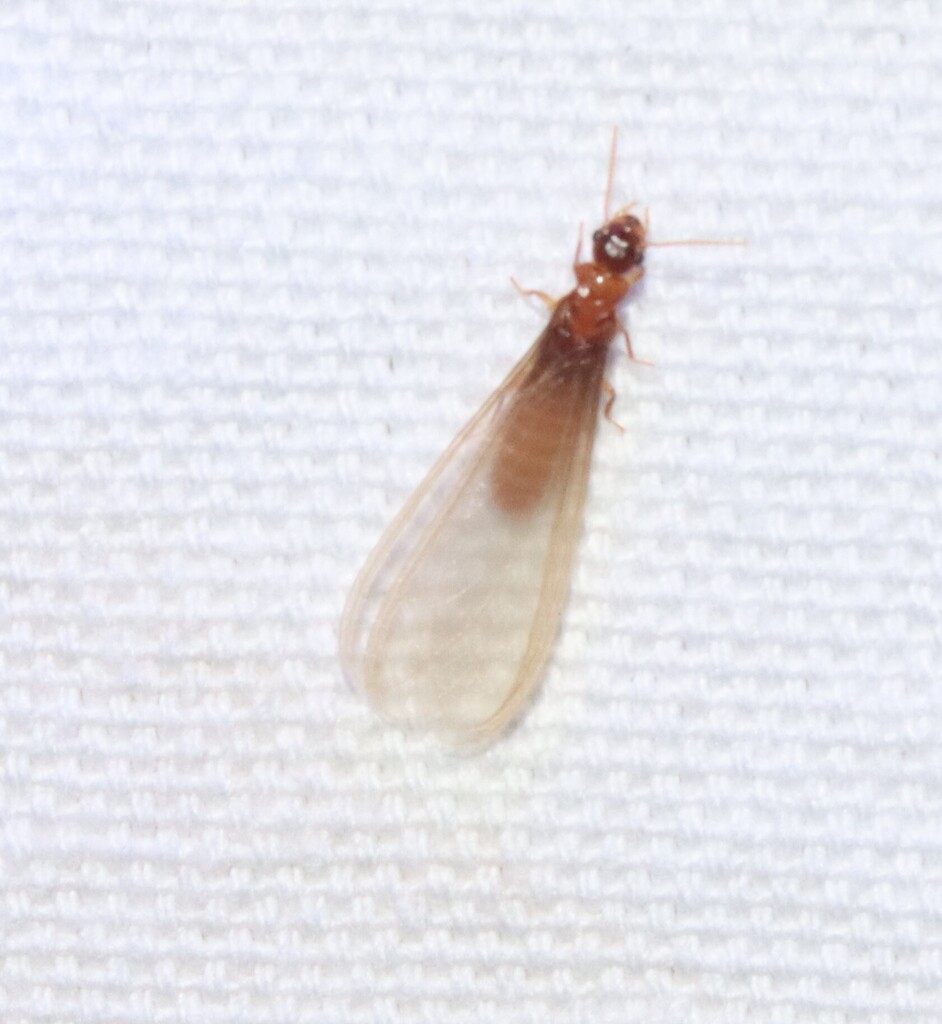
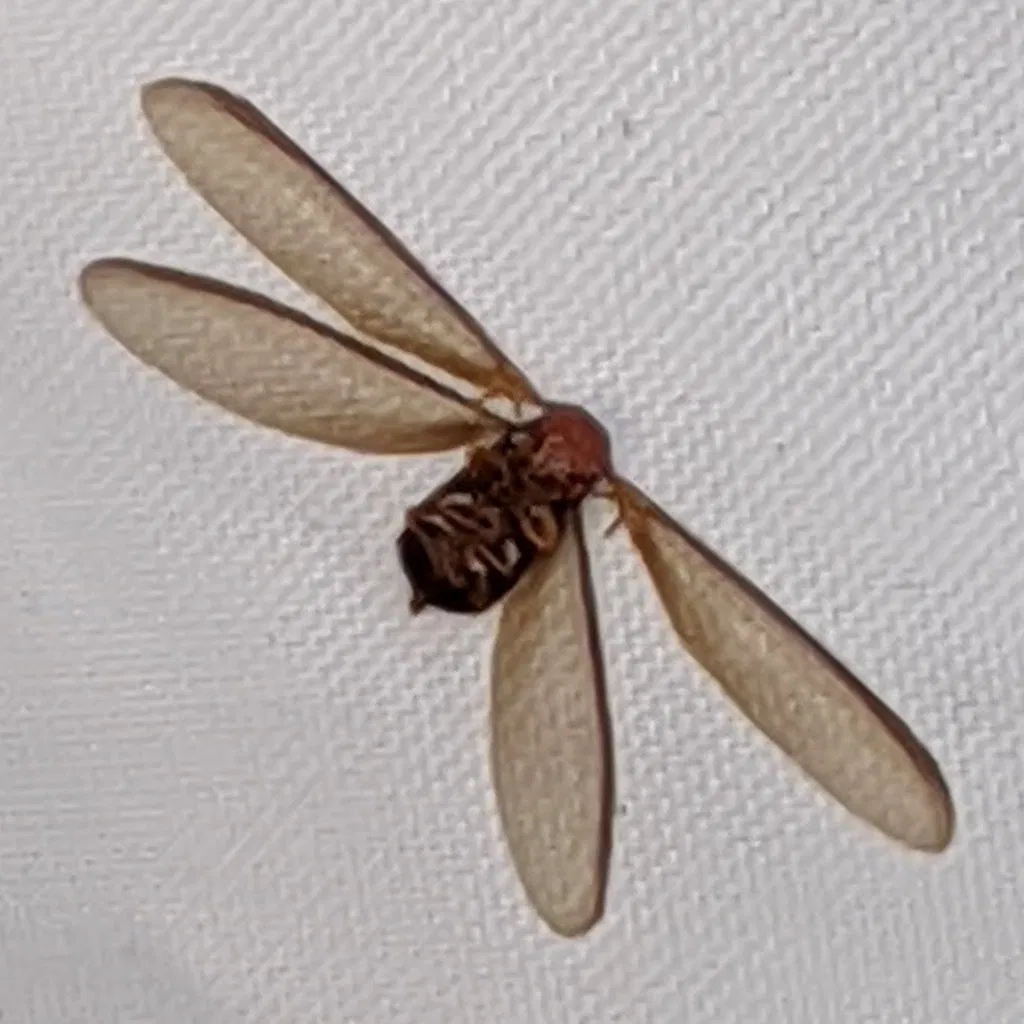
| Swarm timing | Season, time of day, weather, elevation, and local climate can shift when winged termites appear. |
| Evidence route | Mud tubes, hard pellets, damp or decayed wood, and repeated indoor swarmers point toward different inspection questions. |
| Treatment planning | Soil access, foundation type, colony location, drywood extent, moisture, and fumigation rules affect the professional route. |
| Licensing and reports | State agencies use different license categories, transaction forms, inspection scopes, and guarantee language. |
Termite Swarm Season and Home-Sale Termite Reports by State
This quick-reference table pulls together two things homeowners ask about most: when winged termites usually appear in each state, and which termite inspection report is used when a home is sold. Each row is summarized from our state guide, which cites the state’s extension service and regulator. Swarm months are typical windows, not guarantees, and report rules can change, so confirm the requirements with your contract, your lender, and the state agency. Last reviewed November 2026.
Scroll the table sideways to see every column.
| State | Native subterranean swarms | Other swarms to know | Termite report in a home sale | State regulator |
|---|---|---|---|---|
| Alabama | In daylight, often on warm days after rain | Formosan: April to June, depending on latitude | Official Alabama Wood Infestation Inspection Report; lenders may require it | Alabama Department of Agriculture and Industries |
| Arizona | Arid-land subterranean: a few flights January to March below 4,000 feet; June and July above 4,000 feet | Desert subterranean: at dusk after monsoon rains, July to September | No sale form in our guide; treatments are reported on a Termite Action Report Form, searchable by address for the last three years | Arizona Department of Agriculture, Pest Management Division |
| Arkansas | March to May, in daylight after rain | — | Letters of clearance on the current HUD Wood Destroying Insect Infestation Inspection Report | Arkansas State Plant Board |
| California | Spring or fall, in daytime after a soaking rain | Western drywood: summer and fall, in daytime; dampwood: summer and fall, often after dark | Wood Destroying Pests and Organisms Inspection Report; not required for every sale, but many lenders require one | Structural Pest Control Board |
| Florida | January to May is the broad peak | Formosan: early April to late June after sunset, often peaking in May; West Indian drywood: April to July | Wood-Destroying Organisms Inspection Report, form FDACS-13645 | Florida Department of Agriculture and Consumer Services |
| Georgia | As early as January; mostly finished by early June | Formosan: mid-May to early June, at dusk | Official Georgia Wood Infestation Inspection Report (the “termite letter”); not mandatory for every sale | Georgia Department of Agriculture, Structural Pest Control |
| Hawaii | Formosan is the main subterranean pest | Formosan: peaks in May on Oʻahu, on warm, calm evenings | Termite Inspection Report (state form PC-09), considered reliable for no more than 15 days | Board of Pest Control, Department of Commerce and Consumer Affairs |
| Kentucky | Spring, after warmer temperatures and rain | — | A termite inspection or infestation report is normally a condition of sale | Kentucky Department of Agriculture |
| Louisiana | January to March, in daylight | Formosan: April to June, peaking early to mid-May; drywood: May and June | Wood Destroying Insect Report (WDIR) | Louisiana Department of Agriculture and Forestry, Structural Pest Control Commission |
| Mississippi | Coast: from late January, peaking late February to early April; north: April to June | Formosan: late April to mid-May in south Mississippi, into June in central Mississippi | Official Wood Destroying Insect Report; most lenders require one when an existing home is sold | Mississippi Department of Agriculture and Commerce |
| Missouri | Spring, usually on a warm, sunny day after rain | — | No state sale form in our guide | Missouri Department of Agriculture, Bureau of Pesticide Control |
| North Carolina | Several native species: combined swarming from late winter into September or October | — | Wood-Destroying Insect Information Report (WDIR-100) | North Carolina Department of Agriculture and Consumer Services |
| Oklahoma | March to May; less predictable swarms in September or October | — | Form ODAFF-1, Oklahoma Official Termite and Wood Destroying Insect Report | Oklahoma Department of Agriculture, Food and Forestry |
| South Carolina | Early spring, in daylight | Formosan: late spring, at night, drawn to lights | CL-100, the Official South Carolina Wood Infestation Report; valid for 30 days | Clemson University Department of Pesticide Regulation |
| Tennessee | March to May, in daylight | Light southeastern subterranean: usually August to October | Wood Destroying Insect Infestation Inspection Report | Tennessee Department of Agriculture |
| Texas | From January in South Texas; April or May in the Panhandle | Formosan: May and June nights; drywood: late summer and early fall | SPCS/T-5 Wood Destroying Insect Report | Texas Department of Agriculture, Structural Pest Control Service |
A termite report describes visible evidence on one date; it is not a warranty or a termite bond. For what the inspection covers, see the termite inspection before buying a house and how to read a termite inspection report. For timing by species and region, see when is termite season. You are welcome to cite this table with a link to this page.
If Your State Is Not Listed Yet
Do not borrow a neighboring state’s conclusion as proof for your property. Use visible evidence to choose the right starting route, then verify local species and licensing information with university extension and your state regulator.
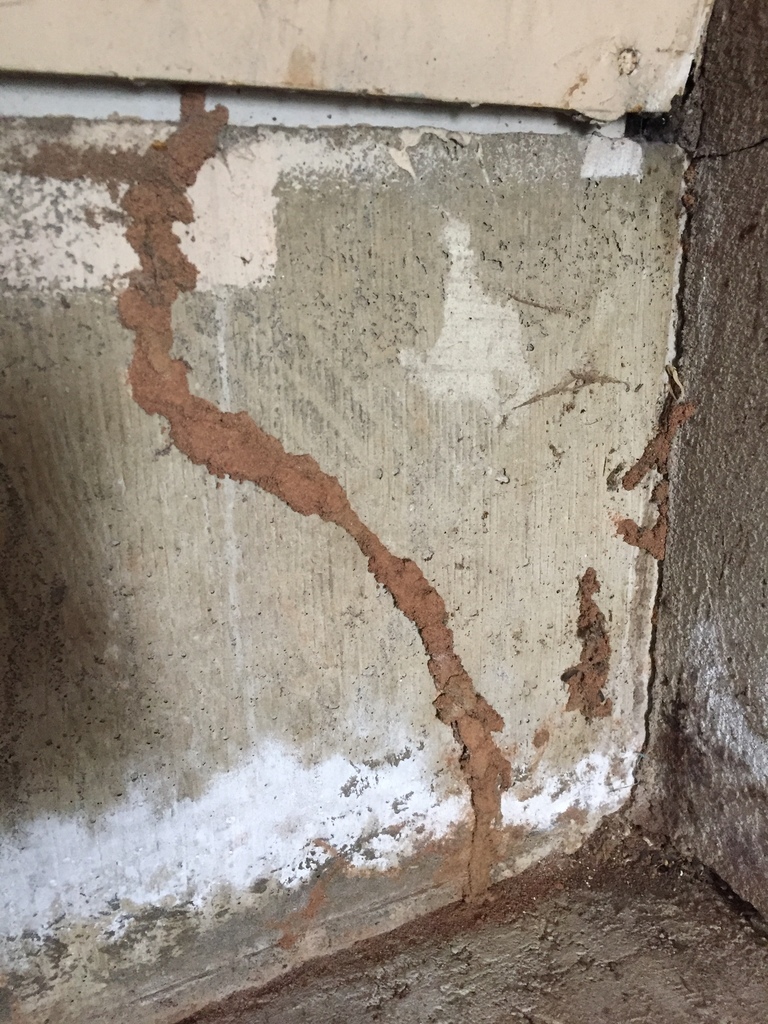
Check mud tubesCompare a subterranean clue with old or inactive damage.
Check pellets and debrisSeparate drywood frass from common look-alikes.
Choose the next stepRoute the finding toward monitoring, inspection, or professional help.
How We Build State Guides
TermitePlan uses university extension, state regulators, and primary rules for regional claims. Each guide separates documented distribution from what a homeowner can prove from visible evidence, and it avoids declaring a species, hidden extent, or treatment plan from location alone. Read our Methodology.