
Natural Termite Treatment: Which Home Remedies Work and Which Don’t
Short Answer
Most “natural” termite remedies do not reach the colony. Subterranean termite colonies live in the soil, and drywood colonies hide inside wood, so sprays of orange oil, vinegar, or soapy water kill only the termites they touch. University of California IPM states that do-it-yourself pesticides for termites are generally not effective, and it reports that lab and field tests question the efficacy of orange oil’s active ingredient, d-limonene.
The non-chemical steps that do help are less exciting: remove wood-to-soil contact, fix leaks and drainage, pull mulch and debris away from the foundation, and break up mud tubes so an inspector can see new activity. Borate wood treatment protects bare wood it is applied to. If termites are already in the house, get a licensed inspection before choosing any remedy.
Why Home Remedies Usually Fall Short
The termites you see are a small fraction of the colony. Subterranean workers travel from a colony in the soil through mud tubes, and drywood termites live in galleries inside furniture, trim, and framing. A remedy that kills the workers on the surface leaves the rest of the colony feeding out of sight. NC State Extension makes the same point about surface sprays: treating visible swarmers or accessible wood does not protect hidden wood or prevent further attacks.
Ohio State University Extension adds that homeowners seldom have the experience, pesticides, and equipment needed for effective termite treatment, which is why it recommends professional firms. That does not mean homeowners can do nothing. It means the most useful home work is prevention and documentation, not chasing termites with a spray bottle.
Common Natural Remedies, Rated
Scroll the table sideways to see every column.
| Remedy | What the evidence says | Bottom line |
|---|---|---|
| Orange oil (d-limonene) | Offered as a localized drywood treatment. UC IPM reports that lab and field tests from two universities question the efficacy of d-limonene | At best a spot treatment for drywood termites in a known, accessible spot; not a colony or whole-house solution |
| Neem oil and other plant oils | UC IPM lists neem oil, alongside orange oil, among botanical products that have been tried; it does not describe either as reliable | Not a substitute for an inspection or a labeled treatment |
| Beneficial nematodes | Ohio State Extension says nematodes kill termites in the lab, but control is often quite variable in the field; termites can wall off infected nestmates, and soil moisture and type limit the nematodes | Unreliable for protecting a house |
| Fungus products (Metarhizium) | Ohio State Extension notes a product was labeled only for above-ground use, leaves no lasting residual, and had insufficient research behind it | Not proven for homeowners |
| Vinegar, soapy water, salt, bleach | We found no extension, EPA, or label guidance supporting these for termite control | Kills only termites it touches; can damage wood, finishes, and plants |
| Cardboard “traps” | Cardboard attracts termites; OSU Extension tells homeowners to remove paper and cardboard near the house for that reason | Collects a few workers; does not reach the colony and may draw termites closer |
| Borate wood treatment | Ohio State Extension says borates such as disodium octaborate tetrahydrate protect bare wood from termites and decay and can be applied by homeowners, but they wash out with repeated wetting | A real preventive option for exposed wood; not a soil barrier or a cure for an active colony |
| Sunlight, heat, or freezing items | UC IPM describes heat as a recognized drywood method only when the core of all infested wood reaches a lethal temperature | Small items can sometimes be handled by a professional; home attempts are hard to verify |
Products sold as “minimum risk” are exempt from federal registration because EPA determined their ingredients pose little or no risk, so they will not carry an EPA registration number. That exemption is about risk, not proof that a product controls termites.
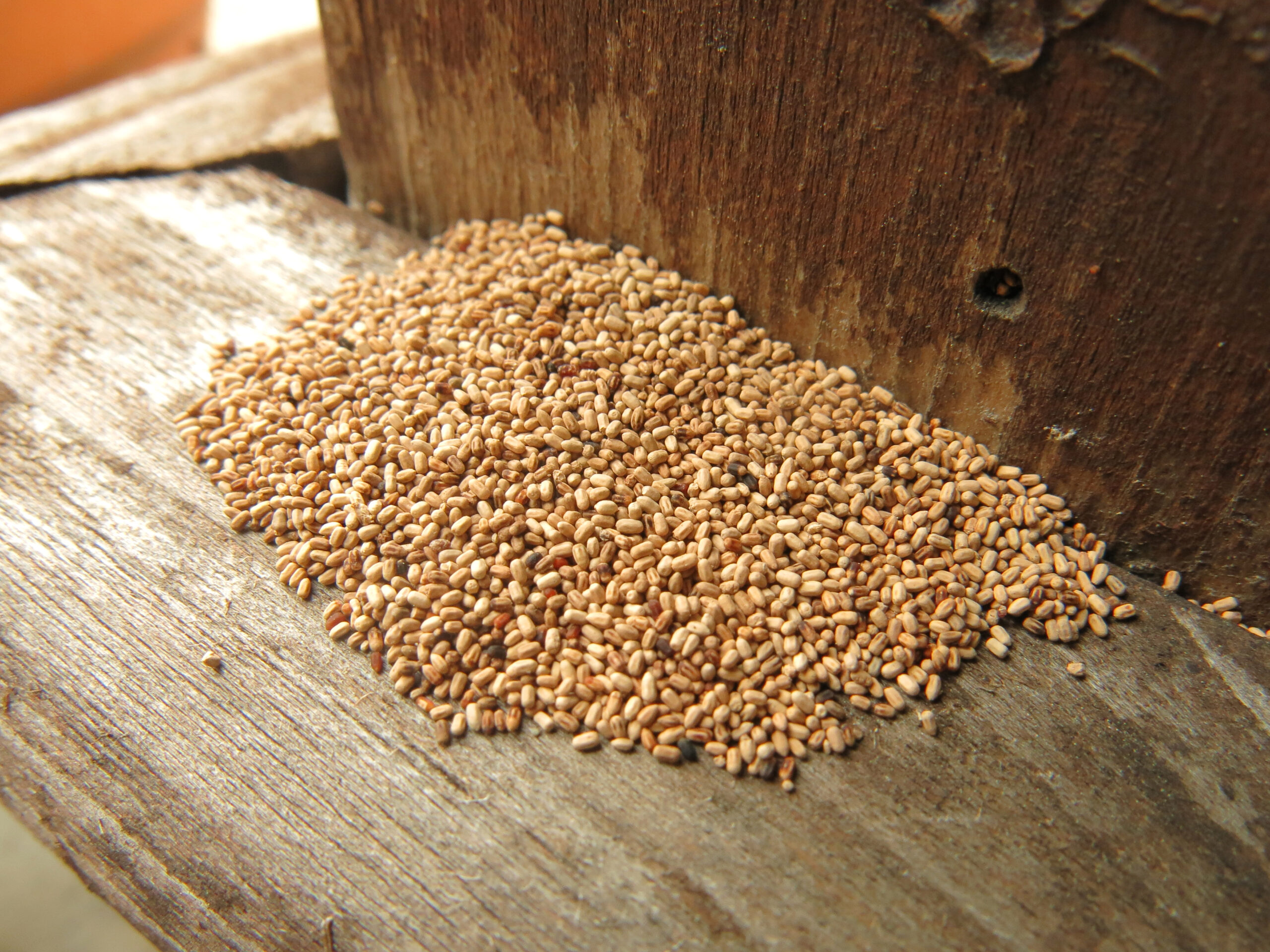
Orange Oil and Other Spot Treatments for Drywood Termites
Orange oil is the best-known natural remedy, and it is mainly offered for drywood termites. UC IPM groups it with other localized treatments, along with electrocution, microwaves, and spot heat. These methods treat only the wood they reach. UC IPM rates electrocution and microwaves as highly variable in the field and stresses that detection accuracy is critical, because a localized treatment cannot guarantee it reached every hidden infestation.
If an inspection finds a small, accessible drywood infestation, a localized treatment may be reasonable. If pellets appear in several rooms, the comparison is usually whole-structure treatment. Our guides to termite treatment without tenting and termite fumigation explain the trade-offs, and the drywood termite guide covers the signs.
What Actually Helps Without Pesticides
UC IPM and OSU Extension list practical, non-chemical steps that make a house less attractive and keep new activity visible. These are worth doing whether or not you treat.
Break wood-to-soil contact
Remove wood touching soil, stored lumber, and buried scrap wood near the house. UC IPM says substructural wood should ideally be at least 12 inches above the soil.
Fix moisture
Repair leaks, ventilate and dry crawl spaces, keep gutters clear, and point downspouts away from the foundation. Moisture draws termites and decay.
Pull back mulch and debris
OSU Extension recommends raking wood-chip mulch back about 6 inches from exterior walls and removing wood debris, dead shrubs, paper, and cardboard from beds near the house.
Break mud tubes
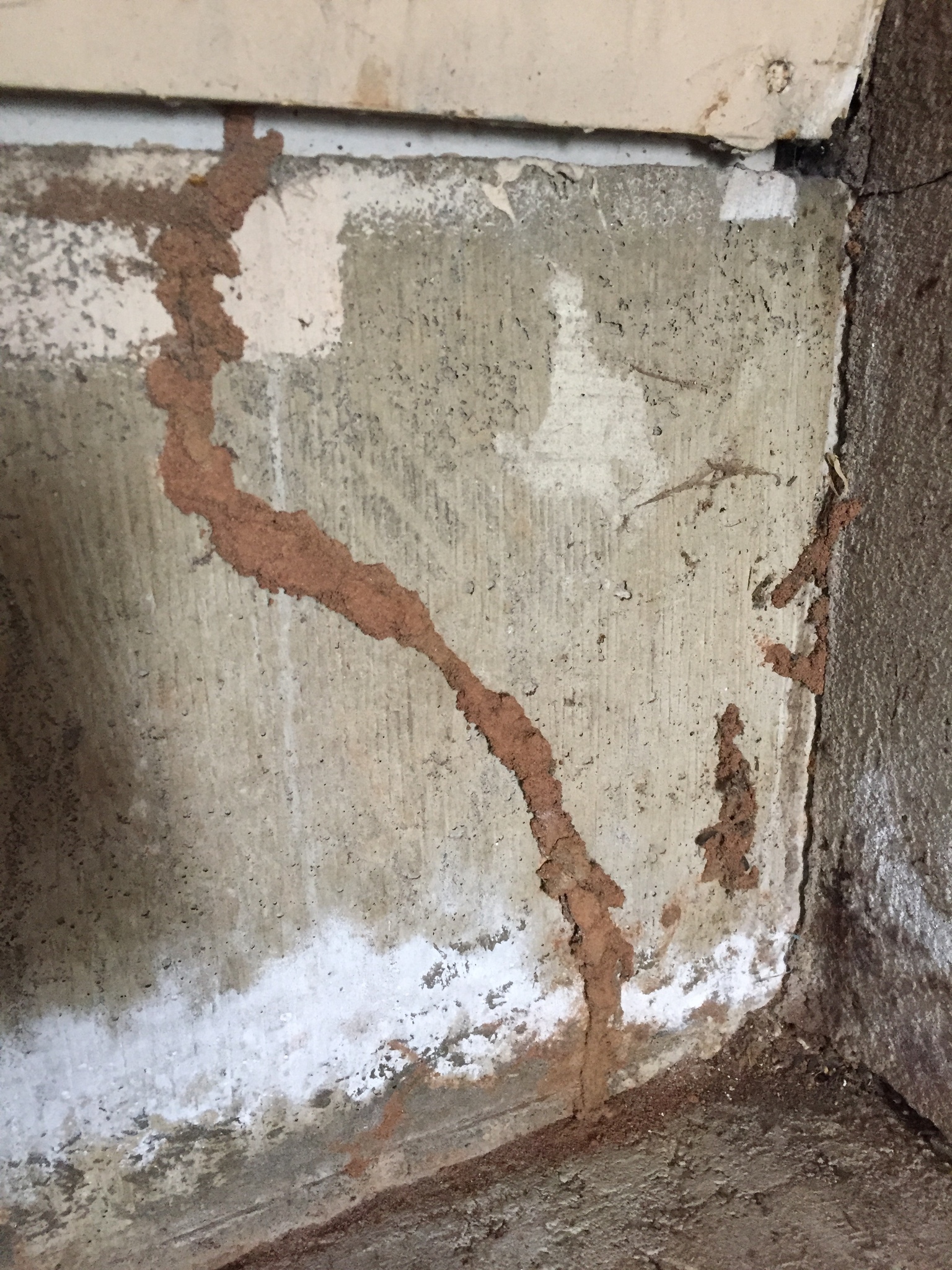
UC IPM recommends destroying shelter tubes whenever possible to interrupt access. Photograph them first, then check whether they are rebuilt; rebuilt tubes mean active termites.
For new construction, UC IPM also describes a physical barrier of coarse sand or other inorganic material at least 12 inches thick between the soil and structural wood. Physical barriers are covered in our pre-construction termite treatment guide, and the full prevention checklist is in how to prevent termites around your home.
Borate: The Low-Toxicity Option With Real Support
Borate wood treatments are often what people mean when they ask for a gentler termite product. Ohio State Extension says borates such as disodium octaborate tetrahydrate protect wood against termites and decay fungi and can be applied by homeowners. The limits matter: borates dissolve in water, so treated wood needs protection from repeated wetting, and a wood treatment protects only the wood it reaches. Termites can still attack untreated wood elsewhere in the structure.
That makes borate a good fit for bare framing during a renovation, exposed wood in a crawl space, or new lumber, not for a slab home with termites in the walls. Our comparisons of Bora-Care vs. Tim-bor and the borate wood treatment guide cover the products and their labels.
Safety note: “Natural” does not mean harmless. Concentrated oils, borates, and salt can irritate skin and eyes, harm pets and plants, and damage finishes. Follow any product label, keep children and pets away from treated areas until dry, and see our guide to termite treatment safety for pets and kids.
When to Stop Trying Home Remedies
- Swarmers inside the house, especially in spring. See termite swarmers inside your house.
- Mud tubes that come back after you break them.
- Fresh pellets after you clean up, in the same spot or in new rooms.
- Damaged structural wood, soft floors, or sagging framing. See how to assess and repair termite damage.
- A home sale or inspection deadline, when you need documented treatment.
No active termites found yet
Focus on prevention: moisture, mulch, wood-to-soil contact, and regular checks. Consider borate on exposed wood you are already working on, and schedule a professional inspection on a regular cycle.
Active termites in the house
Skip the home remedies and get a licensed inspection. Ask which termite you have, how far it has spread, and which treatments fit, including lower-impact options such as baits or localized treatment where they are appropriate.
Our DIY vs. professional guide helps you decide where the line is, and the termite treatment types guide compares the professional options.
Your Next Step
Before buying any remedy, find out which termite you have and how far it has spread. Photograph what you found, fix any leaks and mulch problems around the foundation this week, and book a licensed inspection if you see swarmers, rebuilt tubes, or fresh pellets.
Common Questions
Does vinegar kill termites?
Vinegar can kill termites it soaks directly, but we found no extension or EPA guidance supporting it for termite control. It cannot reach a colony in the soil or inside wood.
Does orange oil get rid of termites?
It is used as a localized drywood treatment, but UC IPM reports that university lab and field tests question the efficacy of its active ingredient. It treats only the galleries it reaches.
Do beneficial nematodes work on termites?
Ohio State Extension says they work in the lab but give quite variable control in the field, partly because termites wall off infected nestmates and soil conditions limit the nematodes.
What is the most natural treatment that works?
Prevention comes first: dry the house, remove wood-to-soil contact, and keep mulch back. For wood protection, borates have real extension support. For an active colony, professional bait systems are a lower-impact option to ask about.
Is boric acid the same as borate wood treatment?
They are related boron compounds, but termite wood treatments are specific labeled products, usually disodium octaborate tetrahydrate, applied to bare wood. Follow the product label rather than sprinkling powders around the house.
Sources and Further Reading
- UC IPM — Pest Notes: Drywood Termites (Publication 7440)
- UC IPM — Pest Notes: Subterranean and Other Termites (Publication 7415)
- Ohio State University Extension — Termite Control (HYG-2092-03, archived copy)
- Oklahoma State University Extension — Termite Swarming Season (2008)
- NC State Extension — Termites: Biology and Control
- U.S. EPA — Minimum Risk Pesticides