
Is Termite Treatment Safe for Pets and Kids? What Each Method Means at Home
Short Answer
A professional termite treatment applied according to the label is designed to keep exposure low, but “safe” depends on the method and on what your household does during and after the visit. For most liquid, foam, and borate treatments, the key rule from the National Pesticide Information Center (NPIC) is simple: keep pets and children away from treated areas until the product is completely dry and the area has been well ventilated, and follow the re-entry time the applicator gives you.
Some situations need more. For fumigation, every person, pet, fish, and houseplant leaves the house. Tell the company about any well, cistern, pond, or foundation drain before treatment, because soil termiticides must be kept out of water. Ask for the product label and the re-entry time before work starts.
Why Pets and Children Need Extra Care
NPIC explains that young children can be more exposed and more sensitive to pesticides than adults. They spend more time near the floor and the ground, they put hands and toys in their mouths, and their organs and nervous systems are still developing. Pets share many of the same habits: they lie on floors, dig in soil, and lick their paws.
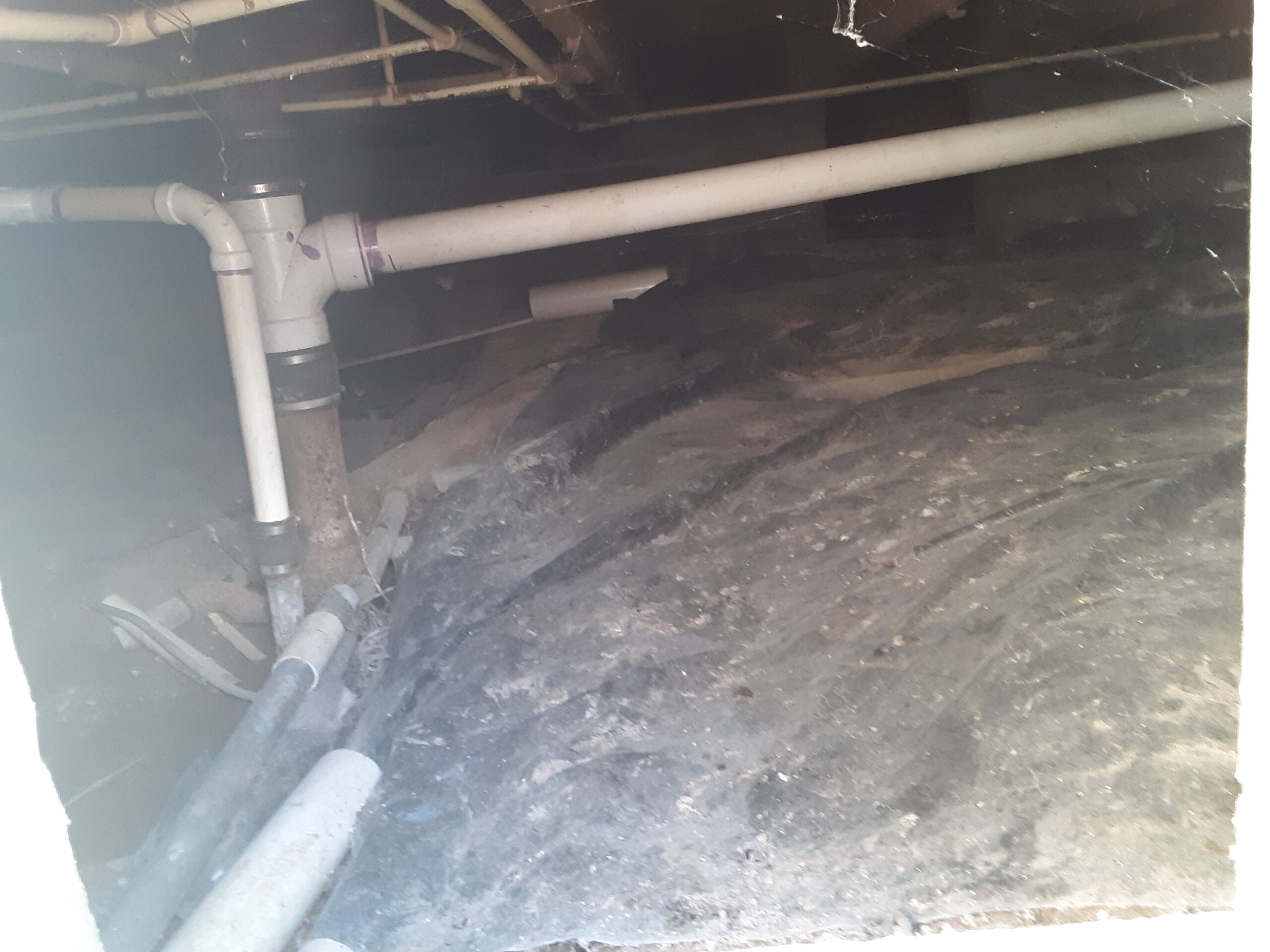
Termite treatments are mostly placed where people rarely touch them, in soil along and under the foundation, inside wall voids, or in bait stations. The exposure risk comes mainly from freshly treated surfaces, disturbed treated soil, spills, and re-entering too early. That is why the steps below focus on timing and access.
What Each Treatment Method Means for Pets and Kids
Your applicator’s instructions and the product label come first. This table summarizes common situations.
Scroll the table sideways to see every column.
| Method | Where it goes | What to do with pets and kids |
|---|---|---|
| Liquid soil treatment outside | Trenched or rodded into soil along the foundation | Keep them out of the treated strip until it is dry and the soil is back in place; stop dogs from digging there |
| Liquid treatment through a slab or in a crawl space | Drilled holes in concrete, or soil around piers and foundation walls | Keep them out of the rooms or crawl space being treated; ask how holes are sealed and when rooms can be used again |
| Foam in wall voids | Injected into voids and galleries | Keep them out of the room during and after application, until the applicator says it is clear |
| Borate on bare wood | Sprayed or brushed on exposed framing, decks, or fences | Keep them off treated wood until it is completely dry |
| Bait stations | Stations set in the ground around the house | Low contact, but do not let pets dig up or chew stations; report damaged ones to the company |
| Whole-house fumigation | Gas fills the tented house | Everyone leaves, including pets, fish, birds, reptiles, and houseplants, until the re-entry notice is posted |
| Whole-structure heat | Hot air heats the house | Everyone leaves during treatment, usually for hours rather than days |
Our termite treatment types guide compares how these methods work, and bait stations vs. liquid treatment covers the trade-offs between the two most common options.
Before the Technician Arrives: A Checklist
Ask the right questions
EPA advises asking to see the company’s state license, asking for a copy of the product label, and confirming when you can re-enter. NPIC adds: ask which products will be used and what risks they pose to your pets.
Move pets and their things
NPIC advises removing pets from the area before application, along with toys, chew bones, food and water bowls, and bedding.
Protect fish tanks
Cover aquariums so liquid and vapors cannot get in. Fish are especially sensitive to some termiticides.
Mention water sources
Tell the company about any well, cistern, pond, or foundation drain on the property, even if it is unused.
Plan where children and pets will be during the visit. For an outside-only liquid treatment, that may simply mean keeping them indoors or away from the work area. For treatment inside the house, a few hours elsewhere is often easiest; ask the company what it recommends for the specific product.
After Treatment: When Is It OK to Let Them Back?
EPA says the wait before reoccupying a treated home varies by product and is stated on the label, and that the applicator should tell you when you may re-enter. NPIC’s general rule for pets is to keep them away from treated areas until the pesticide is completely dry and the area has been well ventilated. NPIC gives the same advice for children and adds practical habits: keep toys out of treated areas, put a blanket or shoes between skin and recently treated surfaces, and wash hands before eating.
- Treated soil: once it is dry and covered, keep pets from digging along the foundation, and do not use soil from that strip for gardens.
- Drilled slabs: make sure holes are plugged before children and pets use the room again.
- Spills or wet patches: if you see liquid pooling indoors or a strong odor that does not fade, keep everyone out of the area and call the company.
- Bait stations: NPIC notes, in its advice on baits generally, that pets often dig up buried baits. Check stations after the dog has been in the yard and report any that are damaged or open.

Fumigation: Pets Must Leave
NPIC says sulfuryl fluoride, the gas used for whole-house fumigation, can be toxic to all living things. People, pets, fish, reptiles, and houseplants must leave, and food, pet food, and medicine must be removed or sealed in special bags unless they are in unopened airtight containers. NPIC also suggests asking neighbors to keep their pets and children away during fumigation and aeration. Board pets or arrange a stay with family until the company says the house is cleared. Our termite fumigation guide has the full preparation checklist, and termite treatment without tenting explains when localized options may work.
Wells, Ponds, and Drains
NC State Extension says soil termiticide treatments must always avoid contaminating water sources. Labels and local codes may prohibit or limit soil treatment when a well or cistern is under the house or within a set distance, which NC State gives as 50 feet for a private well and 100 feet for a public well, even if the well is unused. Foundation drains can carry termiticide to yards, ditches, or ponds where they empty.
When these restrictions apply, companies may use a treated-backfill method or a bait system instead. Tell the company about every water source before it gives you a quote, and ask how it will handle them. This matters for pets too: dogs drink from ponds and puddles, and NPIC lists fipronil, a common termiticide ingredient, as highly toxic to fish.
Safety note: Do-it-yourself soil treatments carry the highest risk of spills, overapplication, and well contamination around a household with children and pets. EPA notes that in most cases termiticides can only be properly applied by a trained pest management professional. See DIY termite treatment vs. professional before buying a product.
What Fact Sheets Say About Common Ingredients
Product names vary, but many liquid termiticides use one of a few active ingredients. NPIC’s fact sheets summarize what is known; they were last reviewed in 2009 and 2010, so ask NPIC or your veterinarian about newer findings.
- Fipronil: NPIC says it is more toxic to insects than to people and pets, and highly toxic to fish, aquatic invertebrates, and honey bees. In soil, about half breaks down in roughly 125 days, and it binds tightly to soil.
- Imidacloprid: NPIC says it is very toxic to honeybees, slightly toxic to fish, and not very toxic to birds, and that it can last months or years in soil. Animals that swallowed it vomited or drooled, and large doses caused tremors and unusual tiredness.
These facts describe the ingredients, not a particular application. Exposure from soil placed along a foundation is very different from swallowing a concentrate, which is another reason to keep product containers and mixing equipment away from children and pets.
If You Think a Pet or Child Was Exposed
- Child or adult: call Poison Control at 800-222-1222. Have the product label or name ready.
- Pet: call your veterinarian right away and tell them the product name.
- Questions: NPIC answers questions about pesticide products and health effects at 800-858-7378.
- Misapplication: EPA advises reporting a misapplication to your state pesticide regulatory agency.
Outside-only or bait treatment
Ask for the label and the re-entry time, keep pets and children away from the treated strip until it is dry, and check bait stations after the dog has been outside.
Treatment inside or fumigation
Plan for pets and children to be away during the work, cover or move aquariums, remove bowls and toys, and wait for the applicator’s all-clear before anyone returns.
Our questions to ask a termite company include what to ask about products and re-entry. If you are deciding when to retreat, see how long termite treatment lasts. This guide is general safety information, not medical or veterinary advice.
Your Next Step
Before your treatment is scheduled, ask the company three questions: which product it will use and can you have the label, where exactly it will be applied, and when pets and children can return to each area. Tell it about any well, pond, or drain, and plan where pets will stay during the visit.
Common Questions
How long should pets stay away after termite treatment?
Until the treated area is completely dry and well ventilated, and longer if the label or the applicator says so. The re-entry time varies by product.
Can I stay home during termite treatment?
It depends on the method. For many outside-only liquid or bait treatments, people stay home and keep away from the work area. For treatment inside the house, follow the company’s re-entry instructions. For fumigation, no one stays.
Are termite bait stations safe around dogs?
Stations put the bait inside a closed station in the ground, so contact is low. Keep dogs from digging up or chewing stations and report any damaged ones to the company.
Is termite treatment safe for a baby or during pregnancy?
Ask the company for the product label and call NPIC at 800-858-7378 or your doctor with specific questions. Keep infants and toddlers out of treated areas until they are dry and ventilated.
Does termite treatment harm fish or birds?
NPIC lists fipronil as highly toxic to fish. Cover or move aquariums, and tell the company about ponds and drains. For fumigation, fish and birds must leave the house.
Sources and Further Reading
- U.S. EPA — Termites: How to Identify and Control Them
- National Pesticide Information Center — Pets and pesticide use
- National Pesticide Information Center — Children and pesticides
- National Pesticide Information Center — Fipronil General Fact Sheet
- National Pesticide Information Center — Imidacloprid General Fact Sheet
- National Pesticide Information Center — Structural Fumigation
- NC State Extension — Termites: Treating Houses with Wells, Cisterns or Foundation Drains (rev. 2022)