
Termites in Arizona: Types, Monsoon Swarms, Treatment Records, and Next Steps
Short Answer
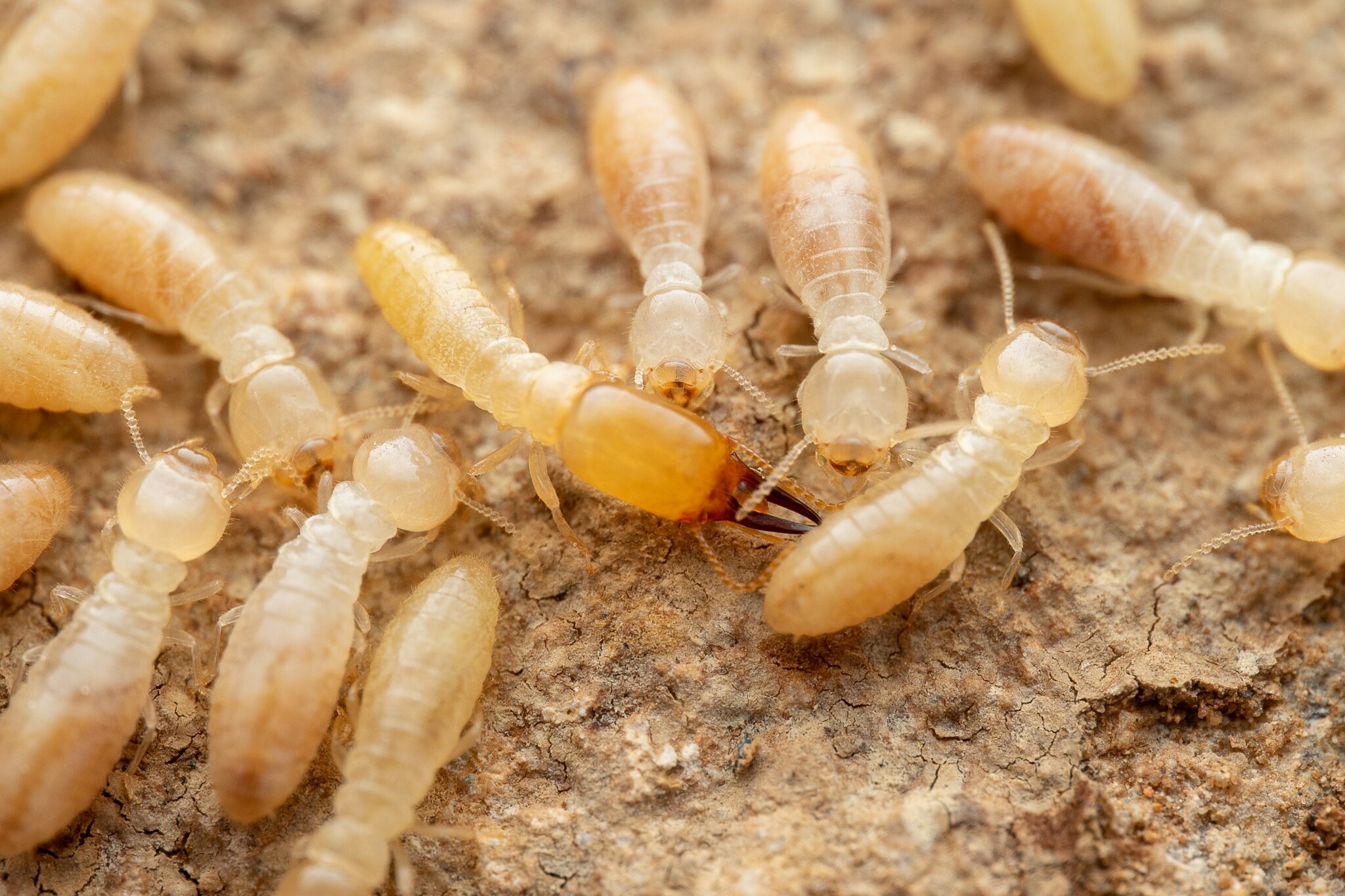
The termite that does the most damage in Arizona is the desert subterranean termite, a pale, yellowish species that swarms at dusk after monsoon rains from July through September and builds small, light-colored mud tubes up stem walls. The arid-land subterranean termite is the main subterranean pest around Flagstaff, and two western drywood termites infest dry wood above ground, leaving piles of hard pellets. Desert termites that coat dead plants and fences with thin earthen crusts are generally not structural pests.
If you find tubes on the stem wall or swarmers inside, schedule an inspection with a company licensed by the Arizona Department of Agriculture’s Pest Management Division. Arizona also makes termite treatment records public: you can search an address for treatments reported in the last three years.
What Termites Live in Arizona?
University of Arizona Cooperative Extension says at least 17 termite species occur in Arizona, but only a few are of real economic importance. These are the ones homeowners are most likely to meet.
- Desert subterranean termite (Heterotermes aureus), which UA Extension calls the most destructive termite in Arizona and the state’s top urban economic pest. It attacks cactus ribs, desert trees, utility poles, posts, and structural timbers. Adults are pale yellowish brown.
- Arid-land subterranean termite (Reticulitermes tibialis), widely distributed and the most common subterranean pest in the Flagstaff area. It feeds on creosote and greasewood in the wild, so homes built where those plants were cleared can be at risk. Swarmers are dark brown to black. See our subterranean termite guide.
- Dark western drywood termite (Incisitermes minor) and light western drywood termite (Marginitermes hubbardi), which live inside dry, sound wood that does not touch the ground, often around door and window frames. See our drywood termite guide.
- Desert dampwood termite (Paraneotermes simplicicornis), which attacks moist wood and can damage untreated poles and fence posts but is not a major pest of structures.
- Desert termites (Gnathamitermes perplexus and Amitermes wheeleri), occasional nuisances that UA Extension does not consider serious economic pests.
When Do Termites Swarm in Arizona?
Arizona has more than one termite season. UA Extension gives these windows.
Desert subterranean
July through September, at dusk, after monsoon rains. This is the swarm most people in the low deserts notice.
Arid-land subterranean
Depends on elevation: a small number of flights from January to March below 4,000 feet, and a summer swarm in June and July above 4,000 feet. Flights happen in daylight.
Western drywood
The dark western drywood flies on bright, sunny days from June through August; the light western drywood flies at dusk from June into September. Neither is tied to rain.
Desert and dampwood termites
Desert termites fly during the day, usually after a summer rainstorm. The desert dampwood termite flies at dusk from late May through September, often the evening after a strong rain.
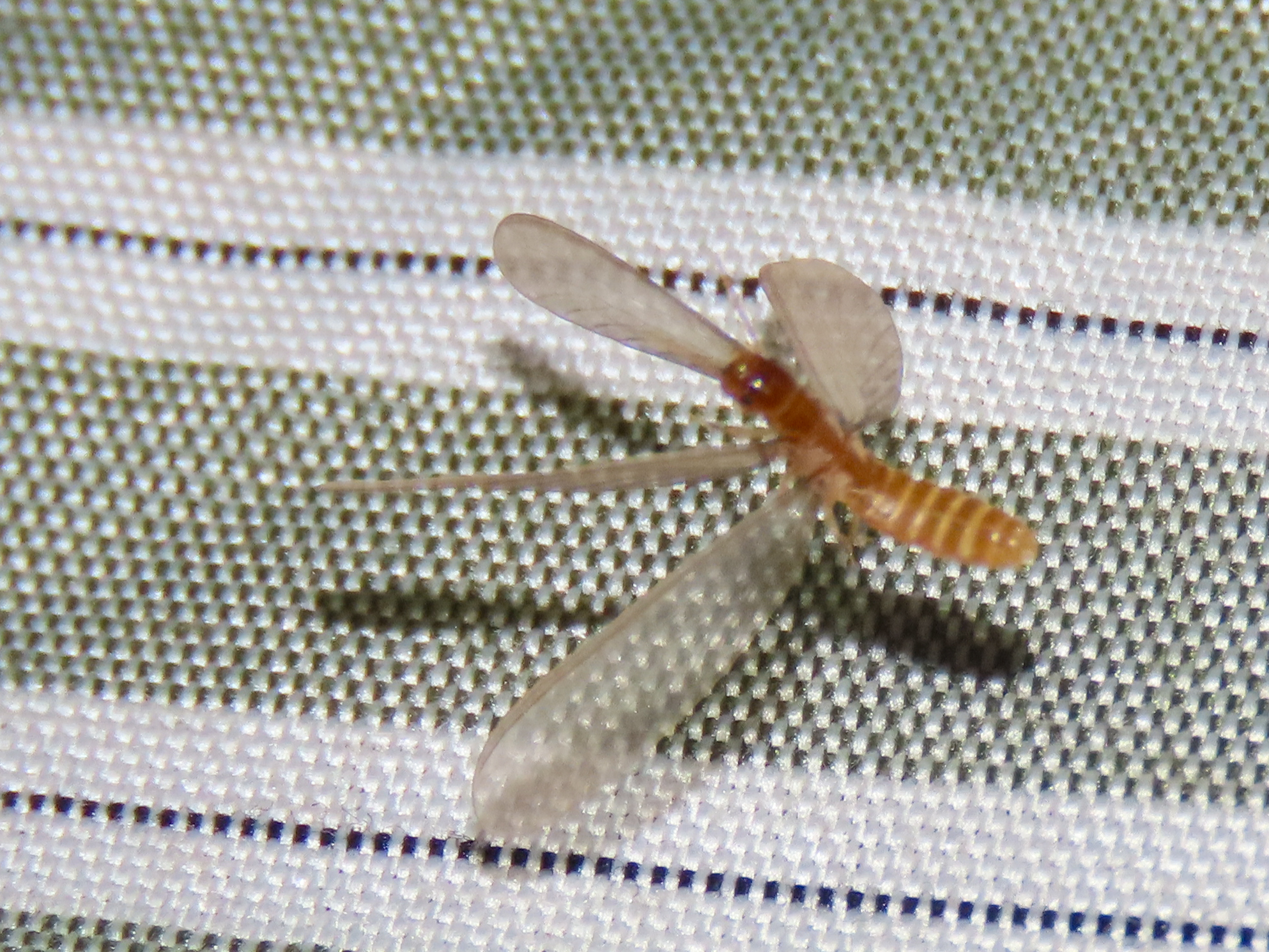
Our termite season guide compares Arizona with other regions, and flying ants vs. termites helps you check what flew in after a storm.
Signs of Termites in Arizona Homes
Scroll the table sideways to see every column.
| What you found | What it may mean | Next step |
|---|---|---|
| Small, round, light-yellow mud tubes on the stem wall, sometimes more than 2 feet long | Desert subterranean termites | Photograph them and schedule a licensed inspection |
| Tubes hanging down from a ceiling | Desert subterranean “drop tubes” | Leave them intact for the inspector |
| Flatter, darker brown tubes, especially at higher elevations | Arid-land subterranean termites | Have the foundation and crawl space inspected |
| Piles of hard, tiny pellets below small holes in wood trim or furniture | Drywood termites | Ask the inspector to check for drywood activity |
| Thin, plaster-like earthen crusts on a palm trunk, fence, or dead plants | Desert termites feeding on dead material | Usually not treated unless they are inside the structure |
| Swarmers indoors after a monsoon storm | Possible infestation in the building | Save a few specimens and call a licensed company |
UA Extension notes that a mud tube on the outside stem wall is a good indicator of subterranean termites, and that tapping infested wood with a screwdriver may reveal hollow-sounding wood. Our mud tubes vs. old damage guide and termite droppings vs. frass explain what to look for.
Safety note: UA Extension advises homeowners not to treat termites themselves and to get estimates from several pest management professionals. Do not break into walls or apply soil termiticides yourself, and do not disturb tubes before an inspection.
How Termites Are Treated in Arizona
UA Extension describes two main routes. Subterranean termites are treated with liquid termiticides, applied by rodding, trenching, and treating under slabs, or with bait systems that need ongoing monitoring. Drywood termites are handled by replacing infested wood or by fumigation. Our guides to bait stations vs. liquid treatment, termite fumigation, and how long termite treatment lasts explain the trade-offs.
Inspection timing matters in a desert climate. UA Extension recommends inspecting the stem wall about twice a year, in spring (especially after a wet winter) and near the end of the monsoon season, and having a pest management professional inspect the house every year even without a known problem.
Arizona Treatment Records Are Public
When a licensed company treats a property for termites, it reports the treatment to the Pest Management Division on a Termite Action Report Form (TARF). The Arizona Department of Agriculture says these reports are public records. Its Termite Treatment History Search lets anyone look up an address for treatments reported in the last three years.
- Buying a home: search the address before closing to see whether it was treated recently, and compare that with what the seller and the inspection report say.
- After treatment: check that your own treatment appears, and keep your copy of the paperwork with your warranty.
- Older history: the search covers only recent years, so ask the seller and any previous company for older records.
If termites come back after a treatment, the Department’s termite recurrence guide says to contact the company and raise your concerns with management first. It also notes that the Pest Management Division does not handle contract disputes, and that your contract states whether the company will pay for damage. Our guide to termite bonds explains common contract terms.
Buying a Home: Arizona’s Wood-Destroying Insect Inspection Report
Arizona’s WDIIR is the termite report most lenders ask for when a home is sold. The Department notes that state law does not require one for a sale, but it does set minimum standards for what the report must contain.
- Who may complete it: only an applicator certified in wood-destroying organism management, working for a licensed business. A person may not complete a report on property they own or occupy.
- What is inspected: all visible and accessible areas of the structure, including crawl spaces. Every area that was not inspected, and the reason, must be noted on the report.
- Conducive conditions: the rule lists faulty grade, a sub-area with less than 24 inches of clearance, excessive cellulose debris such as stumps or firewood and lumber within 6 inches of the structure, earth-to-wood contact, and excessive moisture.
- What it does not promise: the statute says the report is evidence of what was visible and accessible on the inspection date and is not a guarantee about conditions afterward. The Department adds that it is not a structural damage report.
- Records: the company must keep a copy for three years.
Our guides to a termite inspection before buying a house and how to read a termite inspection report explain common findings. This section summarizes state law and rules and is not legal advice.
Building in Arizona
UA Extension recommends removing stumps and large roots within 25 feet of the house, grading for drainage away from the foundation, compacting soil under concrete, avoiding stucco that runs below grade, and pouring concrete within 24 hours of the soil treatment. See our pre-construction termite treatment guide.
Living in an existing home
Check the stem wall in spring and after the monsoon, keep irrigation and soil away from stucco and wood, and book an annual professional inspection. Keep TARF and warranty paperwork together.
Your Next Step
Walk around the house and look closely at the stem wall for small, light-colored tubes, especially after the monsoon. If you find tubes or indoor swarmers, take photos, save a few specimens, and call a company licensed by the Pest Management Division. If you are buying, search the address in the state’s termite treatment history before closing. For other states, see our guides to California and Texas, or the full termites by state guide.
Common Questions
When is termite season in Arizona?
The main swarm in the low deserts is the desert subterranean termite’s, at dusk after monsoon rains from July through September. Drywood termites fly from June through August, and arid-land subterranean termites fly in late winter at lower elevations and in early summer above 4,000 feet.
Are termites common in Phoenix and Tucson?
Yes. UA Extension calls the desert subterranean termite the most common and most destructive desert species and the state’s top urban economic pest.
What are the crusty mud coatings on my palm tree or fence?
Thin, plaster-like earthen coatings on dead plant material, palms, or fences are typical of desert termites. UA Extension says they are generally not treated unless they are found inside a structure.
Can I look up whether a house was treated for termites?
Yes. The Arizona Department of Agriculture’s Termite Treatment History Search lets you search an address for termite treatments reported on TARFs in the last three years.
Is a WDIIR required to sell a house in Arizona?
State law does not require one, but lenders typically do. When one is completed, it must meet the state’s minimum standards.
Sources and Further Reading
- University of Arizona Cooperative Extension — Arizona Termites of Economic Importance (AZ1369)
- University of Arizona Cooperative Extension — Termite Management for Homeowners (AZ1356)
- Arizona Department of Agriculture — Termites and Termite Treatment History Search
- Arizona Department of Agriculture — Termite Recurrence Guide
- Arizona Department of Agriculture — Wood Destroying Insect Inspection Reports
- A.R.S. § 3-3633 — Wood-destroying insect inspection reports
- Ariz. Admin. Code R3-8-307 — Performing a wood-destroying insect inspection; WDIIRs