
Floor termite guide
Termites in Wood Floors: Signs, Lookalikes, and What to Do
A small pile of grains on a hardwood floor, a spot that feels soft underfoot, and a board that sounds hollow each raise a different question. Many floor problems blamed on termites start below the floor, in the subfloor, joists, or sill, and some turn out to be moisture or powderpost beetles instead. Before deciding what to do, note exactly what you see, where it is, and what sits beneath that part of the floor.
Short Answer
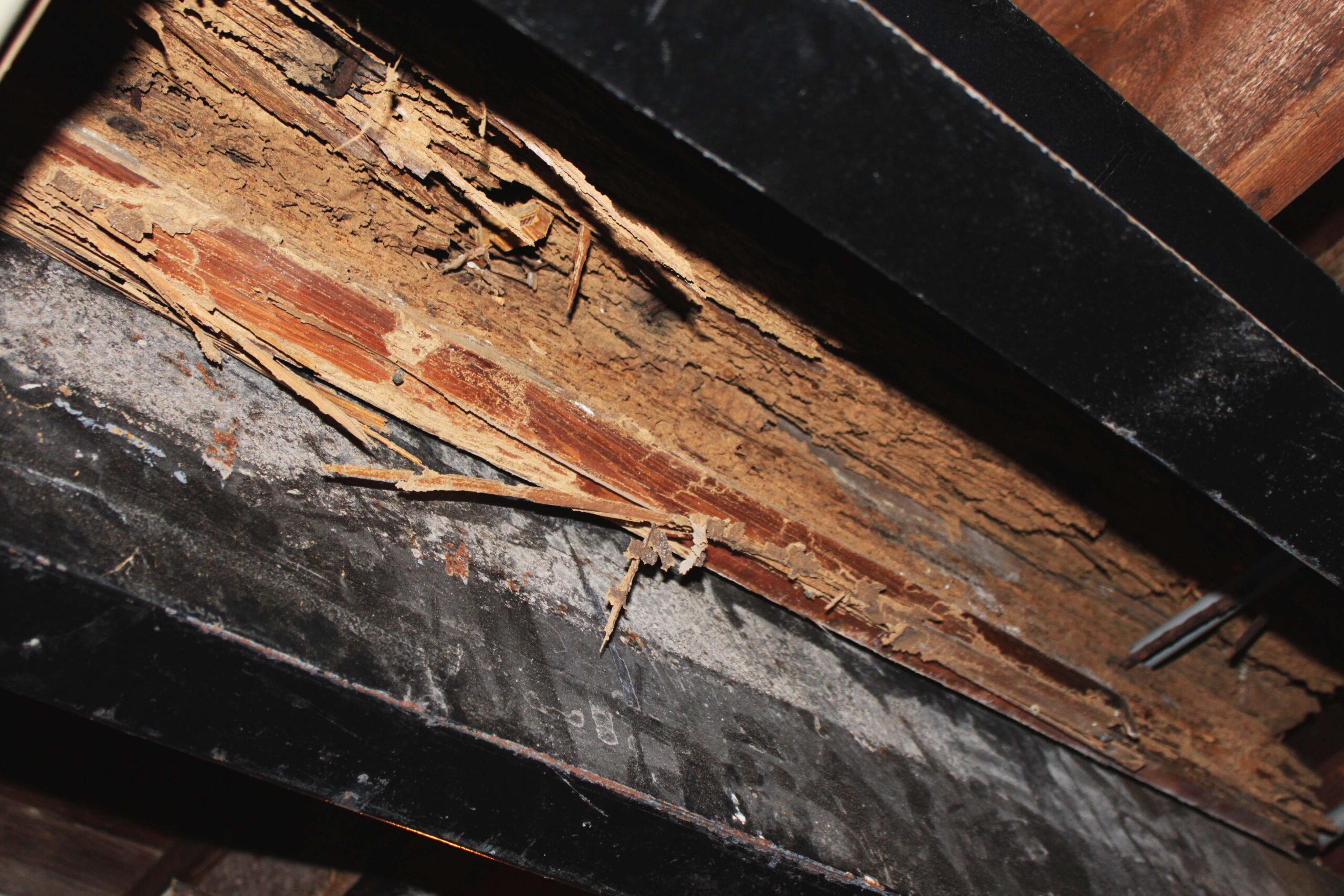
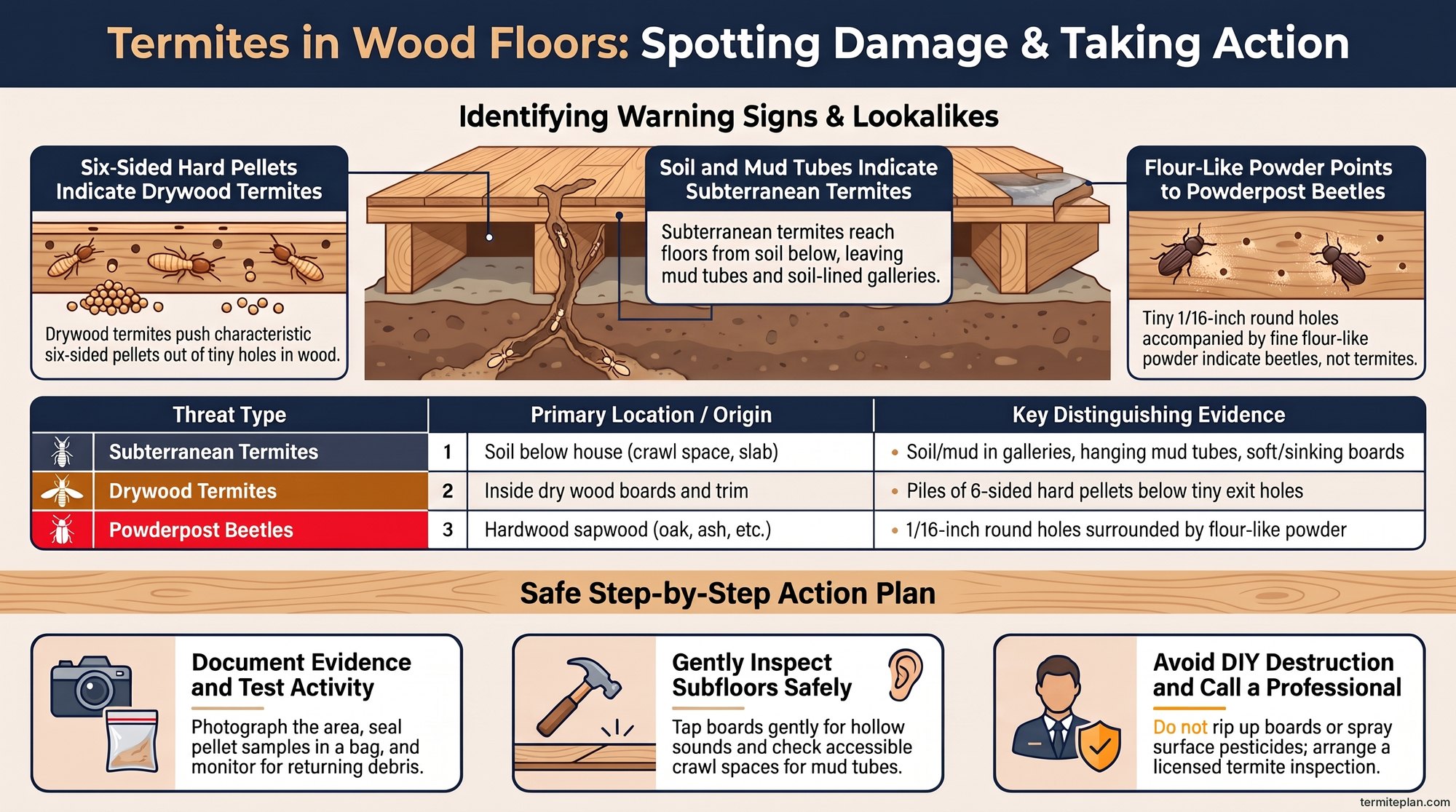
Subterranean termites usually reach a floor from below, through a crawl space, basement, or openings in a slab, and the finished surface may show little until damage beneath it is advanced. Drywood termites can live inside dry wood, including boards and trim, and push hard pellets out through tiny holes. Tiny round holes with flour-like powder in hardwood point more often to powderpost beetles, and swelling or warping near a leak is usually a moisture question first.
Photograph the clue, look at what you can safely see under the floor, and arrange a licensed termite inspection if you find mud tubes, live termites, pellets that keep returning after cleaning, or wood that is soft, hollow, or sinking. Do not pull up boards or spray the floor to find out.
Need a whole-house walk-through instead? Use the termite inspection checklist. This guide focuses on interpreting a clue found in or under a floor.
What You Might Notice on the Floor
None of these clues identifies termites by itself. Each one tells you what to look at next.
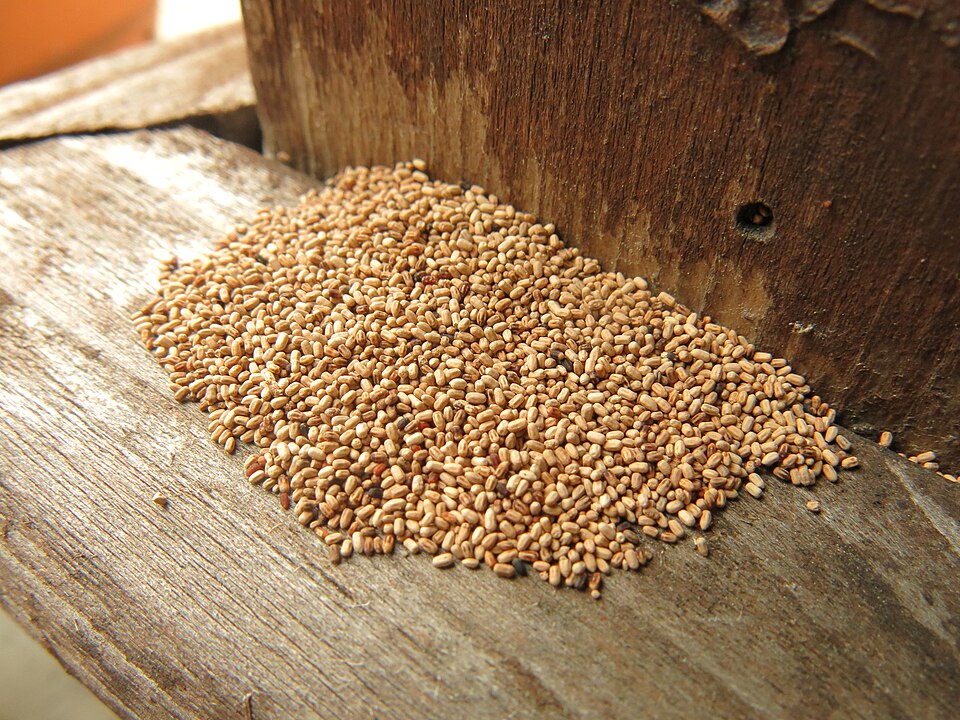
Small hard pellets
Tiny grains collecting on the floor below a board edge, baseboard, or trim. Where drywood termites occur, they push fecal pellets out of infested wood; UC IPM notes that their six-sided shape is characteristic. Compare them in our droppings vs. frass guide.
Tiny holes with fine powder
Round holes about 1/16 inch across with flour-like powder around them, usually in hardwood, are the typical sign of powderpost beetles, not termites, according to Mississippi State University Extension.
Soft, hollow, or sinking spots
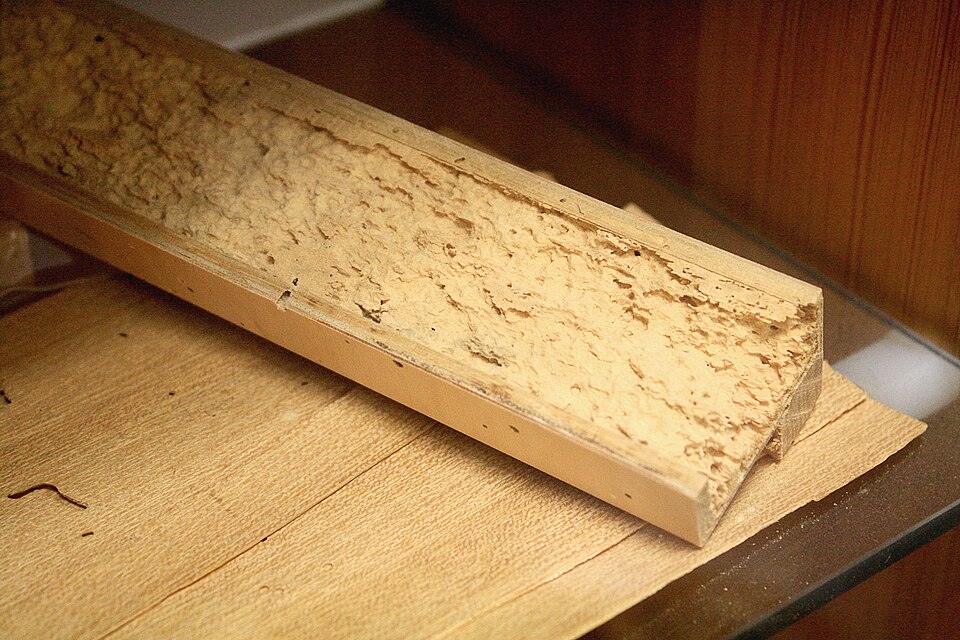
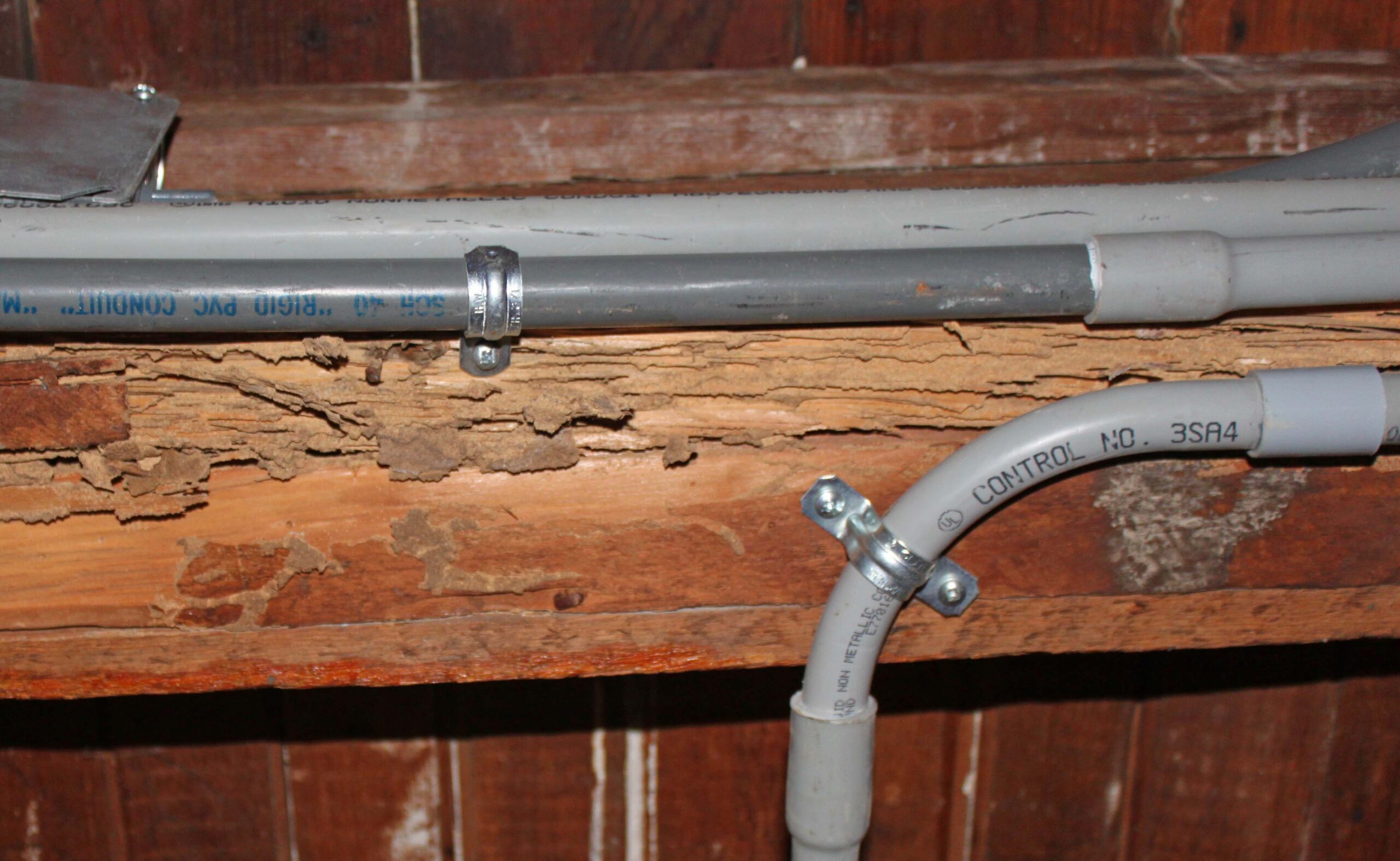
Wood that sounds dull when tapped or gives when pressed may have hidden damage in the boards or the subfloor beneath. Texas A&M AgriLife notes that decay from moisture can be mistaken for termite damage.
Raised or split floor covering
Texas A&M lists raised or split areas in floor coverings among the things to check. They can come from moisture, from damage below, or from both, so look for a water source as well as insects.
Wings or winged insects at the floor edge
Swarmers or shed wings along the edges of floors and on windowsills are a telltale sign of termites, according to University of Kentucky Entomology. Confirm they are not flying ants with our flying ants vs. termites guide.
Soil or mud where it shouldn’t be
Dirt-like material in a gap at the floor-wall joint, around a pipe, or inside damaged wood deserves a closer look. Subterranean termites line their galleries and tubes with soil; Kentucky Entomology describes hollowed wood with soil in the galleries as a sign of infestation.
Check What Is Under the Floor
Because subterranean termites usually come from the soil, the most useful information is often beneath the floor rather than on it. What you can check depends on how the house is built.
- Crawl space or basement below: From a safe position, look at the underside of the subfloor, the floor joists, the sill on top of the foundation, and any piers or posts. NC State Extension notes that mud tubes can hang from subflooring and run along floor joists. Our crawl space guide and basement guide cover what to look for there.
- Slab foundation: There is no space to look into from below. Texas A&M recommends examining cracks and expansion joints in the foundation, places where plumbing and utility lines pass through the floor, and the bath trap area if an access panel exists. The slab foundation guide explains these routes.
- Upper floor: A clue on a second-story floor is less likely to come straight from the soil. Look for nearby moisture, such as a leaking bathroom fixture, and for pellets that could point to drywood termites.
Only look where you can reach and stand safely. Skip any crawl space with standing water, exposed wiring, sharp debris, or a sagging floor above it, and tell the inspector which areas you could not see. If a floor feels springy, sunken, or unsafe to walk on, keep people off it and ask a qualified building professional to assess its strength as a separate question.
Termites, Powderpost Beetles, or Moisture?
Floors attract three different explanations that need different responses. This comparison helps you describe what you found; it does not replace identification.
→ Scroll the table sideways to see all columns.
| Clue | Subterranean termites | Drywood termites | Powderpost beetles | Moisture or decay |
|---|---|---|---|---|
| Where it starts | Soil below the house, reaching wood through a crawl space, basement, or slab openings | Inside dry wood; no soil contact needed | Sapwood of hardwoods such as oak, ash, hickory, and pecan, often infested before the floor was sealed | A leak, high humidity, or water under the floor |
| Debris | Soil or mud in tubes and galleries; no pellet piles | Hard pellets collecting below an opening | Very fine, flour-like powder | None; staining or musty smell is common |
| Holes | Usually none visible from above | Tiny kick-out holes, under 2 mm | Round exit holes about 1/16 inch | None |
| What the floor shows | Often little until boards soften or sink over damaged framing | Damage inside individual boards or trim | Holes on the surface of hardwood boards | Swelling, warping, softening, or staining near the water source |
| Typical next step | Licensed termite inspection | Licensed inspection; a professional decides between local and whole-structure treatment | Often no treatment for a light infestation; keep the floor sealed and dry | Find and fix the water source; check for insects separately |
Sources: UC IPM (drywood termites), Mississippi State University Extension (powderpost beetles in hardwood floors), Texas A&M AgriLife and NC State Extension (subterranean termites). More than one problem can exist in the same floor.
If it looks like powderpost beetles
Mississippi State University Extension explains that flooring is kiln-dried, which kills insects present at that point, but boards can be infested later while stored, shipped, or installed before they are sealed. Because the life cycle can take one to four years, new holes may keep appearing for several years even when no new eggs are being laid. For a light infestation, the extension service suggests keeping the floor finished and moisture low and filling new holes; heavily damaged boards can be replaced and the floor refinished. It describes fumigation as a costly last resort that is generally unnecessary for floor-only infestations. Our termites vs. carpenter ants vs. wood-boring beetles guide compares the lookalikes in more detail.
If it looks like moisture
Fix the water source first, whether it is a plumbing leak, a dishwasher or tub seal, condensation in a crawl space, or water running toward the foundation. Moisture does not prove termites, but it does make a floor more attractive to them, so keep watching for distinct insect evidence. The termite damage vs. water damage guide compares the two patterns, and the bathroom guide covers soft floors around tubs and toilets.
Hardwood, Laminate, Engineered, and Other Floors
Termites feed on cellulose. NC State Extension notes that subterranean termites will feed on nearly any cellulose material, including wood paneling and the paper facing of drywall, and may tunnel through plastic and foam on the way to food. Solid hardwood, plywood and OSB subfloors, and the wood-based layers inside engineered and many laminate floors are all potential food.
Tile, vinyl, and concrete are not food, but they do not protect the wood around and beneath them. Termites can still reach a wood subfloor, baseboards, or door trim next to a tiled area. A floor’s surface material does not rule termites in or out; what lies beneath it and where the clue appears matter more.
How to Check a Floor Without Making It Worse
- Photograph first. Take one wide shot that shows the room and the spot, then a close-up with a coin or ruler for scale if it will not disturb anything.
- Test pellets for new activity. Collect a small sample in a sealed bag for identification, then clean up the pile and note the date. UC IPM suggests checking whether new pellets appear in the same place a few days later; pellets alone do not show how far an infestation extends.
- Tap and press gently. Listen for a dull, hollow sound and feel for give. Texas A&M advises probing carefully so finished wood is not damaged; do not drive a screwdriver through a finished floor.
- Look underneath if you safely can. Check the crawl space or basement directly below the spot for tubes, soil-lined galleries, or damp wood.
- Look for water nearby. Note plumbing, appliances, exterior doors, and any history of leaks near the area.
- Write down what changed and when. A spot that is getting softer, or pellets that keep returning, is more useful information than a single snapshot.
Do not lift boards, cut into the subfloor, or spray the floor surface to find out what is there. A surface spray does not reach insects inside boards or under the subfloor, and disturbing the area can destroy the evidence an inspector needs. Pesticides used for termites carry label limits on where and how they can be applied.
When to Call a Professional
- Mud tubes on joists, the subfloor, piers, or the foundation
- Live termites in floorboards, trim, or framing
- Pellets that return after cleaning
- Swarmers emerging indoors, or many wings along floor edges
- Soft, sunken, or sagging areas, especially over a crawl space or basement
- Any termite question tied to a home sale, refinance, or termite bond
A licensed termite inspector can identify the insect and its route. A qualified building professional should judge whether a damaged floor is still structurally sound. Our professional termite inspection guide explains what a visit can and cannot establish.
Your Next Step
If you found pellets, photograph them, keep a sample, clean up, and check for new ones. If you found tiny holes with fine powder in hardwood, read up on powderpost beetles before paying for termite treatment. If the floor is soft or stained near water, fix the leak first and keep watching. If you found mud tubes, live termites, or swarmers, or the floor feels unsafe, arrange a licensed inspection and leave the evidence in place.
For other places termite clues turn up, see termite guides by location.
Sources
- Mississippi State University Extension, “Powderpost Beetles in Hardwood Floors” — how flooring becomes infested, hole size and powder, life cycle, and options by severity.
- UC IPM, Pest Notes: Drywood Termites (Publication 7440) — fecal pellets, kick-out holes, checking for new activity, and local versus whole-structure treatment; updated August 2014.
- University of Kentucky Entomology, “Protecting Your Home from Termites” (ENTFACT-605) — swarmers along floor edges, soil-lined galleries, and moisture control; revised July 2018.
- Texas A&M AgriLife Extension, “Subterranean Termites” (E-368) — checking floor coverings and hardwood flooring, hidden damage, slab entry points, and decay lookalikes.
- NC State Extension, “Monitoring and Management of Eastern Subterranean Termites” — mud tubes on subflooring and joists, cellulose materials termites feed on; published January 2025.
- U.S. EPA, “Termites: How to Identify and Control Them” — identification and professional treatment decisions.