Treatment guide
Termite Treatment for a Crawl Space: What Actually Works
A crawl space changes how termites are treated more than it changes whether they can get in. Unlike a slab, a crawl space usually gives a technician direct access to the soil, piers, and framing under your house — but that same open, low-clearance, often damp environment shapes which methods are practical and which ones are not. If you have found a possible termite sign under your house or the inspection checklist flagged the crawl space, this guide explains how treatment approaches actually apply there.
This guide mainly covers subterranean termites, the type most closely associated with soil and crawl-space foundations. Drywood termite infestations require a different treatment approach.
Short Answer
Common professional options for a crawl-space home include a soil termiticide applied around support piers and accessible foundation walls, perimeter bait stations, or a plan that uses both where appropriate. Foam and borate treatments may be added for specific accessible areas, but they are supplemental rather than substitutes for a complete treatment plan. EPA advises that termiticide work usually requires a trained pest-management professional, and state licensing requirements also apply.
Choose Your Next Step
- You found mud tubes, live termites, swarmers, or damaged structural wood: arrange a professional termite inspection before choosing a treatment.
- You found moisture or exposed soil but no termite evidence: fix leaks or drainage problems first. Don’t use a spot treatment simply because the crawl space looks termite-prone; preventive treatment is a separate decision based on risk, treatment history, product labeling, and professional advice.
- You are comparing treatment proposals: ask each company which areas it will treat, whether the plan uses liquid treatment, baiting, or both, and what inspection, monitoring, warranty, and renewal terms are included.
- Your crawl-space treatment is already complete: use the termite treatment follow-up guide to document changes, follow the service schedule, and know when to contact the company again.
Why a Crawl Space Is Different
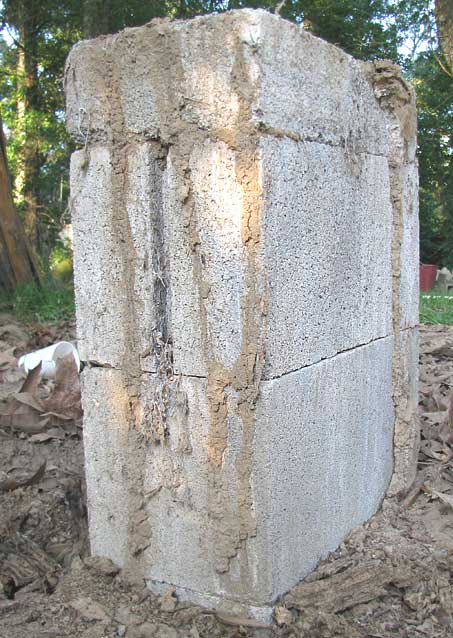
With a slab, entry points are hidden under concrete. With a crawl space, a technician can usually get underneath the house and see the piers, sill plates, band boards, and floor joists directly — which is part of why crawl-space treatment tends to look different from slab treatment rather than harder. Extension guidance recommends keeping at least 18 inches of clearance between wood framing and soil in standard-risk areas (more in high-risk areas), specifically so there is room to inspect and treat.
The trade-off is access and conditions, not visibility: a crawl space is low, often poorly ventilated, and prone to moisture, and all three factors affect what a treatment plan looks like and how well it holds up over time.
Where Treatment Actually Needs to Reach
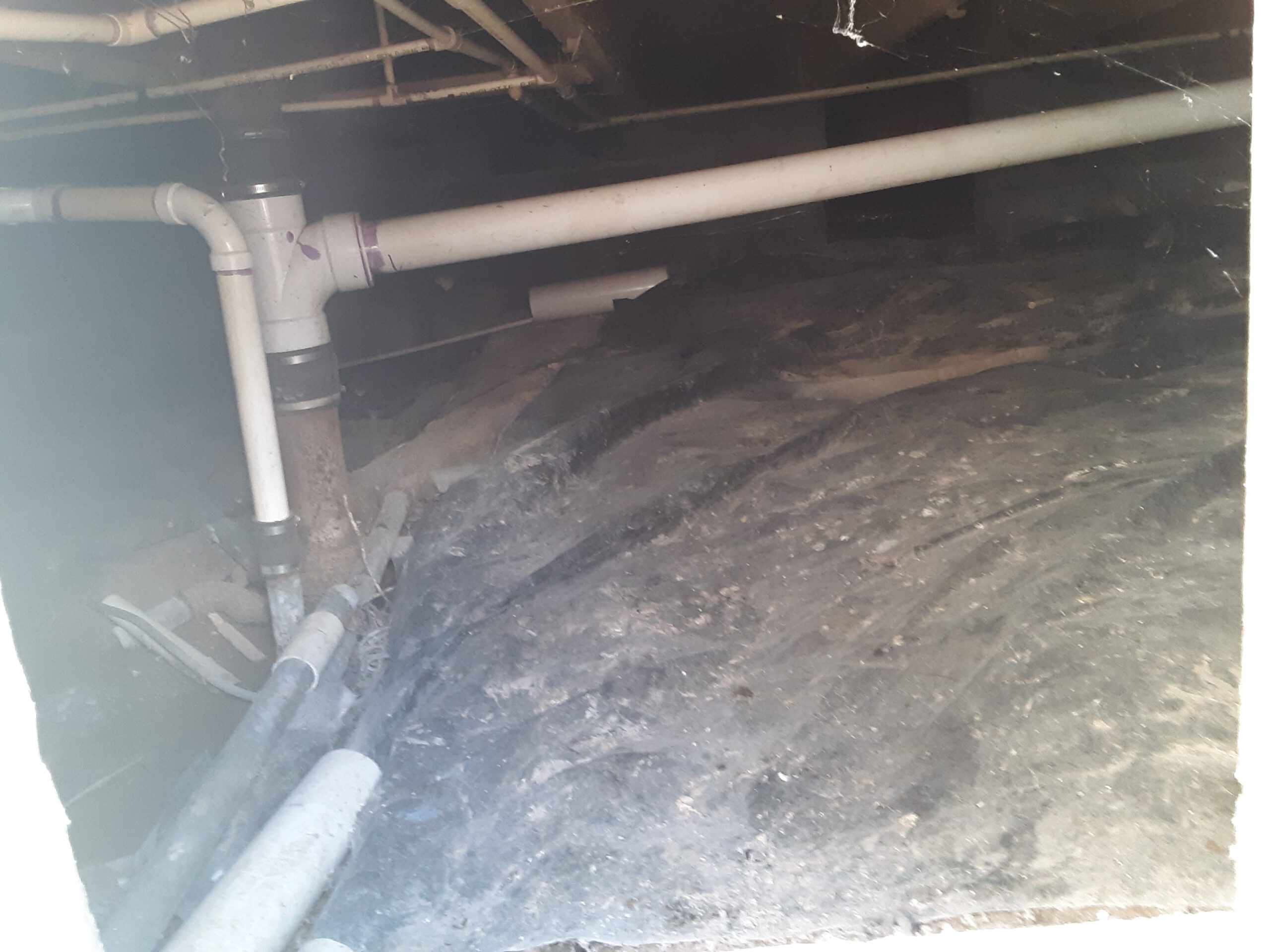
State pest-control guidance treats crawl-space soil treatment as a distinct case from slab treatment, not a smaller version of it. For a crawl space, a technician trenches and treats the soil around the support piers and, where needed, along the interior foundation walls — a different procedure, with different treatment volumes, than treating soil under and around a poured slab. In practice this means the technician works from inside the crawl space itself, not only around the home’s exterior perimeter.
Very low or inaccessible crawl spaces are a separate treatment situation: access limitations can change how the labeled treatment is performed and may require additional preparation or alternative application methods.
Your Realistic Treatment Options
Below is how the main methods typically apply in a crawl space specifically. For how each method works in general, see our treatment types compared guide and bait stations vs. liquid treatment.
→ Scroll the table sideways to see all columns.
| Approach | How it applies in a crawl space | When it fits / what it depends on |
|---|---|---|
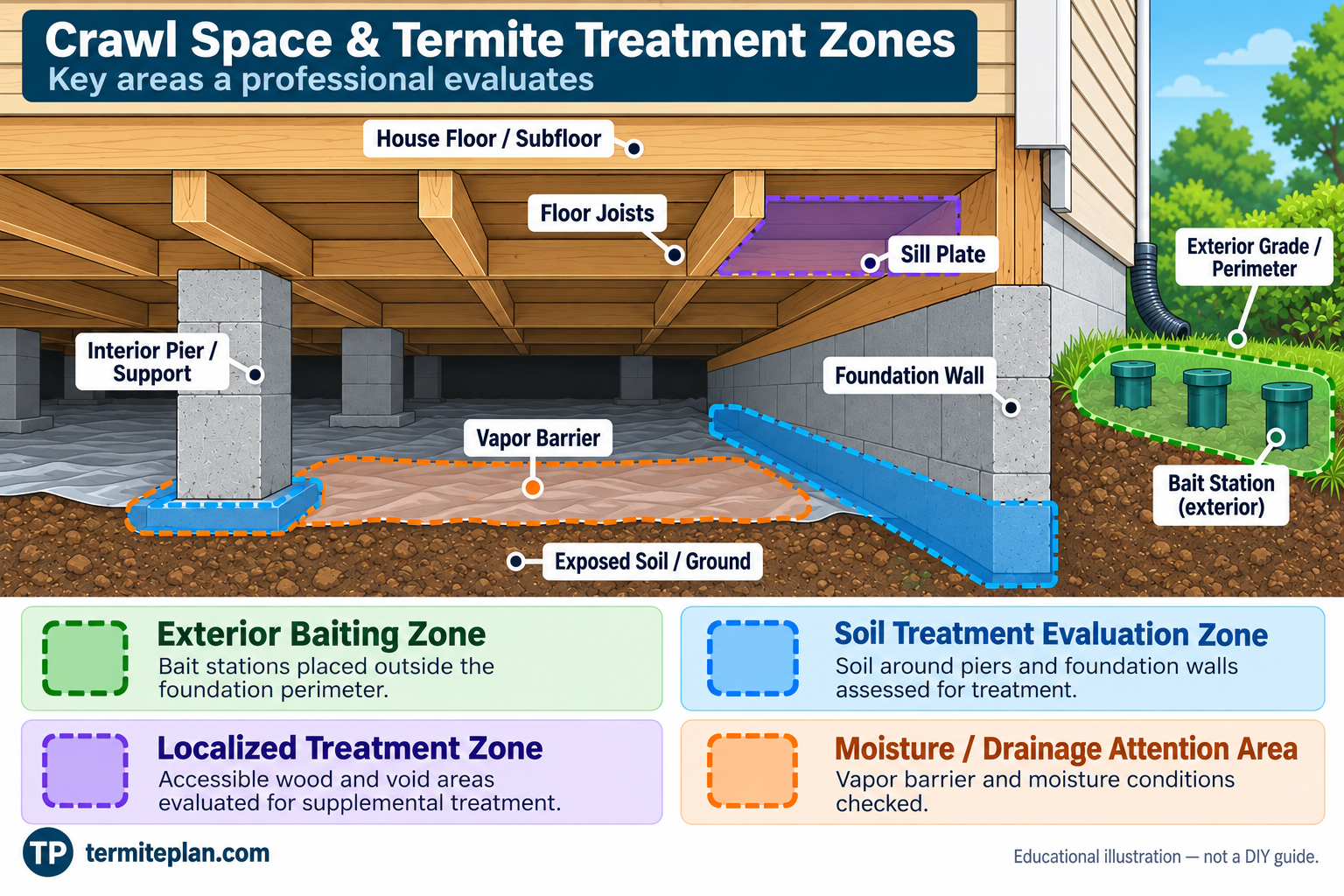
| Soil-applied liquid termiticide | Trenched around foundation piers and along accessible interior foundation walls | Common primary approach where the crawl space allows access; product and application are governed by the label and state rules |
| Perimeter bait stations | Installed around the exterior perimeter rather than inside the crawl space itself | Extension guidance specifically notes baits as a fit where crawl-space or other access is difficult; requires ongoing monitoring by the provider |
| Localized foam treatment | Injected into accessible wall or framing voids, such as around a sill plate or band board | A supplemental option for voids liquid treatment can’t easily reach — not a stand-alone or crawl-space-specific primary method |
| Borate treatment of exposed wood | Applied to accessible framing as added protection | Supplemental wood treatment; it should not be assumed to replace a complete subterranean-termite treatment plan. Permitted uses depend on the product label and applicable state rules. |
Which combination fits your home is a judgment call for a qualified pest-control professional, based on the specific construction, access, and evidence — not a universal rule.
Moisture, Vapor Barriers, and Encapsulation
Moisture is treated as a “conducive condition” in extension guidance — it increases termite risk and, notably, excess water at the treated zone can leach, break down, or wash away soil termiticide over time. That makes moisture control relevant to how well a treatment holds up, not just to comfort or mold.
A ground vapor retarder can be one part of a crawl-space moisture strategy, along with fixing leaks and managing drainage. It is important to be precise about what it does: a vapor barrier, dehumidifier, or full encapsulation helps manage moisture but does not treat an active termite infestation. If your crawl space is already encapsulated, mention that when you contact a pest-control professional because the membrane can affect inspection and treatment access. The right moisture design also depends on the home’s construction, climate, and local building requirements.
What Affects the Cost
Crawl-space treatment is priced by the specifics of the job, not a flat rate: the linear footage of piers and foundation walls needing treatment, how easy the crawl space is to access, whether supplemental foam or borate work is included, and whether the plan includes a warranty or ongoing monitoring (relevant if baiting is used). For how termite pricing works in general, see our termite treatment cost guide.
The Limits of Doing This Yourself
It’s worth being direct about where the line usually falls. EPA says termiticide applications can usually be performed properly only by a trained pest-management professional. Professional termite services are regulated at the state level, while homeowner-use restrictions depend on state rules and the individual pesticide label. Bait systems also depend on correct placement and continued monitoring. Working with pesticides in a low, damp crawl space adds safety and access concerns beyond the termite problem itself.
Some borate wood treatments may be labeled for accessible framing, but the exact product label and state rules determine where and by whom they may be applied. Borates should be treated as supplemental protection, not proof that an active infestation has been controlled. If you already have evidence of activity, have a qualified pest-control professional determine its extent before relying on any product application. If your main clue is damaged wood rather than mud tubes, our guide comparing termite damage and water damage can help you read it first.
When This Is a Professional Situation
Get a professional termite inspection — not a DIY attempt — if any of these apply:
- mud tubes on piers, foundation walls, or the sill plate;
- swarmers or live termites seen in or near the crawl space;
- damage that may involve structural or load-bearing framing;
- a crawl space that is encapsulated, very low-clearance, or otherwise hard to inspect yourself;
- standing water, heavy condensation, or visible rot in the crawl space alongside possible termite signs;
- a home sale, inspection, or refinance deadline.
An inspection is what actually settles what you’re dealing with and how far it extends — a DIY product application on its own does not. If you want to be ready for that call, our questions to ask a termite company guide helps you hire well without overpaying.
Prevention and Reducing Future Risk
If there’s no active evidence yet, focus on reducing conditions termites can exploit rather than treating a problem that has not been confirmed. Maintain wood-to-soil clearance, manage grading and drainage so water moves away from the foundation, repair leaks, keep the crawl space’s intended ventilation or conditioning system working, and consider a ground vapor barrier as part of an appropriate moisture-control plan. These are prevention and construction measures, separate from treating an existing infestation.
The Bottom Line
A crawl space gives a technician more direct access than a slab, but moisture, clearance, foundation details, and existing evidence still determine which treatment fits. Soil treatment around piers and foundation walls and exterior bait stations are common professional options; foam and borate treatments may play supplemental roles in specific accessible areas. Start by confirming the sign and its activity with our mud tubes vs. old damage guide or the termite inspection checklist, then use our decision guide to choose the next step. If you’re weighing doing it yourself against hiring out, DIY vs. professional explains where the practical line usually falls.
Sources
- US EPA: Termites — How to Identify and Control Them
- Mississippi State University Extension: Methods of Termite Control
- Mississippi State University Extension: Protect Your House from Termites
- NC State Extension: Termite Prevention — Approaches for New Construction
- North Carolina Department of Agriculture: Pre-Construction Subterranean Termite Control
- Purdue University Extension Entomology (E-4): Termite Control
- University of Kentucky Entomology (EF639): Termite Baits — A Guide for Homeowners
- Building America Solution Center (U.S. DOE / PNNL): Termite-Resistant Foundations and Walls
For how we evaluate evidence and recommendations, see our Methodology.