
Termite Heat Treatment: How It Works, What It Kills, and Its Limits
Short Answer
Termite heat treatment is a nonchemical, professional treatment for drywood termites. Heaters, ducts, and fans raise the temperature until the wood itself is hot enough to kill the termites inside. University of California IPM says all wood in the structure must reach at least 120°F and stay there for at least 33 minutes, measured in the core of the infested wood, not just in the air.
Heat needs hours away from home instead of the days that fumigation takes, and it leaves no chemical residue. It also has real limits: it does not control subterranean termites in the soil, it leaves no protection against new termites, and hard-to-heat spots such as wood on concrete or tile can let termites survive.
How Heat Treatment Works
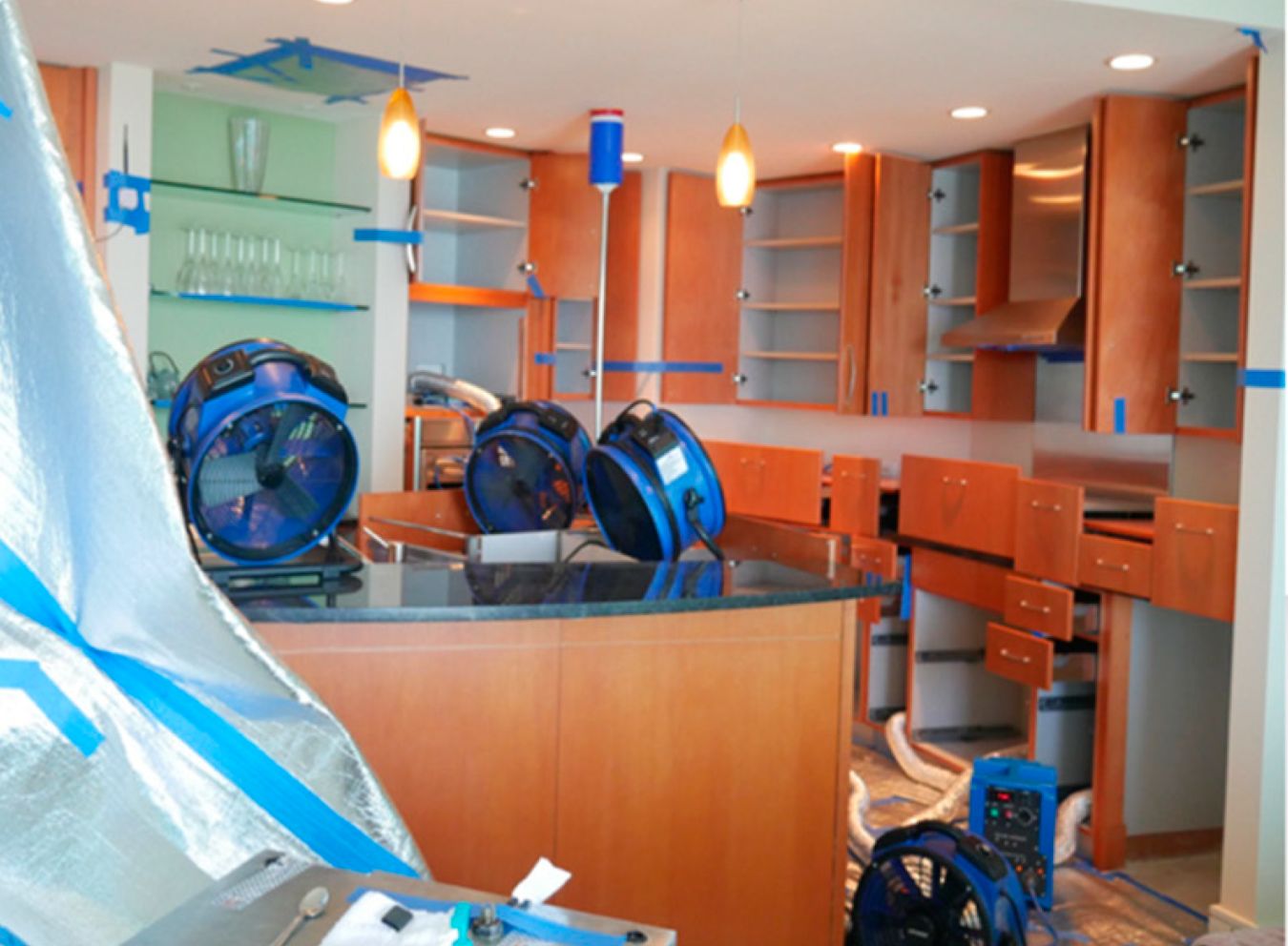
The company seals the treatment area, then blows heated air into it through flexible ducts while fans keep the air moving. In a California Structural Pest Control Board fact sheet, the house is covered with tarps and hot air is blown in until the inside temperature reaches 140° to 150°F. Some jobs treat only part of a building, such as one apartment or condominium unit, which UC IPM lists as an advantage of heat.
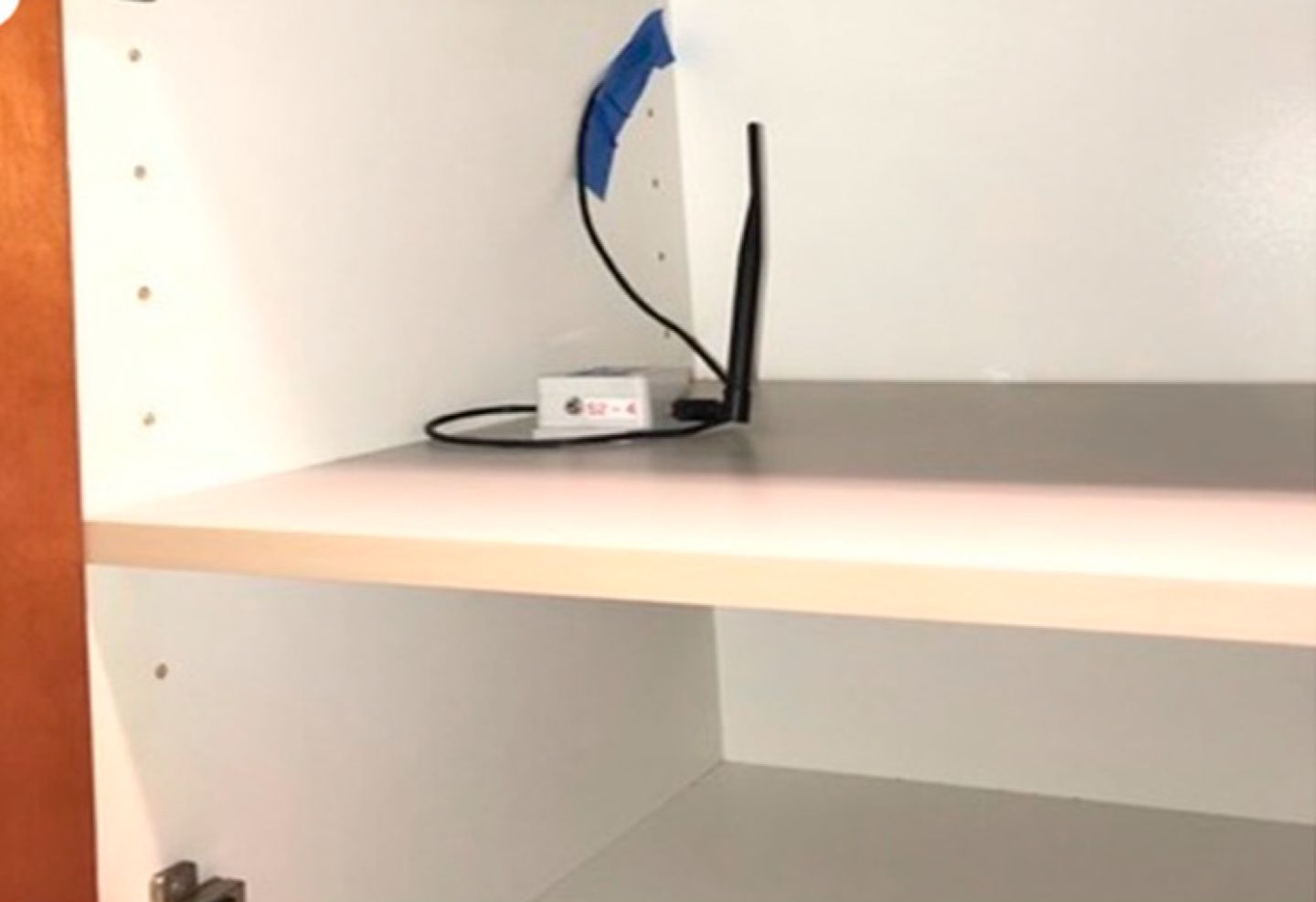
Air temperature is only the means. What matters is the temperature inside the wood where the termites live. Crews drill into selected framing, cabinets, or furniture and insert core temperature probes, then keep heating until the readings stay above the target for long enough. Researchers who tested heat in Honolulu condominiums note that, depending on the building, the infestation, and the outdoor temperature, reaching and holding the target can take from one or two hours to a few days.
What Temperature Kills Termites?
Several figures circulate, and they measure different things. Ask the company which one its plan is built on.
Scroll the table sideways to see every column.
| Figure | What it measures | Source |
|---|---|---|
| At least 120°F held for at least 33 minutes | Wood temperature: all wood in the structure, including the core of infested wood | UC IPM Pest Notes: Drywood Termites |
| 140° to 150°F | Air temperature inside the tarped house | California Structural Pest Control Board fact sheet |
| About 49°C (about 120°F) | The lethal temperature heat treatments aim for | Tay and James, 2021 |
| Above 46°C or 50°C (about 115°F or 122°F) for 120 minutes | Sensor targets used in a field study, including in hard-to-heat spots | Tay and James, 2021 |
A hot room does not guarantee hot wood. Thick beams, insulated walls, and wood that rests on concrete or tile warm slowly, which is why core readings matter.
What Heat Treatment Can and Cannot Do
Drywood termites: yes
Drywood colonies live inside the wood they eat, so heating that wood reaches them. NPIC calls heat the only whole-structure alternative to fumigation. See our drywood termite guide.
Subterranean termites: no
Subterranean colonies live in or near the soil, out of reach of heat or fumigation. UC IPM says these methods cannot control them; soil treatments and baits are used instead. See subterranean termites.
Whole house or one unit
Heat can treat a whole structure or a section of it, such as one condominium unit, and UC IPM notes it is also used for smaller spot treatments.
No lasting protection
Like fumigation, heat leaves no residue, so it does not stop new drywood termites from flying in later. UC IPM notes that preventive products can be applied to treated areas.
Heat Sinks: Why Some Termites Survive
A heat sink is a spot that stays cooler than the rest of the treatment area. UC IPM points to wood on concrete or tile and the difficulty of heating the core of large structural beams, and says it remains unclear how well heaters clear large buildings with many layers of wall coverings. The 2021 field study adds insulation and the toe-kick voids under kitchen cabinets.
In that study, standard heat treatments had a callback (retreatment) rate of 33 percent, one of three condominiums. Units treated with an improved method, which included drilling into toe-kick voids, ducting hot air into them, and placing probes there, had no callbacks at six months. The study covered only five units, so treat it as a sign of where problems hide, not as a success rate you should expect.
Heat vs. Fumigation vs. Localized Treatment
Scroll the table sideways to see every column.
| Question | Whole-structure heat | Tent fumigation | Localized treatment |
|---|---|---|---|
| Reaches hidden infestations? | Yes, if every infested piece of wood gets hot enough | Yes, the gas reaches the whole structure | Only the boards or areas actually treated |
| Chemicals? | No | Yes, a fumigant gas | Often yes; some nonchemical spot methods exist |
| Time away from home | Hours | Several days | Varies with the method |
| Main weak point | Heat sinks, large beams, heat-sensitive items | Preparation and time out of the house | Infestations nobody found |
| Protection against new termites | None | None | Only where a residual product was applied |
Summarized from UC IPM and NPIC. For the details of each option, see termite fumigation, termite treatment without tenting, and termite treatment types compared.
Preparing Your Home for Heat Treatment
Follow the company’s written preparation list; it should match your home and its equipment. The research and extension sources point to the same kinds of items:
- Ask what to remove. The 2021 study lists aerosol cans, fire extinguishers, and adhesives as items to take out before heating.
- Ask how the crew will protect heat-sensitive items. UC IPM and the study mention plastics, electrical outlet covers, and cable wiring; candles, medicines, and electronics are worth asking about too.
- Clear and clean the area. The study notes that clutter and debris can insulate wood from the hot air, and cabinets and drawers are opened so air can reach inside.
- Ask about the roof and vents. UC IPM lists possible roof damage if crews walk on it, and the study says roof and wall vents should be sealed during heating.
- Plan for the day. Pets and people stay out for the whole treatment and until the company says the area has cooled.
Safety note: Structural heat treatment is professional work done with specialized heaters, sensors, and monitoring. Do not try to heat walls, rooms, or furniture yourself with space heaters or other devices; it will not reliably reach the wood core and can create a fire risk.
What Heat Treatment Costs
Heat is usually priced by the size of the area treated, and the 2021 study notes that heat treatment is generally more expensive than chemical treatment. Longer heating to reach difficult spots adds cost and time out of the home. For typical price ranges and how quotes are built, see termite treatment cost.
Questions to Ask Before You Choose Heat
- How did you confirm these are drywood termites, and how far does the infestation extend?
- Is this whole-structure heat or a spot treatment, and which rooms, attics, and structures are excluded?
- What wood core temperature will you reach, for how long, and how many probes will you use and where?
- Which heat sinks do you see here, such as large beams, wood on slab or tile, insulated walls, or cabinet toe-kicks, and how will you handle them?
- What do I need to remove or protect, and who pays if something is damaged?
- What does the warranty cover, when is the follow-up inspection, and what happens if pellets or swarmers appear again?
Our questions to ask a termite company and how to know if termite treatment worked cover the rest of the comparison.
Drywood termites are confirmed
Ask for heat and fumigation quotes side by side, compare which areas each covers, and choose the plan whose limits you understand. If activity is truly limited to one area, compare a localized option too.
You are not sure what you have
Mud tubes point to subterranean termites, which heat does not control. Hard pellets point to drywood termites. Get an inspection before choosing a method; see subterranean vs. drywood vs. dampwood.
Your Next Step
Confirm the termite type first. If it is drywood, ask every company you talk to for the target wood core temperature, the number and placement of probes, and how it will deal with heat sinks, then compare that written plan with a fumigation quote. For the full range of options, start with the termite treatment decision guide.
Common Questions
Does heat treatment kill termites?
It can kill drywood termites when the infested wood reaches a lethal temperature long enough; UC IPM gives at least 120°F for at least 33 minutes in all wood. It does not control subterranean termites living in the soil.
What temperature kills termites?
UC IPM’s figure for structural heat treatment is a wood temperature of at least 120°F held for at least 33 minutes. Air temperatures during treatment run higher, such as the 140° to 150°F described by the California Structural Pest Control Board.
How long do I have to leave the house?
Usually hours rather than the days fumigation requires, according to UC IPM. The exact time depends on the size of the area, the wood, and the weather; ask the company for its estimate.
Is heat treatment better than tenting?
Neither is better in every case. Heat avoids fumigant gas and shortens time away, but heat sinks can let termites survive. Fumigation reaches the whole structure but takes longer. Neither leaves lasting protection.
Can heat treatment damage my house?
It can damage heat-sensitive items such as plastics, outlet covers, and cable wiring, and UC IPM notes possible roof damage if crews walk on it. Ask how the company protects these items and who pays for damage.
Sources and Further Reading
- University of California IPM — Pest Notes: Drywood Termites, Publication 7440 (Lewis, Sutherland, and Haverty; updated 08/2014)
- University of California IPM — Pest Notes: Subterranean and Other Termites, Publication 7415
- National Pesticide Information Center — Structural Fumigation (updated 2025)
- California Structural Pest Control Board — Exterminating Termites fact sheet
- Tay and James — Field Demonstration of Heat Technology to Mitigate Heat Sinks for Drywood Termite Management, Insects 12(12):1090, 2021