
Independent termite decision guides
See the signs. Choose the right next step.
Found mud tubes, wings, or tiny pellets? Start with what you saw. We explain what it can and cannot mean, and when the honest answer is to call a professional.
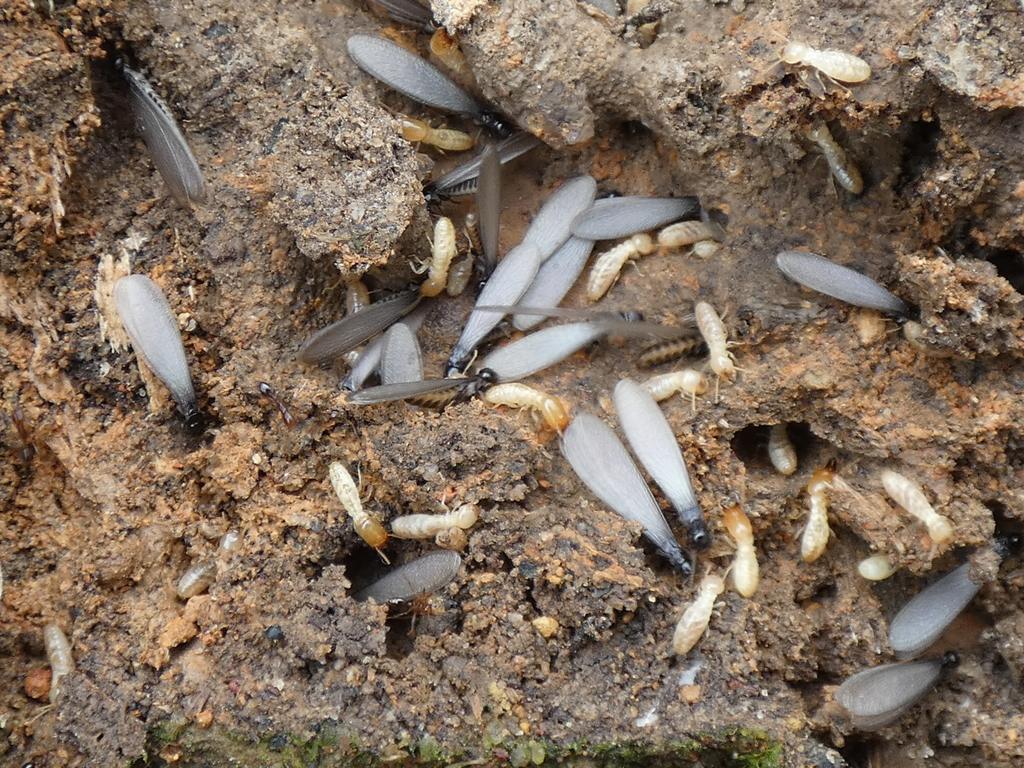
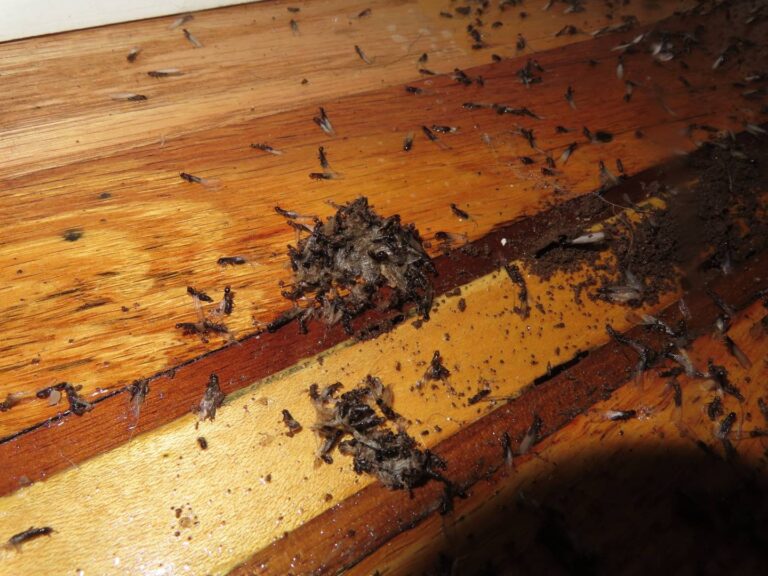
Swarming eastern subterranean termites, South Carolina. Photo: kcthetc1 / iNaturalist, CC0
Your first 10 minutes
- Don’t spray or scrape.Leave tubes, wings, and pellets where they are. Removing them does not stop a colony and erases evidence.
- Photograph and save a sample.Take a close-up with something for scale and keep a few insects, wings, or pellets in a sealed bag.
- If the signs point to termites, book an inspection.It is rarely an emergency, so take time to compare licensed companies.
Not sure what it is? The 3-question check below narrows it down.
Not sure what you found?
Check it in 3 taps
Answer three quick questions and get the most likely explanation and the next step. A quiz can narrow it down; only an inspection can confirm activity in your home.
This check is general information, not an inspection. Answers come from TermitePlan guides based on university extension and EPA sources.
Or browse by sign
What did you find?
Pick the closest match. Each guide explains what the sign can and cannot tell you; a photo alone cannot confirm activity in your home.
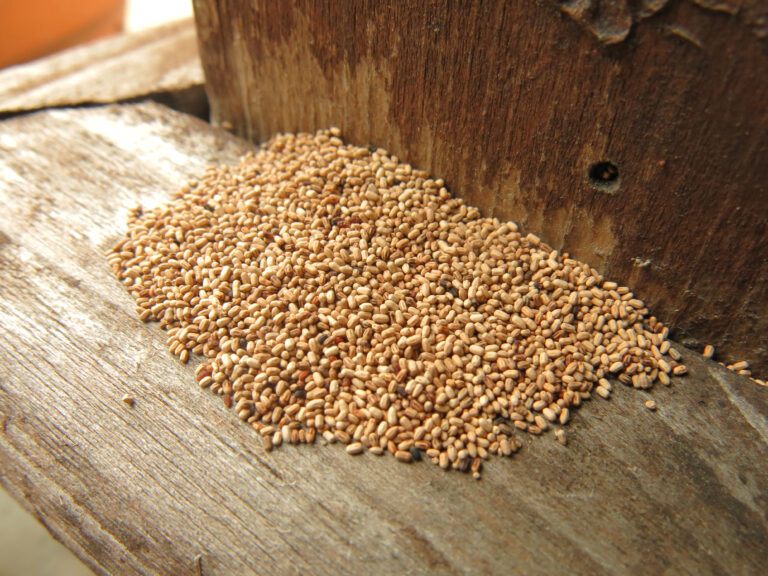 DroppingsPellets or frassHard, grain-like pellets piling up below wood, trim, or furniture.Compare droppings and frass →
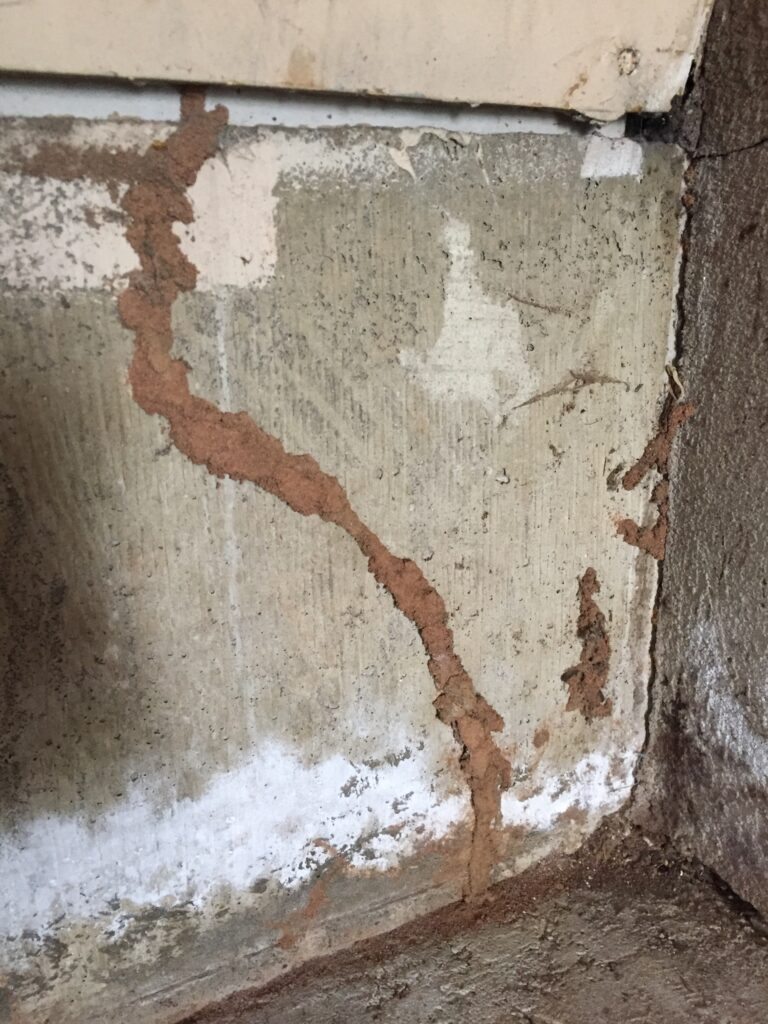 TubesMud tubesPencil-wide earthen tubes on a foundation, pier, or wall.Active or old? →
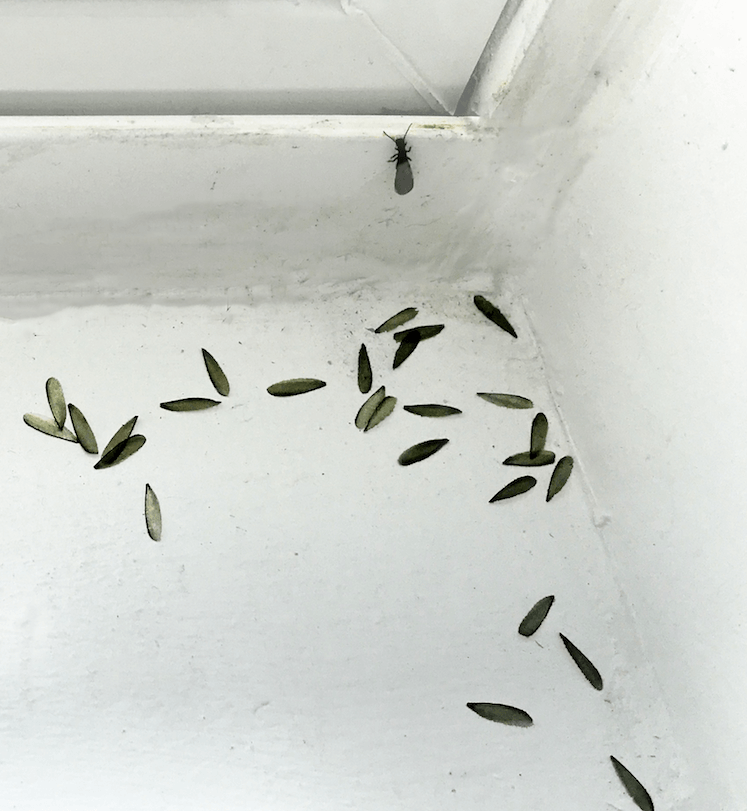 SwarmSwarmers or wingsWinged insects indoors, or piles of shed wings near a window.Swarmers inside the house →
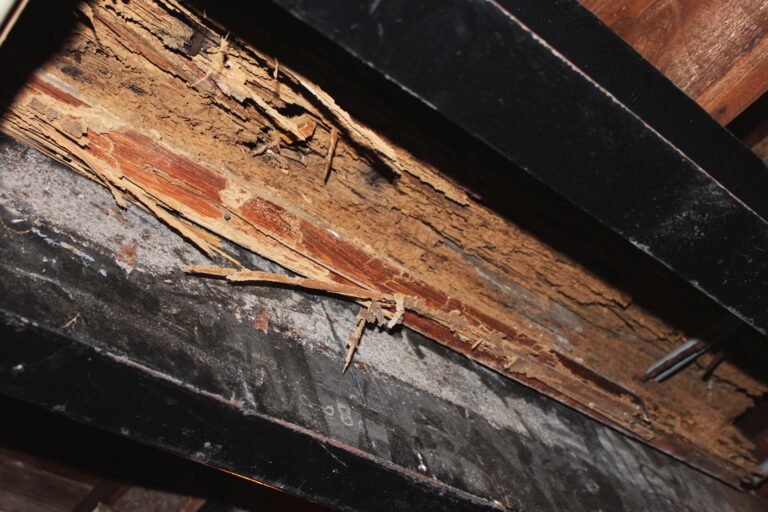 DamageDamaged woodWood hollowed along the grain, soft spots, or blistered paint.Termite or water damage? →
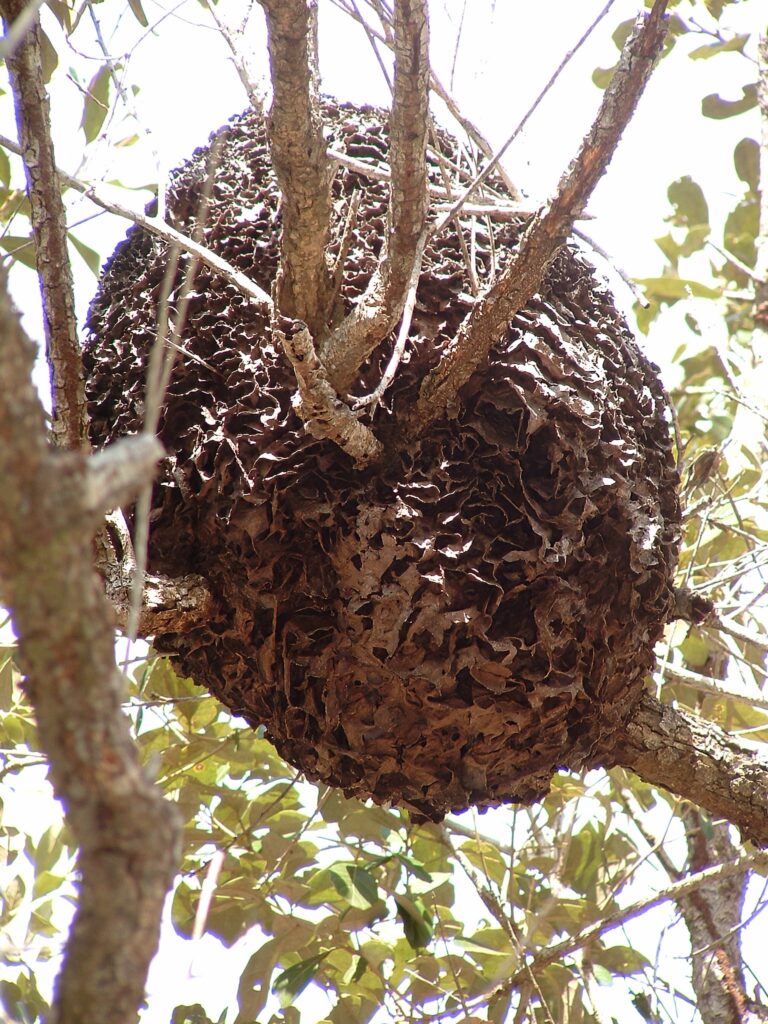 NestA nest or mud structureMost U.S. colonies stay hidden; many mud nests on walls are wasps.What a termite nest looks like →
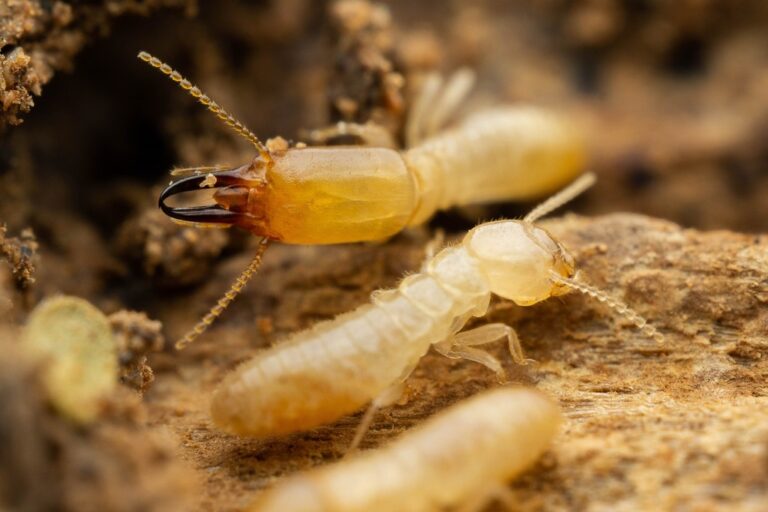 InsectsLive termitesPale, soft-bodied workers in wood or soil. Which type are they?Compare termite types →
Or browse by place
Where did you find them?
The place often tells you more than the insect: what to check first and who to call.
Your next steps, in order
Confirm what you found, then choose a treatment, then compare quotes.
New guides
The latest guides, each checked against extension and government sources.
Termites by state
Local species, swarm seasons, and the state rules for inspections and contracts.
Product guides. Compare bait stations, stakes, borates, and liquid termiticides by label and limits, and see when product shopping should stop.
Useful guidance has to show its work
We do not claim hands-on testing we have not done. We organize verifiable information so homeowners can understand the tradeoffs.
Label first
Registered uses and restrictions come before marketing claims.
Situation first
We show where an option fits and where it does not.
Safety first
When evidence points beyond responsible DIY, we direct you to a licensed inspection.
Sources you can check
Every guide lists its extension, EPA, or state sources, and every photo names its author and license.
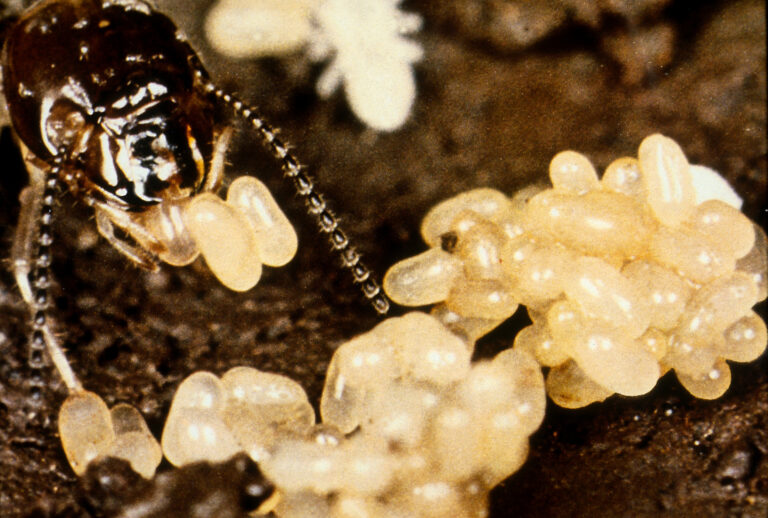
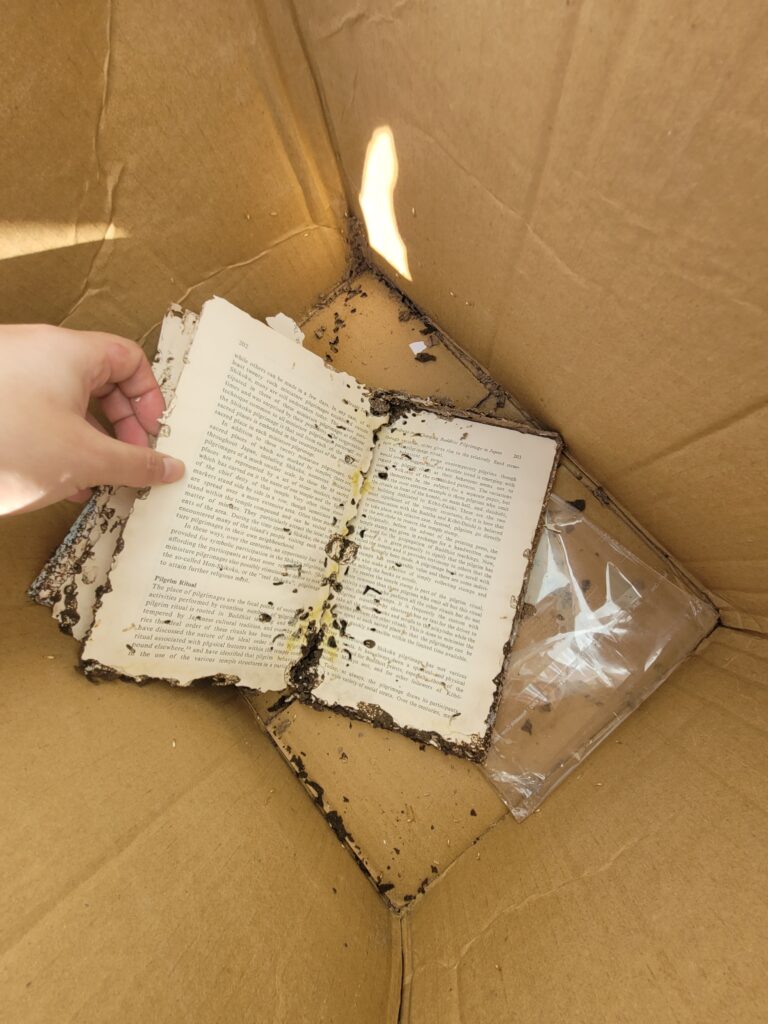
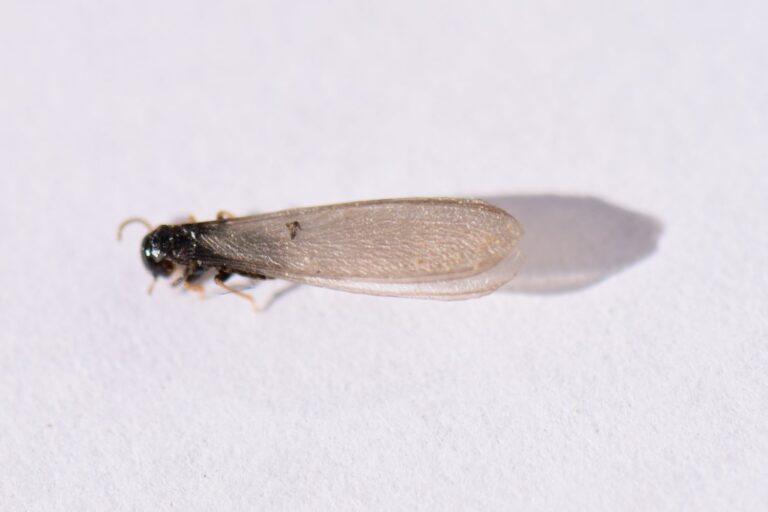
Photo credits. Swarm: kcthetc1 / iNaturalist, CC0. Pellets: Sanjay Acharya / Wikimedia Commons, CC BY-SA 3.0. Mud tubes: Michael K. Oliver / iNaturalist, CC BY 4.0. Wings on a sill: RCraig09 / Wikimedia Commons, CC BY-SA 4.0. Damaged joist: NPS Staff, Cumberland Island National Seashore / NPGallery, public domain. Conehead nest (Belize): ImagePerson / Wikimedia Commons, CC BY 4.0. Workers and soldier: Jake Nitta / iNaturalist, CC BY 4.0. Pennsylvania swarmers and shed wings: Mila C. / iNaturalist, CC BY 4.0. Black termite swarmer: PumpkinSky / Wikimedia Commons, CC BY-SA 4.0. Termite-damaged book: Opmar15 / Wikimedia Commons, CC BY-SA 4.0. Young queen with eggs: CSIRO / Wikimedia Commons, CC BY 3.0. Photos are cropped to fit the cards; full images and context are in each guide.